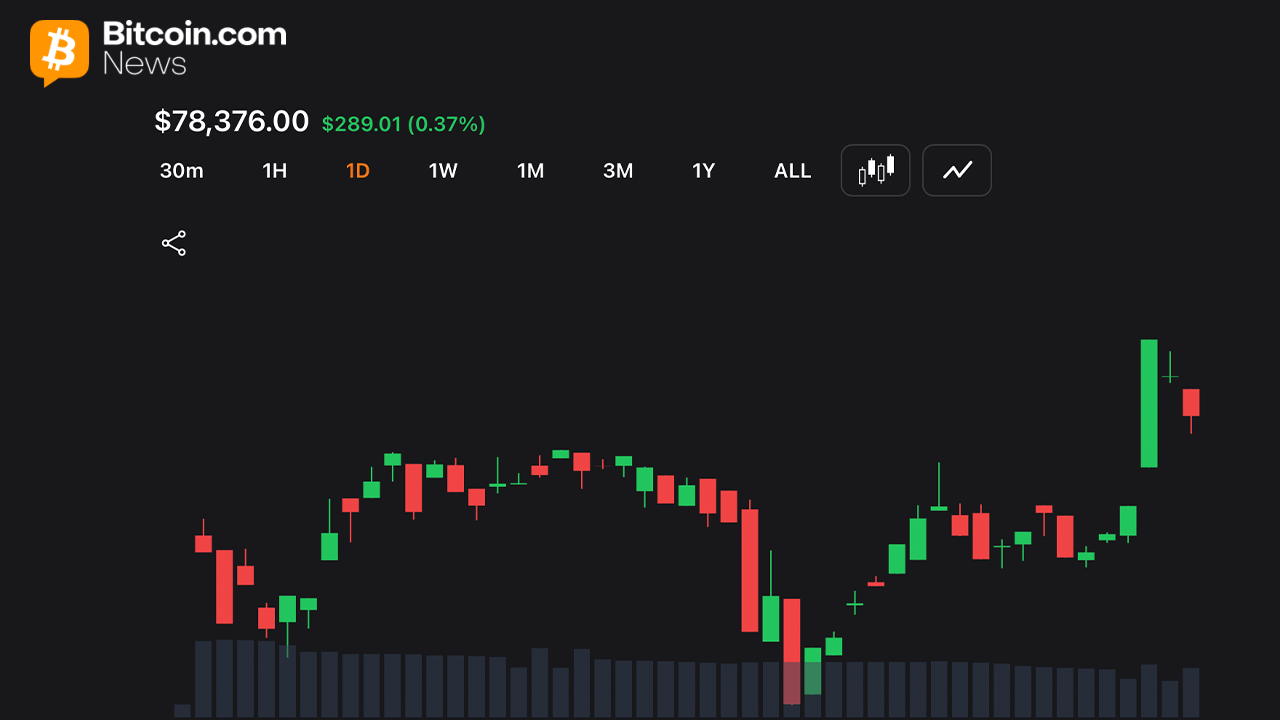
Bitcoin Price Analysis: BTC Holds $78,000 as Technical Indicators Signal Next Move
Bitcoin is currently stabilizing around a critical support level of $78,000 as institutional traders navigate a complex intersection of geopolitical volatility and macroeconomic uncertainty. This price consolidation reflects a broader struggle between bullish momentum indicators and systemic headwinds, forcing corporate treasuries to recalibrate their digital asset exposure for the coming fiscal quarters.
For the modern CFO, this volatility is not merely a chart pattern; it is a balance sheet liability. The swing from aggressive growth to support-level testing creates immediate friction in financial reporting and tax liability calculations. As firms move beyond speculative holdings toward integrated treasury strategies, the demand for corporate tax advisors specializing in digital assets has surged, as traditional accounting frameworks struggle to keep pace with the asset’s rapid price fluctuations.
The Mechanics of the $78,000 Floor
In the world of high-frequency trading and institutional custody, the $78,000 mark is more than a number—it is a psychological and technical boundary. When an asset holds a support level during a period of broader market distress, it suggests a “floor” established by institutional buy-orders. This indicates that large-scale players view the current valuation as a fair entry point, effectively absorbing the sell-side pressure generated by retail panic or geopolitical shocks.
The current price action suggests a period of accumulation. Traders are watching the interaction between moving averages and oscillators to determine if this support is a launchpad or a temporary plateau. If the asset fails to maintain this level, the risk of a deeper drawdown increases, potentially triggering a cascade of stop-loss orders that could push the price toward lower liquidity zones.
This instability creates a specific set of operational risks for B2B enterprises. Companies that have integrated Bitcoin into their payment rails or reserve assets must now implement more robust enterprise risk management software to hedge against sudden volatility that could impair their quarterly liquidity ratios.
Three Macro Drivers Shaping the Digital Asset Landscape
The struggle to maintain the $78,000 level does not happen in a vacuum. It is the result of several converging macroeconomic forces that are redefining the “digital gold” narrative.

- Treasury Yield Volatility: The inverse correlation between US Treasury yields and risk-on assets remains a dominant theme. When bond markets signal instability or yields spike, capital typically flows out of volatile assets like Bitcoin and back into the perceived safety of government debt. This “flight to quality” often erodes the support levels that technical analysts rely on.
- Energy Market Contagion: Geopolitical friction in energy-producing regions creates an inflationary impulse. While Bitcoin was originally envisioned as a hedge against inflation, the immediate reaction to energy shocks is often a contraction in liquidity. This creates a paradoxical environment where the long-term thesis is bullish, but the short-term price action is suppressed by the cost of capital.
- Institutional Liquidity Cycles: The transition from retail-driven speculation to institutional allocation means that Bitcoin is now subject to the same quarterly rebalancing cycles as any other S&P 500 component. As fund managers adjust their portfolios to meet capital adequacy requirements, the resulting flow of capital can create artificial support or resistance levels regardless of the underlying technology’s performance.
The bottom line is that Bitcoin is no longer an isolated experiment; it is a sensitive barometer for global liquidity.
The Institutional Pivot and the Compliance Gap
As the asset stabilizes, the conversation is shifting from “if” institutions will hold Bitcoin to “how” they will manage it. The gap between holding a private key and maintaining an audit-ready corporate ledger is vast. Many firms are discovering that their internal controls are insufficient for the rigorous demands of SEC-style reporting or international auditing standards.
This has led to a surge in the adoption of institutional-grade custody solutions. The shift away from “self-custody” toward regulated third-party providers is a necessary evolution for any firm seeking to maintain a clean audit trail. However, this transition requires a deep understanding of the legal landscape, leading many C-suite executives to engage regulatory compliance firms to ensure their digital asset strategy does not invite regulatory scrutiny.
The volatility we are seeing at these support levels is a maturation process. We are moving from a market of belief to a market of metrics, where liquidity, yield and regulatory clarity dictate the price more than social media sentiment.
The current market state forces a confrontation with the reality of digital asset accounting. Under current GAAP (Generally Accepted Accounting Principles) and IFRS standards, the treatment of digital assets has historically been cumbersome, often requiring firms to mark assets down to their lowest value while not being able to mark them up until they are sold. This accounting asymmetry creates a distorted view of a company’s actual fiscal health.
Forward Outlook: Beyond the Support Level
Looking ahead to the next two fiscal quarters, the $78,000 level will serve as a litmus test for the market’s resilience. If Bitcoin can pivot from this support level into a sustained uptrend, it will signal that the market has successfully priced in the current geopolitical headwinds. Conversely, a breakdown below this floor would suggest that the macroeconomic pressure—specifically regarding inflation and bond yields—is too great for the asset to overcome in the short term.

For the enterprise, the strategy should not be based on predicting the exact bottom or top, but on building a resilient infrastructure. Whether the asset climbs or corrects, the need for sophisticated treasury management and legal oversight remains constant. The firms that thrive in this environment will be those that treat digital assets as a professional financial instrument rather than a speculative bet.
As the boundary between traditional finance and decentralized assets continues to blur, the ability to find vetted, professional partners is the only real hedge against volatility. Navigating these waters requires more than a trading account; it requires a network of specialized B2B providers. From tax strategists to compliance experts, the right infrastructure is what separates a corporate disaster from a strategic advantage. Explore the World Today News Directory to connect with the enterprise services capable of stabilizing your corporate fiscal future.