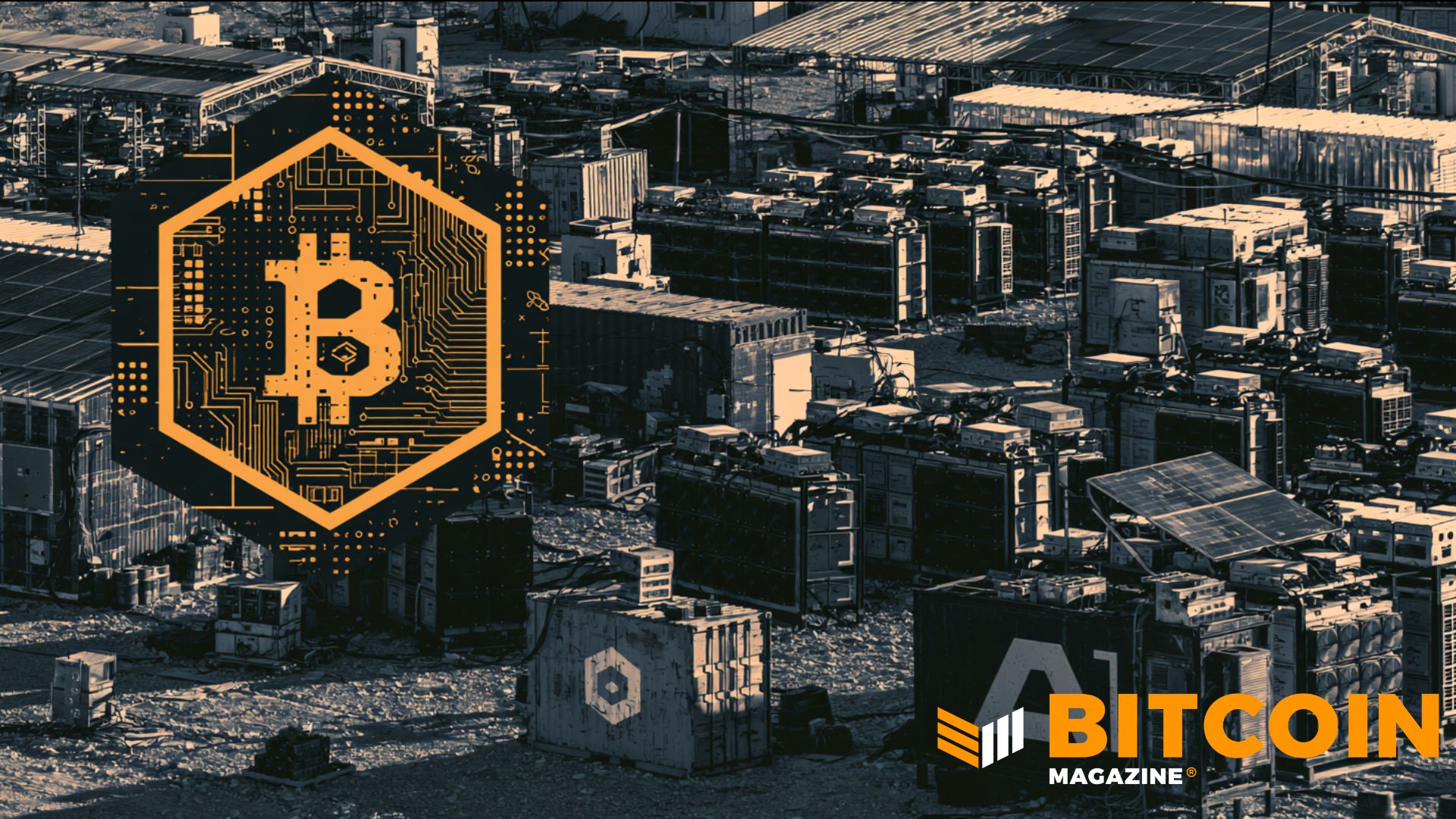
Bitcoin Miner Hut 8 Secures Massive $9.8 Billion Lease Deal for AI Data Center
Hut 8 Corp. (NASDAQ: HUT) shares rallied following the announcement of a second 15-year lease agreement valued at $9.8 billion for its artificial intelligence data center infrastructure. The deal, which aims to bolster the company’s high-performance computing (HPC) capacity, signals a strategic pivot as the firm shifts its operational focus from pure-play Bitcoin mining toward the capital-intensive AI infrastructure market.
Shift in Capital Allocation and Revenue Streams
The $9.8 billion agreement represents a significant escalation in Hut 8’s transition toward managed services and infrastructure leasing. According to the company’s latest investor relations disclosures, this move is designed to diversify revenue beyond the volatile block reward subsidies inherent in Bitcoin mining. By securing long-term lease commitments, the firm seeks to stabilize its cash flow, a necessity for sustaining the high EBITDA margins required by data center operators.
Institutional interest in the firm has tracked closely with this infrastructure expansion. “The market is re-rating miners based on their power access and physical footprint rather than just their hashrate,” says Marcus Sterling, a senior analyst at Capital Flow Research. “Hut 8 is effectively monetizing its energy entitlements in a market where power is the scarcest commodity in the AI supply chain.”
This transition is not without friction. Managing multi-billion dollar real estate and power assets requires specialized oversight that differs fundamentally from digital asset management. Firms facing similar scaling challenges often rely on specialized corporate law firms to navigate the complexities of long-term energy procurement and land-use compliance.
The Infrastructure Bottleneck: Power and Cooling
The core challenge for any firm attempting to scale AI data centers is the physical limit of the electrical grid. Hut 8’s ability to secure this lease relies on existing power purchase agreements (PPAs) that were originally intended for crypto-mining rigs. Converting these to high-density compute facilities requires significant upgrades to HVAC and cooling systems to handle the increased thermal output of modern GPU clusters.
Investors are monitoring the company’s SEC 10-Q filings for evidence of rising capital expenditures (CapEx). While the lease provides a massive top-line figure, the net profitability will hinge on how efficiently the company manages the transition from air-cooled mining containers to liquid-cooled AI server racks. Failure to optimize these systems leads to “stranded capacity,” where power is available but compute density cannot be maximized.
Mid-market firms entering this space often find that internal teams lack the specific expertise to handle the rapid-fire procurement of hardware components. To mitigate these risks, organizations frequently engage enterprise supply chain solutions to manage the logistics of high-end semiconductor acquisition and inventory turnover.
Market Valuation and Comparative Metrics
The valuation of Hut 8 now sits at a crossroads between traditional digital asset volatility and the steady, albeit competitive, valuation multiples assigned to data center real estate investment trusts (REITs). Unlike firms focused solely on mining, which are valued against the price of Bitcoin, infrastructure-focused miners are increasingly valued on a revenue-multiple basis relative to their total megawatts (MW) under contract.
The market is currently pricing in the potential for these data centers to become central nodes in the regional AI infrastructure ecosystem. However, the 15-year duration of the lease introduces significant counterparty risk. If the demand for AI compute cycles cools or if regulatory frameworks regarding data center power consumption tighten, the firm’s reliance on these long-term commitments could become a liability.
For firms evaluating similar large-scale infrastructure investments, the ability to conduct rigorous financial due diligence is essential. Engaging with top-tier financial audit and advisory firms ensures that long-term contracts are properly valued against projected inflation rates and changing energy market dynamics.
Strategic Trajectory and Fiscal Outlook
Hut 8’s pivot highlights a broader trend: the commoditization of physical infrastructure in the age of AI. The $9.8 billion deal is a bet on the long-term persistence of high-compute demand. As the firm prepares for the next fiscal year, the focus will likely shift from securing capacity to operational optimization and customer acquisition for its colocation services.

Investors should look for updates on the utilization rates of these new facilities in upcoming quarterly earnings calls. Higher utilization will be the primary indicator of whether the company can successfully bridge the gap between speculative mining and sustainable infrastructure enterprise. As consolidation in the sector continues, firms that fail to secure high-quality, long-term power contracts may find themselves marginalized, potentially seeking strategic partnerships or exit options through M&A advisory services to salvage remaining value.