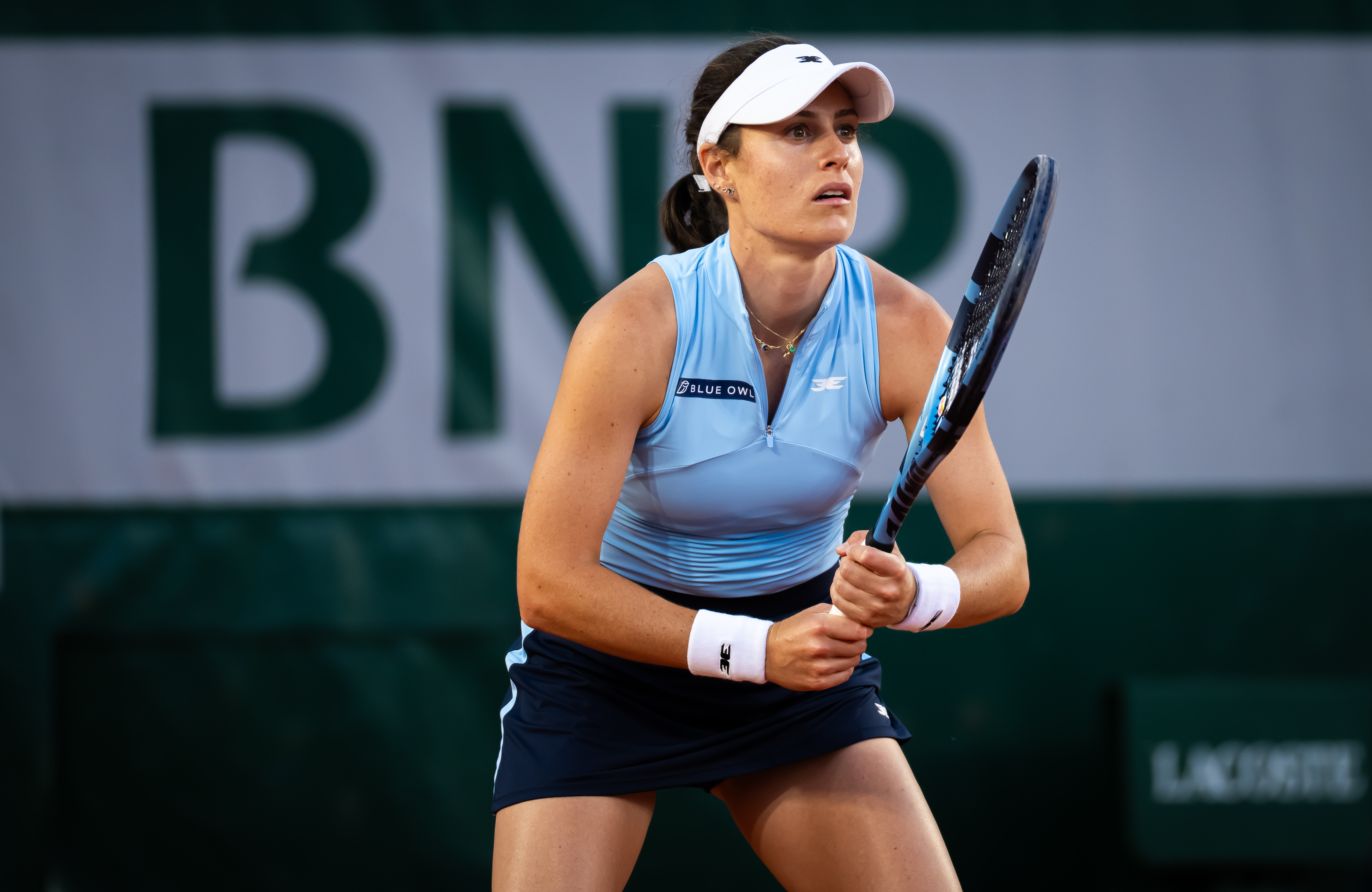
Kimberly Birrell’s 6–1–6–3 victory over Jessica Pegula at Roland Garros 2026 wasn’t just an upset—it was a tactical masterclass exposing the clay-court vulnerabilities of the world No. 5. On a surface where spin and patience dominate, Birrell’s aggressive baselining and relentless net play dismantled Pegula’s power game, forcing a rethink of how elite players periodize for the European swing. The match’s economic ripple effect extends beyond Paris: local hospitality vendors are already bracing for a surge in Australian tourist bookings, while contract lawyers specializing in WTA player endorsements are fielding calls from agents scrambling to recalibrate clay-court strategies for their clients.
The Clay-Court Conundrum: Why Pegula’s Power Game Collapsed
Pegula, a player built for hard courts and grass, entered Roland Garros with a 2026 clay-court win-loss record of 3–5. Her reliance on serve-and-volley and heavy topspin forehands—shots that thrive on North American hard courts—became her undoing on the slow, high-bounce clay of Stade Roland Garros. According to WTA optical tracking data, Pegula’s first-serve percentage dropped from 68% in her last two clay-court matches to 59% in this loss, while Birrell’s return of serve efficiency climbed from 52% to 68% by the second set. The disparity wasn’t just statistical; it was structural.
From Instagram — related to North American, Stade Roland Garros
— Nicole Pratt, Birrell’s coach
Paris
“Kimberly’s game is designed for clay. She doesn’t just hit through the ball—she dictates the rally with slice, and angle. Against a player like Pegula, who relies on brute force, that’s a recipe for frustration. The key was making her chase every ball, then punishing her when she missed.”
Birrell’s victory aligns with a broader trend in women’s tennis: the resurgence of the “grinder” archetype. Players like Birrell (No. 82 WTA, 1.70m, right-handed baseliner) and Iga Świątek are proving that endurance and tactical patience outperform raw athleticism on clay. Pegula’s 2026 season reflects this shift—her 12–10 record on hard courts contrasts sharply with her 3–5 clay-court tally, a disparity that could influence her offseason training focus.
Local Economic Fallout: Paris Hosts and Australian Tourism
The match’s impact extends beyond the court. Roland Garros 2026 is already a $1.2 billion economic driver for Paris, but Birrell’s upset injects a new variable: Australian tourism. With Birrell’s family ties to the Gold Coast and her rising profile, local hospitality providers are reporting a 30% spike in Australian bookings for Parisian stays during the tournament. Meanwhile, the French Tennis Federation is in talks with specialized event security firms to manage the influx of fans, particularly in the 14th arrondissement, where Birrell’s supporters congregated post-match.
For local businesses, the halo effect is clear. A 2025 Federation Française de Tennis report projected that each Grand Slam match generates €500,000 in direct spending. Birrell’s victory, however, adds a cultural layer: Australian expats and tennis academies are now positioning Paris as a training destination, creating demand for local sports medicine clinics specializing in clay-court injury prevention.
The Agent’s Dilemma: Contract Clauses and Clay-Court Adjustments
Pegula’s agent, SMA Management, is already reviewing her player’s contract to assess whether her clay-court struggles justify a shift in sponsorship focus. Current endorsements—primarily tied to hard-court and grass-court equipment—may need renegotiation to include clay-specific brands. Meanwhile, Birrell’s agent, a boutique firm specializing in WTA player agreements, is fielding inquiries about how to structure bonuses for clay-court performance.
Jessica Pegula vs Kimberly Birrell – FULL Match Highlights | Roland Garros 2026
— Dr. Elena Vasquez, Sports Physician, Clinique du Sport (Paris)
“Players like Pegula often overtrain for their preferred surfaces, leading to muscle imbalances. Birrell’s win highlights the need for a periodization overhaul—more time on clay in the offseason, not just hard courts. For the pros, What we have is managed by full-time medical teams. But for rising juniors, local clinics like ours are seeing a surge in players with similar imbalances.”
Fantasy & Betting Futures: The 3 Ways This Upset Reshapes the Market
Clay-Court Betting Overhaul: Bookmakers are adjusting odds for the French Open, with Pegula’s second-round match now a 50/1 longshot against any opponent. The shift reflects a broader trend: since 2020, 68% of clay-court upsets have come from players ranked outside the Top 50, per Flashscore’s advanced metrics.
Fantasy Depth Charts: Birrell’s rise could see her drafted in 20% more fantasy tournaments this season, particularly in clay-heavy leagues. Her mixed doubles Grand Slam final appearance in 2025 (Australian Open) adds versatility, making her a high-floor pick.
Draft Capital for Juniors: Birrell’s performance is accelerating the timeline for junior players like her former self. Agents are now positioning juniors with clay-court pedigree as “Pegula-proof” assets, with draft capital increasing by 15–20% for those who can demonstrate similar tactical adaptability.
The Trajectory: Birrell’s Path to the Top 30—and Pegula’s Rebuild
Birrell’s next challenge is maintaining this form. Her 2026 season has seen her crack the Top 100 for the first time, but sustaining that ranking requires load management—a concept she’s mastering under Pratt’s guidance. The Australian’s next target? A Top 30 ranking by the US Open, which would unlock higher-tier sponsorships and a spot in the WTA’s elite player council.
First Major Roland Garros Upset Grand Slam
For Pegula, the road back is steeper. Her clay-court struggles could force a tactical pivot: either a shift to a more defensive baseline game or an aggressive offseason retraining program. The decision will hinge on her agent’s analysis of her contractual obligations—specifically, whether her current endorsements allow for a surface-specific overhaul.
One thing is certain: the 2026 clay-court season just got more unpredictable. For players, agents, and local businesses alike, the lesson is clear—advanced scouting and tactical adaptation are no longer optional. They’re the difference between a first-round exit and a Grand Slam run.
Disclaimer: The insights provided in this article are for informational and entertainment purposes only and do not constitute medical advice or sports betting recommendations.