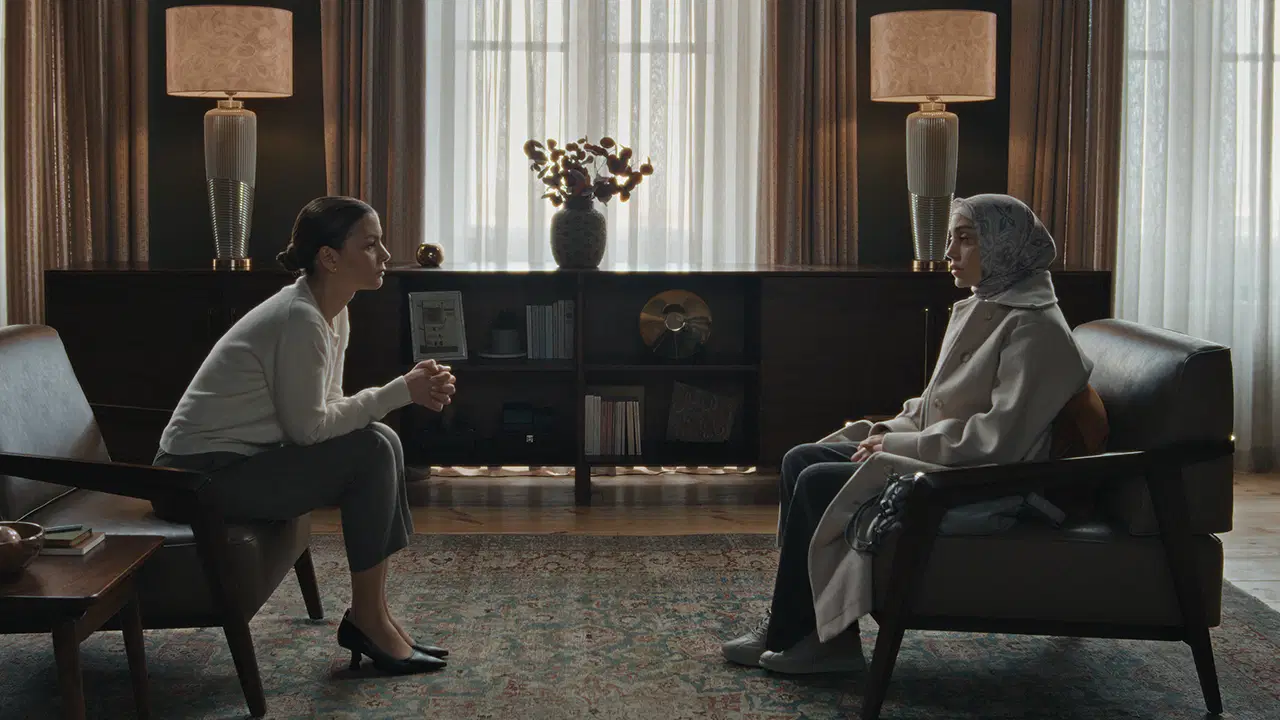
Bir Başkadır Season 2 Narrows Focus to Fear and State Authority
A mechanical vacuum cleaner buzzing across a floor serves as the chilling final image of Bir Başkadır’s second season, a symbol of the clinical, detached authority now dominating the narrative.
When the four-episode season returned on November 12, 2026, the sweeping social canvas of the 2020 debut was replaced by a claustrophobic examination of fear and systemic pressure. The series explores the realities of Turkish society, focusing on collective memory, class tensions, the difficulty of understanding different social segments, and the challenge of living together.
Where the first season mapped the cultural and social polarization of Turkey, the new episodes narrow the lens to a confined world defined by shared anxieties. According to reports from Cumhuriyet and Medyascope, the narrative has shifted from broad intersectional storytelling to a focused study of institutional power.
In the second season, the hope previously present is put to a serious test. The contempt shown by characters like Peri toward Meryem, or Gülbin toward Peri, reflects a broader struggle where everyone attempts to build their existence based on the perceived deficiencies of others.
The Face of Authority
At the center of this transformation is Muzaffer, a character portrayed by series creator Berkun Oya, according to Cumhuriyet. He has become the embodiment of state authority, representing a volatile mix of paranoia and hypocrisy. During a discussion on Medyascope’s Spoiler Serbest program, Aslı Tunç described the character’s function in the new season:
SoL'un X hesabı yine kapatılmış. O yüzden yazıyı doğrudan sitedeki linkiyle paylaşıyorum. Bu yasağa da denk düştü: "Komiser Muzaffer" karakteri neden önemli? https://t.co/NpYRM01LJQ
“Muzaffer, hepimizin tanıdığı bir karakter.”
Tunç emphasized that the four episodes successfully condensed the social stagnation Turkey has experienced in recent years. She said that Muzaffer is a figure found not only in the state but also in corporate and academic environments, calling him the embodiment of “the helplessness of manhood, paranoia, hypocrisy, and deceit.”
“Bazı habitatlarda sessizlik, sadece bir davranış biçimi değil makbul vatandaşlığın da ön koşulu. Devletle kurulan ilişkiyi hak ve hukuk üzerinden değil sadakat ve itaatle tanımladığınızda, başınıza gelen haksızlıkta bile kusuru kendinizde/kendinizden olanda arayabiliyorsunuz.…”
This transition reflects a hardening social climate. Cumhuriyet reported that the initial hope for healing found in the 2020 episodes has evaporated, replaced by a pervasive sense of insecurity.
Characters from secular and conservative spheres, once defined by their differences, now find themselves trapped within the same rigid mechanisms of control. As the publication observed, differences have been “erased” and divisions “resolved” only because the characters have become “homogenized” by entering the same ring. Medyascope summarized the tonal shift: “İlk sezon iktidarın bizi aldığı yerdi, ikinci sezon getirdiği yer.”

Despite the darker subject matter, the production process proved remarkably fluid. Öykü Karayel, returning to her role as Meryem, told Onedio that the cast slipped back into their characters with little effort during the initial readings, according to Onedio.
“Tekrar Meryem’i oynama şansını elde ettiğim için o kadar mutluydum ki. Çok daha az yazmış, keşke biraz daha yazsaymış falan olduk böyle,” said Karayel.
📌BİR BAŞKADIR: VİCDAN AMBALAJINDA DEVLET DÜŞMANLIĞI ✍🏻 Genel Başkan Yardımcımız İlyas Yılmaz yazdı: "Dizinin söylediği söz kısaca şu: Türkiye’nin ve halkın baş düşmanı devlettir, kurtuluş ise bireyin vicdanındadır." 🔗 Yazıyı okumak için:https://t.co/McUcSpqdzC pic.twitter.com/PRnlWwwynS
The story’s physical and psychological scope has tightened, largely confined to spaces like therapy offices. Tunç highlighted the dilemma Peri faces between her professional responsibilities and her desire to help Meryem.
The series offers no easy exits; as one observer noted, the environment is one where even those from the same social circle, upon hearing of a peer’s trouble, ask only, “Why was there a need to film such a video?”
Sociological Debates
Sociological debate continues to follow the show. In a T24 discussion, sociologist Feyza Akınerdem and Candan Yıldız examined how the series mirrors collective memory and class tensions.
These contemporary critiques follow earlier questions raised about the show’s realism; on November 29, 2020, in a piece for T24 titled “Psikiyatri penceresinden Bir Başkadır,” Fuat Torun argued that the series’ clinical portrayals of interactions between secular therapists and conservative patients lacked authenticity.
The creator and lead writer of Bir Başkadır is Berkun Oya, an accomplished playwright and director who founded the Krek Tiyatro Topluluğu in 1998. His extensive background in Turkish media began in 2002 when he served as the screenwriter and producer for the TRT drama series Şapkadan Babam Çıktı.
Throughout his career, he has navigated various television roles, including preparing, hosting, and directing programs such as Defakto on CNN Türk in 2003 and Infoman on NTV in 2005.
İlk sezonda birbirimizi düşman sanıyorduk. İkinci sezonda ise asıl tehditin birbirimiz olmadığını gösteriyor Berkun Oya. Seküleri de muhafazakârı da gazeteciyi de imamı da kendi korkularının ya da fiziki duvarların içine hapseden bir düzenek var artık. Bu mekanizma insanları…
The second season leaves little room for optimism. As Cumhuriyet observed, the small fragments of hope present in the series’ inception have been effectively cleared away, leaving behind an atmosphere as cold and mechanical as the vacuum cleaner that haunts the final frame.