
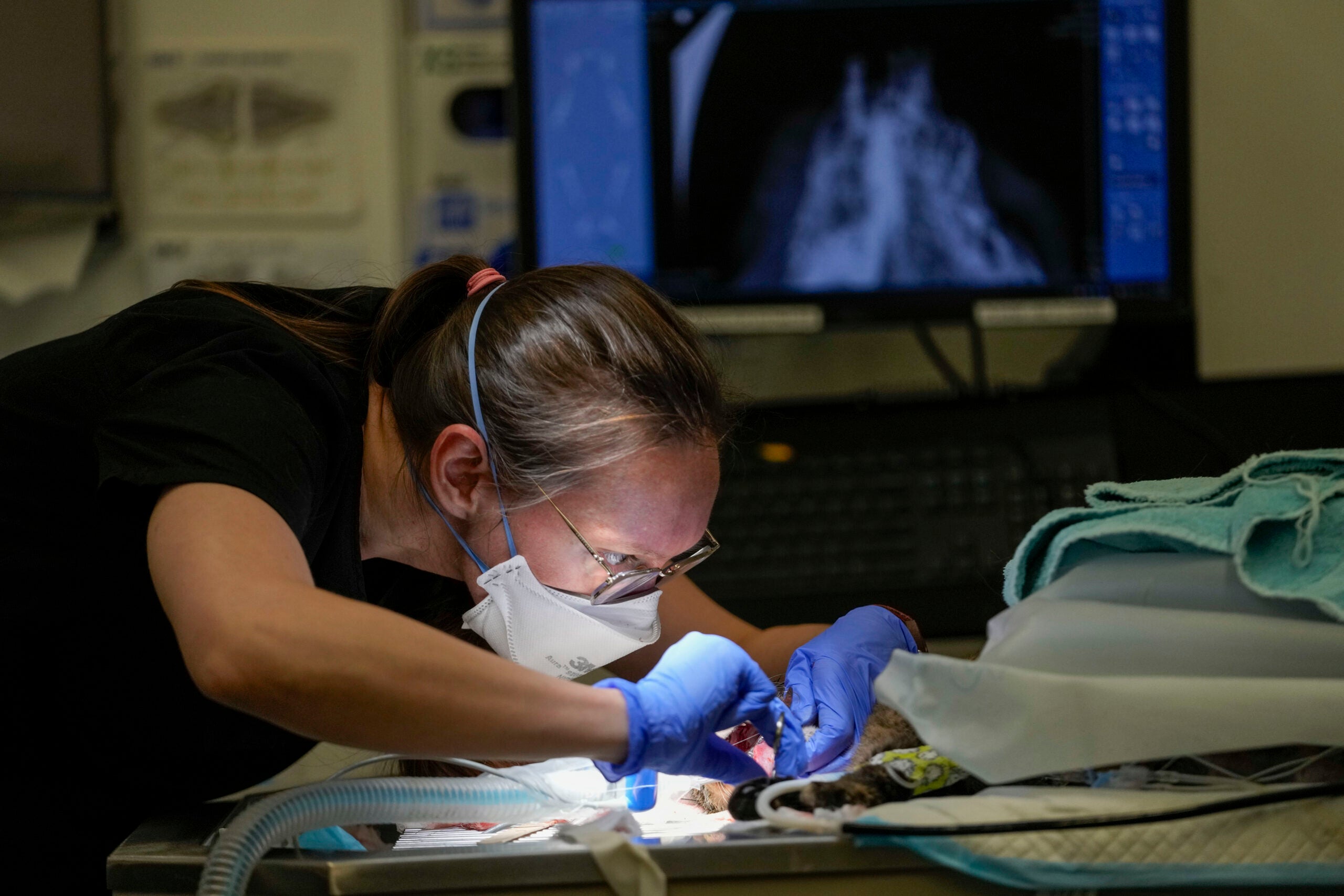
Wisconsin Bill Aims to Combat Rural Vet Shortage with Loan Repayment Program
MADISON, WI – A bipartisan bill under consideration by the Wisconsin Assembly Committee on colleges and Universities proposes a loan repayment program for newly graduated veterinarians who commit to practicing in underserved rural areas of the state. The program,modeled after existing loan forgiveness initiatives for medical professionals,could offer up to $100,000 to eligible veterinarians.
The legislation comes as concerns mount over a growing shortage of large animal veterinarians in rural Wisconsin. Testimony at a public hearing Thursday highlighted the financial pressures driving new vets toward corporate clinics in urban areas. Joie haines,a third-year veterinary student at the University of Wisconsin School of Veterinary Medicine and a board member of the Wisconsin Veterinary Medicine Association,told lawmakers that classmates are receiving sign-on bonuses of $30,000 to $40,000,leading them to question the financial viability of rural practice.”They’re like, ‘Why would you go to rural Wisconsin and be at a large animal practice and make less than $100,000 (per year)?'” Haines stated.
dr. Al Martens of Waupun Veterinary Service,whose team serves nine counties in eastern Wisconsin,explained that many small,independent veterinary practices have disappeared,leading to increased service areas and longer wait times for emergency care. He noted this can create both animal welfare concerns and economic hardship for farms.
The proposed program aims to alleviate the financial burden faced by new veterinarians. Haines estimates her veterinary school debt will reach $200,000 after factoring in interest on a $130,000 loan.”Even though I’m personally committed to serving in a rural area, it is indeed something in the back of my mind, figuring out how am I going to pay back this debt as I finish my schooling,” she told the committee.
While the bill has garnered support from both Republicans and Democrats, funding remains a key hurdle. the legislation does not currently allocate funds for the program, which would need to be included in the next biennial state budget. State Rep. Joel Kitchens,R-Sturgeon Bay,acknowledged the challenge but expressed confidence that funding could be secured,regardless of who holds the governorship. “I’m confident,if we pass this bill,that we’ll get the money into the budget,no matter who the governor is,” Kitchens said.
