
the Future of Work: Why Bill Gates Believes Human Creativity Will Prevail
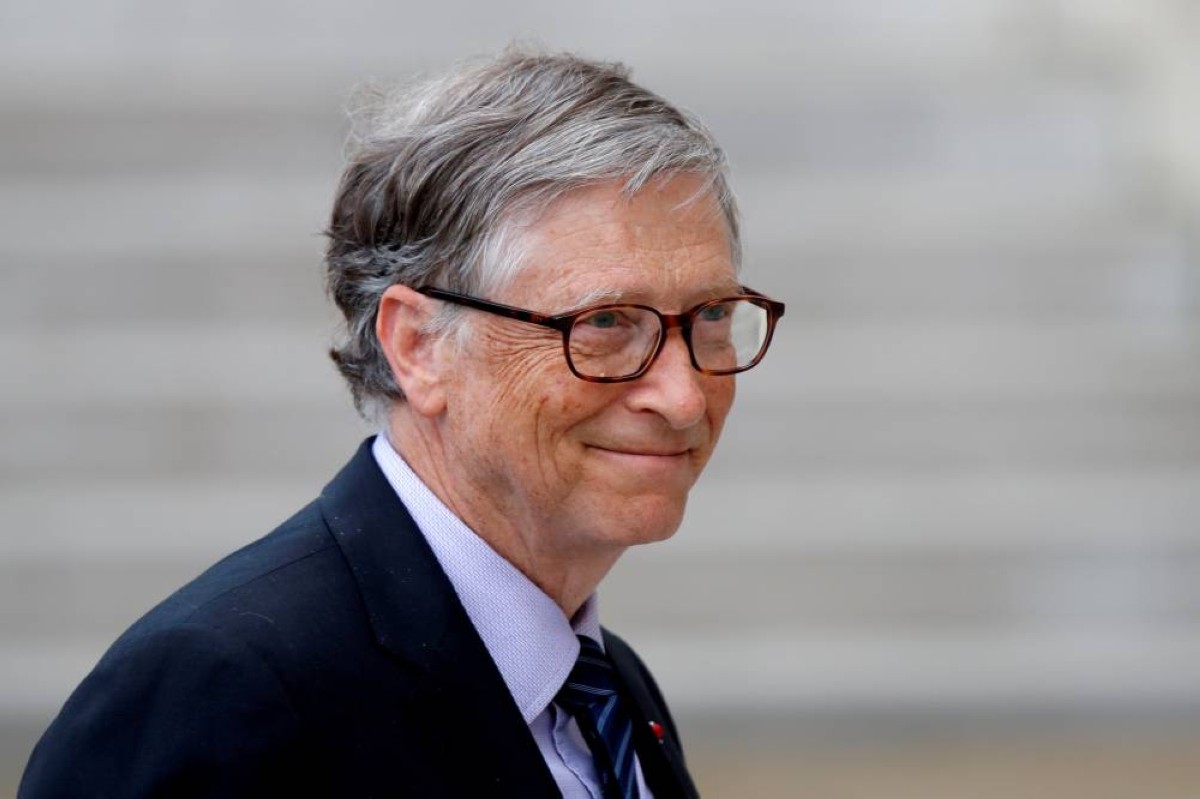
Despite the rapid advancement of artificial intelligence (AI) and its growing influence on the job market, Bill Gates, co-founder of Microsoft, asserts that programming will remain a fundamentally human profession for the foreseeable future - even a century from now. This statement sparks a crucial conversation about the boundaries of automation and the evolving role of humans in the workplace.
While acknowledging concerns about AI – stating, ”I am also afraid” in a recent interview with Radio France Inter – Gates emphasizes the immense opportunities presented by this technological revolution. estimates from the world Economic Forum suggest AI could displace approximately 85 million jobs by 2030, but concurrently create 97 million new roles in emerging sectors. This indicates the labor market will undergo meaningful shifts, but these changes aren’t necessarily negative, as highlighted by LERAVI.org.
Gates envisions a future where AI allows work to shift away from solely income-driven pursuits and towards creativity, self-fulfillment, and increased leisure time.
He specifically points to programming as a field resistant to full automation. AI can assist with tasks like identifying software bugs, but lacks the human capacity for complex decision-making, innovative thinking, and the creation of novel solutions. Programming, Gates explains, is not merely writing code, but a refined mental process requiring systems understanding and strategic planning beyond the capabilities of algorithms.
This need for human expertise extends beyond programming. Fields like energy and biological sciences demand significant experience and ethical considerations that AI struggles to replicate. Conversely, administrative and certain creative roles – such as office assistance and graphic design – are more vulnerable to automation due to AI’s ability to reduce time and costs.
French experts agree, identifying critical thinking and complex problem-solving as key defenses against automation.gates believes individuals in intellectual professions who possess these skills will continue to thrive.
Ultimately, Gates advocates for embracing AI as a tool to augment human capabilities, rather than viewing it as a threat. He encourages curiosity and a commitment to lifelong learning to adapt to the changing landscape. While technology will undoubtedly reshape the nature of work, human creativity remains an irreplaceable element, regardless of how advanced machines become.
