
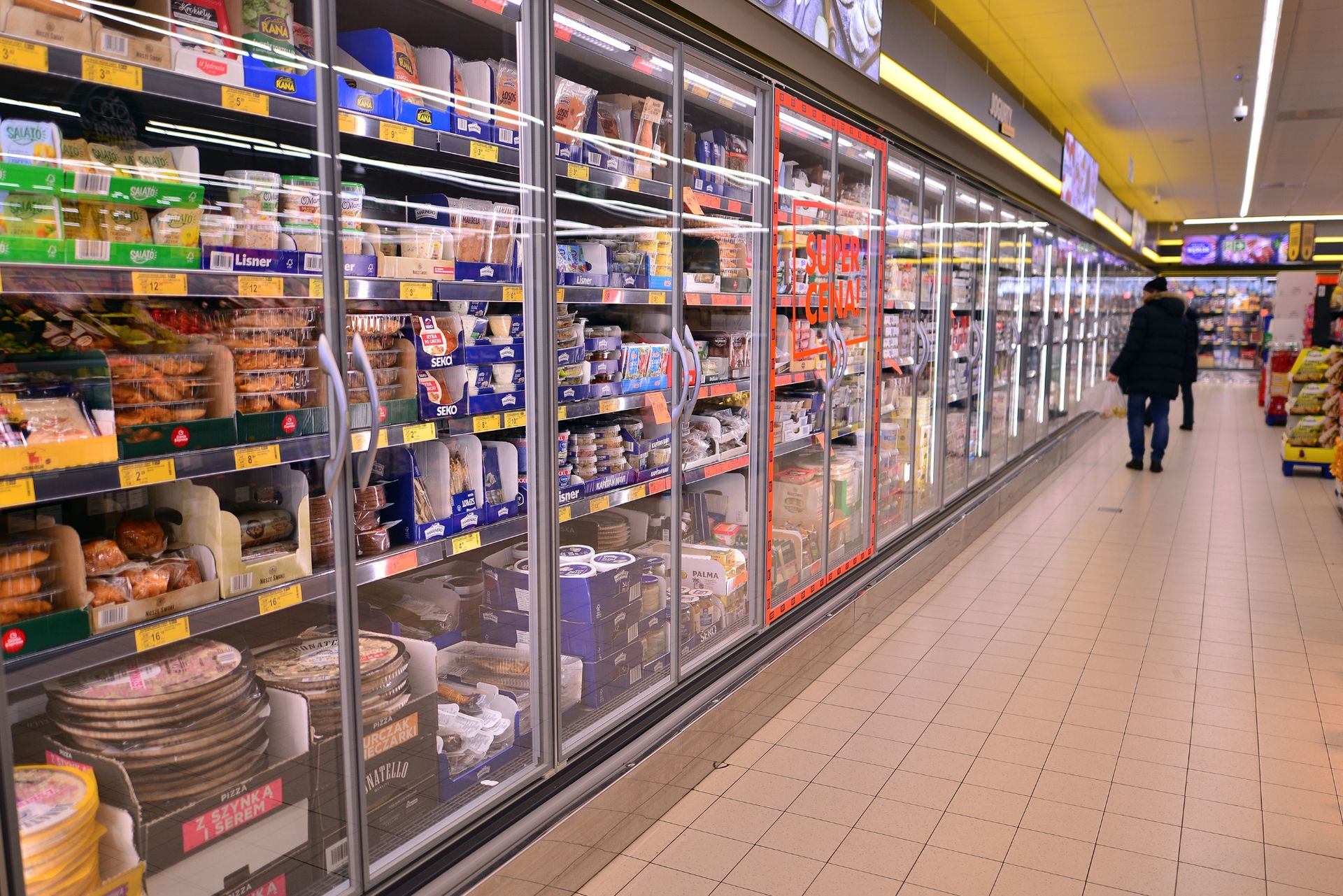
Biedronka Cream: Different Ingredients in Same Product Raise Concerns
Biedronka, Poland’s leading discount retailer, is facing scrutiny over inconsistencies in its “śmietanka” (cream) product line. Reports surfaced on social media indicating variations in ingredient lists – some containing only cream, while others include carrageenan and milk proteins – despite identical packaging and branding. This has sparked consumer concern and raises questions about supply chain management and quality control, potentially impacting brand trust and necessitating robust supply chain risk assessment solutions.
The Erosion of Brand Consistency: A Fiscal Headwind
The issue, initially highlighted by the “Pomysłodawcy” Facebook profile, isn’t merely a matter of consumer preference. It’s a fundamental breach of brand promise. In a market increasingly driven by “clean label” demands – consumers actively seeking products with minimal, recognizable ingredients – such discrepancies can quickly translate into lost market share. The financial implications are significant. A recent study by McKinsey & Company estimates that brands with strong sustainability and transparency credentials command a price premium of up to 10%.
Biedronka’s response, relayed to WP Finanse, attempts to mitigate the damage. The retailer asserts that carrageenan is a legally permissible and safe stabilizer, commonly used in the industry. They also frame the variation as a test of consumer preference for a “clean label” version of the product. However, this explanation feels reactive, not proactive. The core problem isn’t the presence of carrageenan itself, but the lack of transparency and the inconsistent application of product standards. This inconsistency introduces operational inefficiencies and potential legal liabilities.
Supply Chain Vulnerabilities and the Rise of Ingredient Substitution
The root cause likely lies within Biedronka’s complex supply chain. Poland’s dairy sector, while robust, has been facing inflationary pressures and fluctuating raw material costs. Carrageenan and milk proteins are significantly cheaper than pure cream, offering a cost-saving measure for manufacturers. This practice, while not inherently illegal, highlights a vulnerability in the supply chain – a willingness to compromise on ingredient quality to maintain margins. This is a trend we’ve observed across the European food sector, particularly in response to the energy crisis and the war in Ukraine, which disrupted agricultural supply lines.
According to data from the Polish Central Statistical Office (GUS), dairy prices increased by 18.5% year-over-year in February 2026. This inflationary environment incentivizes ingredient substitution, but it also creates reputational risk. Biedronka’s situation underscores the need for enhanced traceability and quality control measures throughout the supply chain. Companies are increasingly turning to quality assurance and inspection services to mitigate these risks.
“The consumer is far more sophisticated today. They’re not just looking for the lowest price; they’re demanding transparency and authenticity. Brands that fail to deliver on these expectations will face a swift and unforgiving backlash.” – Dr. Anya Kowalski, Senior Portfolio Manager, BlackRock.
The “Clean Label” Imperative and Margin Pressure
Biedronka’s attempt to position the “clean label” version as a test is a smart, albeit belated, move. The demand for natural and minimally processed foods is undeniable. Euromonitor International projects that the global “clean label” market will reach $225 billion by 2028, growing at a CAGR of 7.8%. However, offering a premium “clean label” product alongside a cheaper, ingredient-modified version creates a two-tiered system that could further erode consumer trust.
The challenge for Biedronka, and indeed for all retailers operating in this space, is balancing consumer demand for quality with the need to maintain profitability. Ingredient substitution is a common tactic to protect margins, but it requires careful management and transparent communication. Failure to do so can lead to brand damage and a decline in sales. This situation highlights the growing importance of robust risk management consulting to navigate these complex challenges.
Financial Implications and Competitive Landscape
Biedronka’s parent company, Jeronimo Martins, reported a consolidated net profit of €1.4 billion in 2025. While the “śmietanka” issue is unlikely to have a material impact on the company’s overall financial performance in the short term, it could contribute to a slowdown in sales growth. Competitors like Lidl and Kaufland are actively promoting their “clean label” offerings, capitalizing on the growing consumer demand for natural products.
The long-term implications are more concerning. A sustained loss of consumer trust could lead to a decline in brand loyalty and a shift in market share. Jeronimo Martins’ stock (Jeronimo Martins SGPS, Euronext Lisbon: JMT) is currently trading at a price-to-earnings ratio of 22.5x, reflecting investor confidence in the company’s growth prospects. However, a prolonged reputational crisis could place downward pressure on the stock price.
Navigating the Regulatory Landscape
The situation also raises questions about the effectiveness of food labeling regulations in Poland and the broader European Union. While carrageenan is legally permitted, the lack of clear and consistent labeling requirements allows manufacturers to obscure ingredient variations. The EU’s Food Information to Consumers (FIC) Regulation aims to provide consumers with clear and accurate information about the food they purchase, but enforcement remains a challenge.
Companies operating in the food industry must stay abreast of evolving regulatory requirements and invest in robust compliance programs. This includes implementing rigorous quality control procedures, enhancing traceability systems, and ensuring transparent labeling practices. Specialized regulatory compliance services are becoming increasingly essential for navigating this complex landscape.
The Biedronka case serves as a stark reminder that brand reputation is a fragile asset. In an era of heightened consumer awareness and social media scrutiny, transparency and authenticity are paramount. Retailers must prioritize quality control, supply chain resilience, and clear communication to maintain consumer trust and protect their bottom line. The coming fiscal quarters will be critical for Biedronka to demonstrate a commitment to these principles and regain the confidence of its customers.
For businesses seeking to fortify their supply chains, navigate evolving regulations, and protect their brand reputation, the World Today News Directory offers a curated selection of vetted B2B partners. Don’t leave your future to chance – connect with leading experts today.