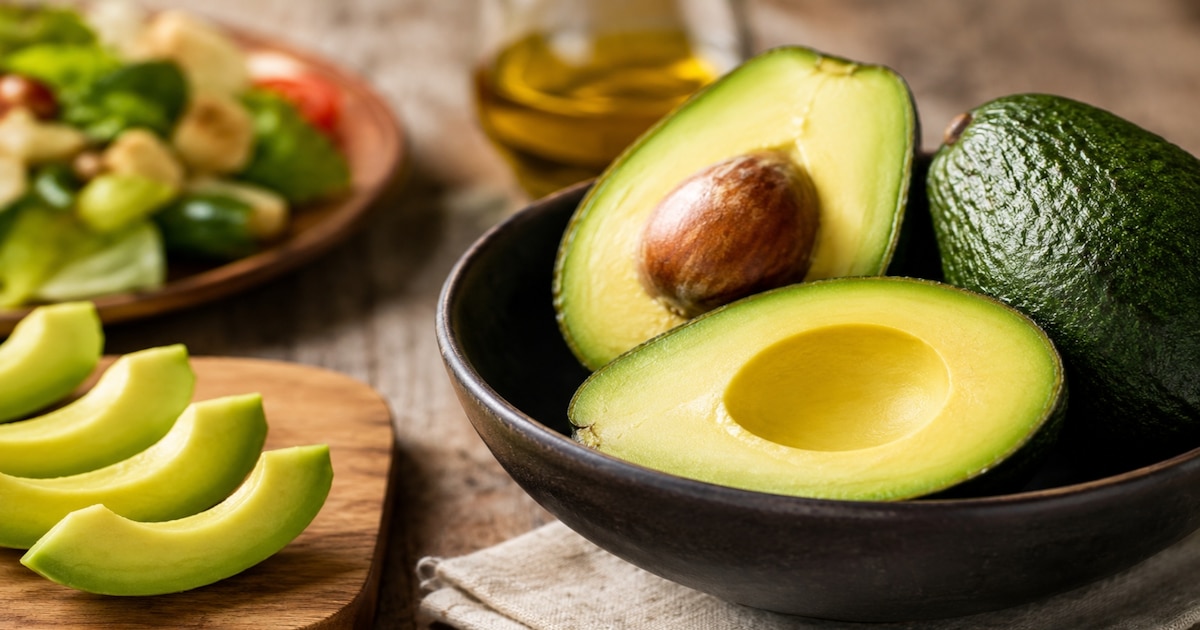
Beyond Cholesterol and Sugar: The Risks of Eating Too Much Avocado
Excessive consumption of avocado, a fruit widely lauded for its monounsaturated fat content, can lead to unintended caloric surplus and potential digestive distress, according to clinical observations and nutritional data updated as of June 2026. While avocados are a staple of heart-healthy diets, researchers warn that their high energy density—averaging 250 to 320 calories per whole fruit—poses a risk of weight-related metabolic complications when portions are not strictly regulated.
Key Clinical Takeaways:
- Avocados are calorie-dense; exceeding daily caloric requirements can lead to unintended weight gain, regardless of the quality of the fats consumed.
- High-fiber intake from avocados may trigger gastrointestinal symptoms, such as bloating or abdominal discomfort, in individuals with sensitive digestive systems or irritable bowel syndrome (IBS).
- Clinical consensus emphasizes portion control; nutritionists generally recommend a serving size of one-third to one-half of an avocado to maintain caloric balance.
The Metabolic Cost of Energy Density
The nutritional profile of Persea americana is dominated by oleic acid, a monounsaturated fatty acid associated with improved lipid profiles. However, the caloric load remains significant. According to the USDA FoodData Central, a single large avocado can provide upwards of 300 calories. When integrated into a diet without accounting for total daily energy expenditure (TDEE), this intake contributes to a positive energy balance. Over time, chronic caloric surplus leads to adiposity, which is a known driver of insulin resistance and systemic inflammation. Unlike processed foods, the satiety index of avocado is relatively high due to its fiber content, yet the metabolic impact of frequent overconsumption remains a point of concern for patients managing weight-related comorbidities.
Gastrointestinal Implications and Fiber Sensitivity
Beyond caloric density, avocados contain polyols—specifically sorbitol—which are fermentable carbohydrates categorized under the FODMAP umbrella. For patients with functional gastrointestinal disorders, such as irritable bowel syndrome (IBS), these compounds can trigger osmotic diarrhea or significant bloating. “The presence of sorbitol in high concentrations can lead to increased water retention in the small intestine,” notes Dr. Elena Rossi, a gastroenterologist specializing in metabolic nutrition. “While fiber is essential for microbiome health, the rapid introduction of high-fiber, high-fat foods can overwhelm the digestive capacity of patients with underlying sensitivities.”
Epidemiological Context and Clinical Guidance
Recent longitudinal analyses suggest that the “health halo” effect often leads consumers to underestimate portion sizes. Research published in the Journal of the Academy of Nutrition and Dietetics highlights that the perception of a food as “healthy” frequently correlates with increased consumption, often bypassing internal satiety cues. This behavioral phenomenon necessitates a more clinical approach to dietary planning. For patients struggling to calibrate their nutritional intake, consulting with a registered dietitian or clinical nutritionist is essential to establish a baseline that aligns with individual metabolic needs.
Diagnostic Approaches to Dietary Management
Managing the intersection of cardiovascular health and gastrointestinal tolerance requires a nuanced diagnostic approach. Patients experiencing persistent bloating or unexplained weight fluctuations should undergo a formal assessment of their dietary habits and metabolic markers. This often includes a comprehensive lipid panel and, where necessary, a trial of a low-FODMAP protocol to isolate specific triggers. Healthcare providers at specialized metabolic health centers often utilize these metrics to differentiate between systemic metabolic issues and specific food intolerances.

Future Trajectories in Metabolic Research
As research into plant-based lipids continues to evolve, the focus is shifting toward personalized nutrition. Future studies, likely to be funded by institutions such as the National Institutes of Health (NIH), aim to determine how genetic variations in lipid metabolism affect the long-term outcomes of high-avocado diets. Until such data is standardized, the clinical standard of care remains centered on moderation and the monitoring of total energy intake. For those seeking professional guidance on optimizing their dietary protocols, connecting with board-certified metabolic specialists remains the most effective strategy to ensure that nutritional choices support, rather than hinder, long-term health goals.
Disclaimer: The information provided in this article is for educational and scientific communication purposes only and does not constitute medical advice. Always consult with a qualified healthcare provider regarding any medical condition, diagnosis, or treatment plan.