
Beta-Blockers for Advanced Liver Disease: Managing Portal Hypertension & Preventing Decompensation
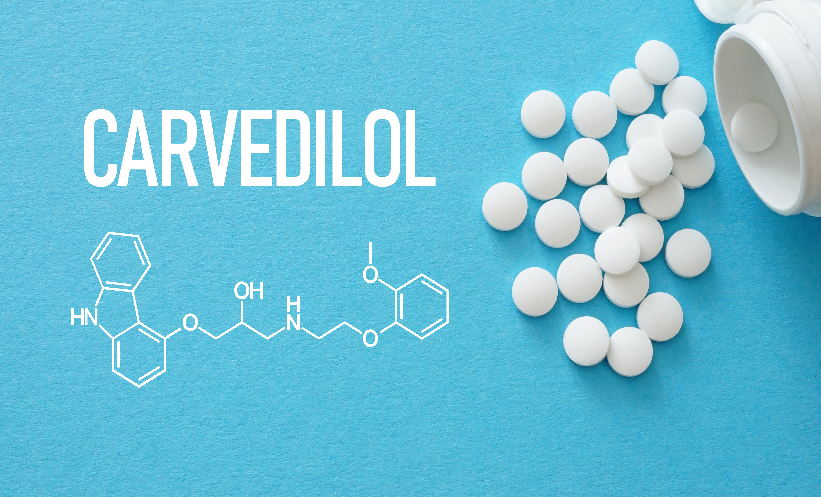
A recent review of advanced chronic liver disease (ACLD) management underscores the growing role of beta-blockers, specifically carvedilol, in preventing the first signs of deterioration in patients with portal hypertension (PH). Published in Liver International, the findings support a stage-specific approach to treating ACLD, integrating medication with broader care strategies.
ACLD, encompassing severe liver damage often leading to cirrhosis, affects approximately 1.3% of the global population. While many individuals initially experience no symptoms, progression to decompensation – characterized by complications like ascites (fluid buildup in the abdomen), variceal bleeding, and hepatic encephalopathy – dramatically increases mortality risk.
Portal hypertension, an increase in pressure within the liver’s blood vessels, is a primary driver of these complications. Beta-blockers perform to reduce this pressure by decreasing cardiac output and altering blood flow within the liver, and have been shown to reduce the likelihood of a first decompensation event in patients with clinically significant PH, particularly by decreasing the incidence of ascites.
Among non-selective beta-blockers, carvedilol has demonstrated a greater reduction in hepatic venous pressure gradient compared to propranolol, according to the review. Clinical studies indicate that carvedilol is more effective at lowering hepatic venous pressure gradient and potentially delaying first decompensation than propranolol. However, the benefits of beta-blockers generally diminish once a patient has already decompensated.
The effectiveness and safety of beta-blockers are closely tied to the stage of ACLD. In compensated disease – where the liver is severely damaged but not yet failing – they are generally well-tolerated, although identifying patients who will respond to treatment remains a challenge. In decompensated disease, a delicate balance exists. As cardiovascular function declines, particularly in patients with low blood pressure, kidney impairment, or ascites that doesn’t respond to treatment, the risks associated with beta-blockers may outweigh the benefits.
Current guidance from the American Association for the Study of Liver Diseases (AASLD) identifies carvedilol as the preferred non-selective beta-blocker for treating portal hypertension in cirrhosis, with a recommended maintenance dose of 6.25-12.5 mg per day. The guidance notes that the dose may be increased for patients with coexisting hypertension or cardiac disease. If low blood pressure is a concern, switching to propranolol or nadolol may be considered due to their lesser effects on arterial blood pressure.
Beta-blockers are often used in conjunction with other treatments. Endoscopic variceal ligation, a procedure to bind and prevent bleeding from enlarged veins in the esophagus, is an alternative for patients who cannot tolerate medication and is routinely used after a bleeding event. Some research suggests that combining carvedilol with endoscopic variceal ligation may reduce bleeding and mortality in higher-risk patients, although results have been inconsistent across studies.
Beyond medication, addressing the underlying causes of ACLD – such as alcohol use, viral hepatitis, and metabolic disease – is crucial. Preventive measures, including vaccination, nutritional support, and regular imaging, also play a vital role in patient care.
Researchers are also investigating other potential therapies, including statins, anticoagulants, and treatments targeting metabolic liver disease. While these therapies have shown some promise in terms of haemodynamic or biological effects, consistent reductions in clinical outcomes have not yet been established.