
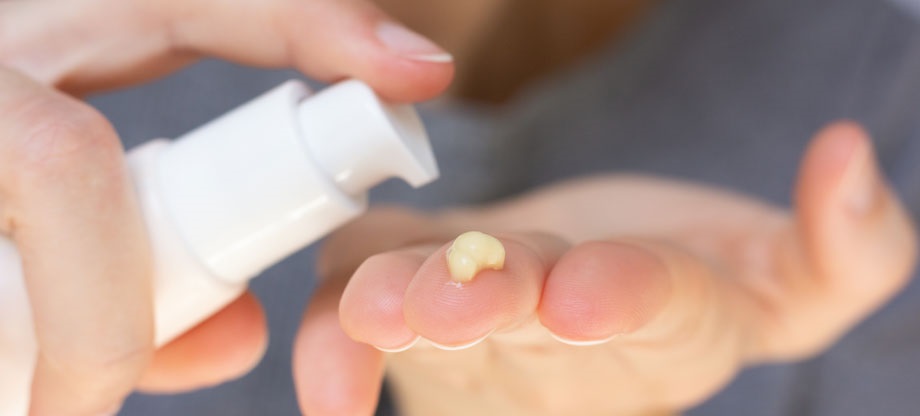
Best Natural Retinol Alternatives That Actually Work
The pursuit of dermal rejuvenation often leads patients to a clinical crossroads: the proven efficacy of retinoids versus the risk of significant cutaneous irritation. While the gold standard of anti-aging remains undisputed, the physiological toll on sensitive skin types necessitates a shift toward gentler, plant-based alternatives.
Key Clinical Takeaways:
- Retinol remains the most researched anti-aging agent, stimulating collagen and cell turnover, but frequently triggers redness and dryness.
- Bakuchiol, derived from the babchi plant, serves as a potent anti-inflammatory alternative that reduces redness without the harshness of Vitamin A.
- Mitigating retinoid-induced irritation requires precise titration and the “sandwich technique” of layering moisturizer.
The pathogenesis of skin aging involves a gradual decline in collagen production and a slowing of cellular turnover, leading to the manifestation of fine lines, enlarged pores, and loss of elasticity. For women over 50, these changes are often pronounced. Retinol, a derivative of Vitamin A, has long been the standard of care to address these issues. By increasing skin cell turnover, it improves pigmentation and tone while stimulating the production of collagen to create plumper, tighter skin. However, the clinical utility of retinol is often hampered by its potential for adverse reactions.
For individuals with hyper-reactive or dry skin, the introduction of retinol can lead to a compromised skin barrier, resulting in flakiness and erythema. This inflammatory response is not merely a cosmetic inconvenience but a clinical contraindication for some users. When the skin’s barrier is breached, the subsequent dryness can exacerbate existing sensitivities, making the “wonder ingredient” a liability rather than an asset. This gap in tolerable care has driven the clinical interest in plant-based alternatives that mimic the efficacy of retinoids without the associated morbidity of skin peeling.
The Biological Mechanism of Retinol and its Natural Counterparts
To understand the alternatives, one must first understand the nature of the primary agent. Retinol is a natural form of Vitamin A found in nature and animal products, such as dairy or liver. In a clinical skincare context, it is often synthesized in a laboratory to ensure stability and concentration. While strictly natural in its chemical essence, the high potency of synthetic formulations is what typically triggers irritation.
Enter Bakuchiol, a compound derived from the seeds of the babchi plant, which is indigenous to Southern Africa and regions of China and India. Unlike retinol, which can be caustic to the stratum corneum, bakuchiol is prized for its anti-inflammatory properties. It provides a pathway to skin-smoothing benefits without the risk of severe irritation or redness. For patients who cannot tolerate the standard Vitamin A protocol, Bakuchiol offers a viable alternative for maintaining skin texture and minimizing the appearance of wrinkles.
Evaluating the efficacy of these agents requires a comparison of their physiological impact and patient tolerance. The following data summarizes the clinical profile of these two prominent options:
| Feature | Retinol (Vitamin A) | Bakuchiol (Babchi Plant) |
|---|---|---|
| Primary Action | Increases cell turnover & collagen | Anti-inflammatory & skin-smoothing |
| Common Side Effects | Redness, flakiness, dryness | Low irritation potential |
| Ideal Patient Profile | Resilient skin, severe photo-aging | Sensitive skin, inflammatory-prone |
| Origin | Synthetic or Animal/Plant-based | Plant-based (Babchi seeds) |
Clinical Strategies for Mitigating Retinoid Irritation
For those who wish to remain on a retinol regimen despite sensitivity, dermatologists emphasize a strategy of gradual titration. Dr. Vivian Chin, a cosmetic physician and founder of Koru Wellness & Aesthetics NYC, suggests that the frequency of application is the primary lever for controlling irritation. Starting the application every other night—or even every two nights for those with severely dry skin—allows the epidermis to adapt to the active ingredient, reducing the likelihood of a flare-up.
Beyond frequency, the method of application can significantly alter the skin’s response. Dr. Viktoryia Kazlouskaya, MD, PhD, recommends the “sandwich technique,” which involves applying a layer of moisturizer, followed by the retinol, and then a final layer of moisturizer. This method buffers the active ingredient, slowing its penetration and reducing the immediate inflammatory impact on the skin barrier. Timing also plays a role; applying the product several hours before sleep ensures the formula sets properly and does not migrate or cause friction-induced irritation during the night.
Despite these mitigation strategies, some patients will never achieve a tolerance level that justifies the leverage of traditional retinoids. In these instances, switching to a dedicated plant-based routine is the most prudent clinical path. For patients struggling to determine if their reaction is a standard “purging” phase or a genuine allergic contraindication, it is highly recommended to consult with board-certified dermatologists to establish a safe titration schedule or transition to alternatives.
Navigating the Transition to Plant-Based Dermatology
The shift toward natural alternatives is not merely a trend but a response to the demand for inclusive skincare that accounts for various skin phenotypes and sensitivity levels. When selecting a natural retinol alternative, clinicians advise ensuring that the entire formulation is plant-based to avoid introducing other potential irritants or animal-derived components that may conflict with patient ethics or sensitivities.

The integration of these alternatives often requires a professional skin analysis to determine the baseline health of the skin barrier. Patients may find that a combination approach—using bakuchiol during the day or in sensitive areas and a low-dose retinoid in resilient areas—provides the optimal balance of efficacy and comfort. To achieve this level of precision, many patients are now utilizing specialized aesthetic clinics that offer diagnostic imaging to track collagen density and skin hydration levels.
As research into botanical compounds expands, the gap between synthetic potency and natural tolerance continues to close. The goal is no longer just “anti-aging” but the maintenance of skin health through a sustainable, non-inflammatory approach. For those navigating complex skin conditions or chronic sensitivity, working with licensed skin care specialists ensures that the transition to natural alternatives is grounded in clinical evidence rather than marketing claims.
The future of dermatological intervention lies in personalized chemistry—matching the active ingredient to the patient’s specific biological tolerance. Whether through the precision of the sandwich technique or the gentle efficacy of the babchi plant, the objective remains the same: achieving youthful, resilient skin without compromising the integrity of the cutaneous barrier.
Disclaimer: The information provided in this article is for educational and scientific communication purposes only and does not constitute medical advice. Always consult with a qualified healthcare provider regarding any medical condition, diagnosis, or treatment plan.