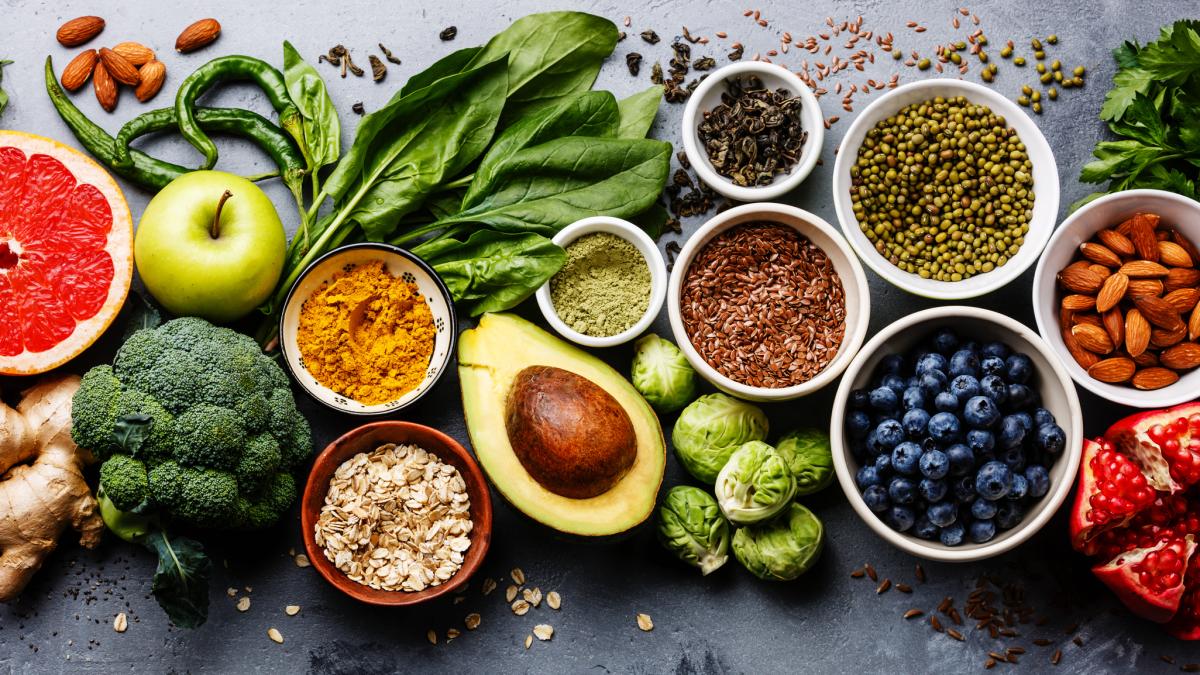
Best Foods for Heart Health: Fruits, Legumes, and Green Tea
Recent epidemiological data confirms that specific dietary patterns characterized by high intake of legumes and antioxidant-rich fruits, paired with green tea consumption, significantly correlate with reduced cardiovascular morbidity. Emerging clinical evidence suggests that the synergy between these plant-based compounds may improve endothelial function and lipid profiles, providing a non-pharmacological pathway to support heart health.
Key Clinical Takeaways:
- Synergistic Protection: Combining green tea with specific fruits and legumes creates a favorable metabolic environment that may lower long-term risk of arterial plaque formation.
- Standardized Intake: Clinical guidelines increasingly emphasize consistent, moderate portions of legumes and fruits as part of a Mediterranean-style dietary intervention.
- Proactive Triage: Patients with existing hypertension or hypercholesterolemia should transition from general dietary advice to personalized nutritional planning under professional supervision.
The Biological Mechanism of Plant-Based Cardiovascular Protection
The cardiovascular benefits associated with legumes—such as lentils, chickpeas, and beans—are largely attributed to their high fiber content and low glycemic index. According to longitudinal data published in the Journal of the American College of Cardiology, these properties assist in the regulation of postprandial glucose and the reduction of low-density lipoprotein (LDL) cholesterol. When paired with fruits high in polyphenols, such as berries and citrus, the body experiences a reduction in systemic oxidative stress.
Green tea, rich in epigallocatechin gallate (EGCG), acts as a biological catalyst in this process. Research indicates that EGCG promotes nitric oxide production, which aids in vasodilation. For individuals managing the early stages of atherosclerosis, this dietary combination functions as an adjunct to standard-of-care therapies. It is essential to note that while diet is a primary preventative tool, it does not replace the necessity for clinical diagnostics. Patients requiring specialized cardiac evaluation should reach out to a board-certified cardiologist to establish a baseline for their vascular health.
Clinical Guidelines on Frequency and Dosage
Translating research into clinical practice requires an understanding of therapeutic thresholds. Current nutritional science, supported by the World Health Organization (WHO), suggests that the protective effects of legumes are most pronounced when consumed at least three to four times per week. The integration of two to three servings of fruit daily is also associated with improved arterial compliance.
“The objective is not merely caloric restriction, but the deliberate inclusion of micronutrients that influence the pathogenesis of heart disease,” notes Dr. Elena Rossi, a clinical nutritionist specializing in metabolic health. “Patients often struggle with the transition to plant-forward diets due to gastrointestinal sensitivity. Gradual implementation is the clinical gold standard to ensure long-term adherence.”
Addressing Nutritional Gaps and Diagnostic Hurdles
Despite the efficacy of these dietary interventions, many patients fail to achieve optimal outcomes due to undiagnosed metabolic comorbidities. A diet high in legumes may be insufficient if underlying systemic inflammation or insulin resistance remains unaddressed. For those experiencing persistent cardiovascular markers that do not improve with lifestyle modifications, it is highly recommended to consult with vetted internal medicine practitioners to explore advanced metabolic panels.

Furthermore, the pharmaceutical industry continues to monitor the impact of these dietary trends on long-term drug dependency. Healthcare compliance attorneys are increasingly advising clinical practices to document nutritional counseling as part of a comprehensive Electronic Health Record (EHR) to ensure that patient outcomes are measured against established clinical benchmarks. This rigorous documentation is essential for those seeking to mitigate the risk of chronic morbidity through data-driven lifestyle management.
The Future of Integrative Cardiology
As the medical community moves toward a model of preventative, rather than reactive, care, the role of diet as a primary intervention is gaining traction. Future research is expected to focus on the pharmacokinetics of combining plant-derived polyphenols with traditional anti-hypertensive medication. For patients navigating these evolving standards, the primary goal remains the reduction of the overall cardiovascular risk profile.
Individuals looking to optimize their heart health through evidence-based protocols should seek counsel from a specialized nutrition and cardiac health center. By bridging the gap between nutritional science and clinical practice, patients can better manage their health trajectory and reduce the reliance on intensive medical interventions.
Disclaimer: The information provided in this article is for educational and scientific communication purposes only and does not constitute medical advice. Always consult with a qualified healthcare provider regarding any medical condition, diagnosis, or treatment plan.