
Retailers are increasingly adopting point-of-sale (POS) systems equipped with barcode scanners to streamline operations and improve efficiency, a trend highlighted by industry analysts as crucial for success in 2026. The demand stems from the need for faster checkout speeds and more accurate inventory management, according to a recent report by ConnectPOS.
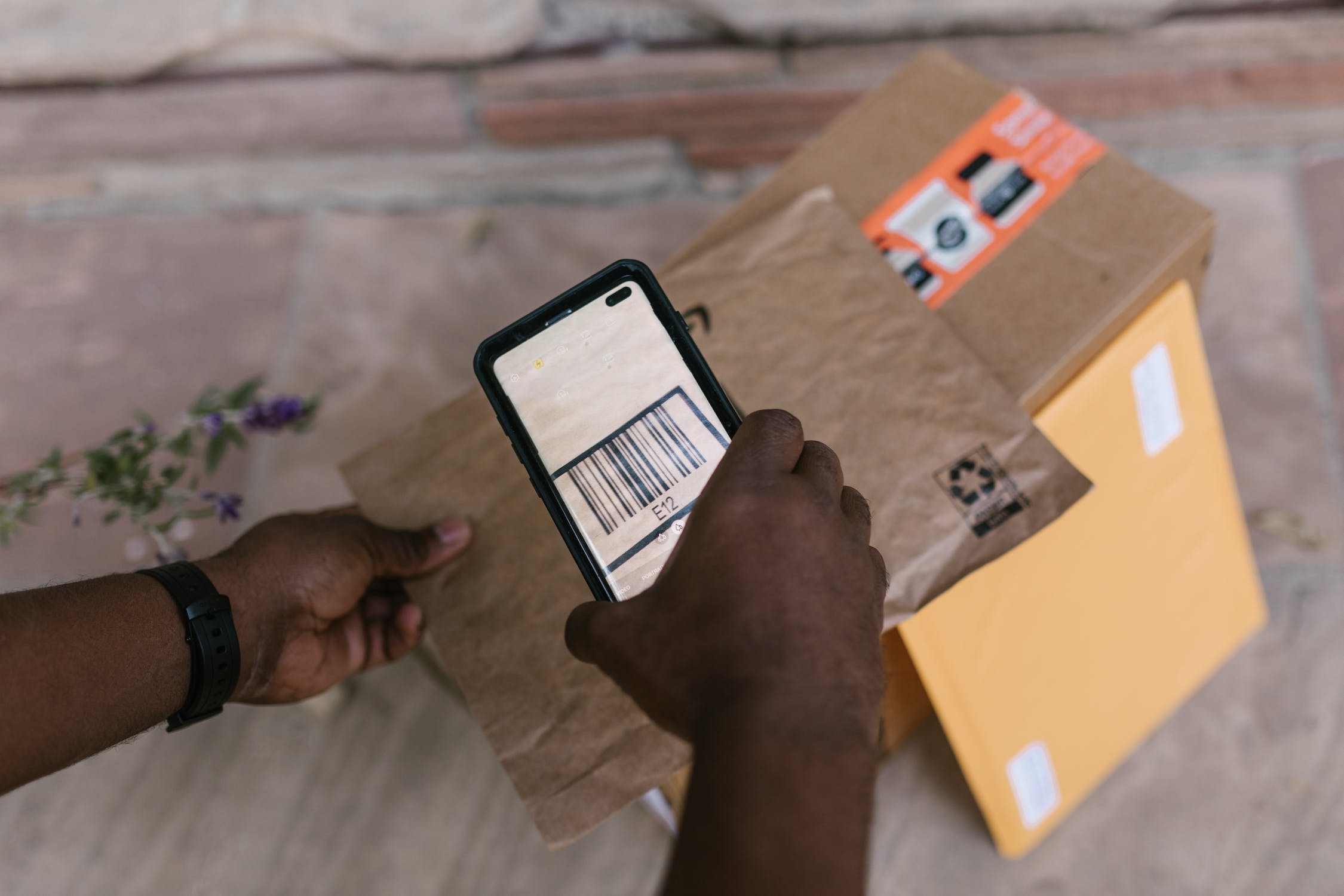
Barcode scanners integrated with POS systems read unique barcodes on products using either laser or imaging technology, translating the data into digital information the POS software can process. This eliminates the need for manual data entry, reducing errors and accelerating the checkout process, as detailed by KORONA POS.
Several POS systems currently lead the market in barcode scanner integration. KORONA POS is positioned as a leading overall solution, catering to retail, quick-service restaurants, and ticketing industries. It supports both 1D and 2D barcode scanners, offering versatility for diverse retail environments. Shopify POS offers integration with its e-commerce platform, providing a user-friendly interface and mobile POS capabilities, particularly suited for businesses expanding from online to physical retail. POS Nation provides customizable hardware bundles and 24/7 customer support, targeting specialized retailers like liquor stores and pet shops. Lightspeed POS is an all-in-one solution with multi-location support and advanced analytics, ideal for businesses in fashion, home goods, and hospitality. Square POS offers a free option with integrated payment processing and strong reporting, appealing to small- to medium-sized businesses.
The types of barcode scanners available also vary to suit different business needs. Laser scanners, the most common type, utilize a laser beam to read barcode patterns and are well-suited for UPC codes commonly found in retail stores. Linear imagers capture images of 1D barcodes using optical recognition, while 2D area imagers can scan stacked or 2D barcodes from any angle, making them useful for QR codes and mobile payments. The choice of scanner depends on the specific barcode formats a business frequently uses; grocery stores often rely on laser scanners, while warehouse operations may require 2D imagers for more complex barcode structures, according to ConnectPOS.
National Retail Solutions (NRS) emphasizes the benefits of barcode scanners at checkout, noting that they speed up transactions, improve accuracy, and enable real-time inventory tracking. Beyond simply scanning product codes, barcode scanners can also be used for ID scanning for age-verification compliance, with a subscription to a premium feature. The system’s ability to track inventory automatically reduces the manual workload for staff, allowing them to focus on customer service.
The implementation of barcode scanning technology extends beyond simply speeding up transactions. It provides valuable insights into sales and inventory, allowing retailers to create more informed decisions about stock levels and product placement. The ability to create custom-coded labels for in-store items without standard codes also offers flexibility for businesses with unique product offerings.
