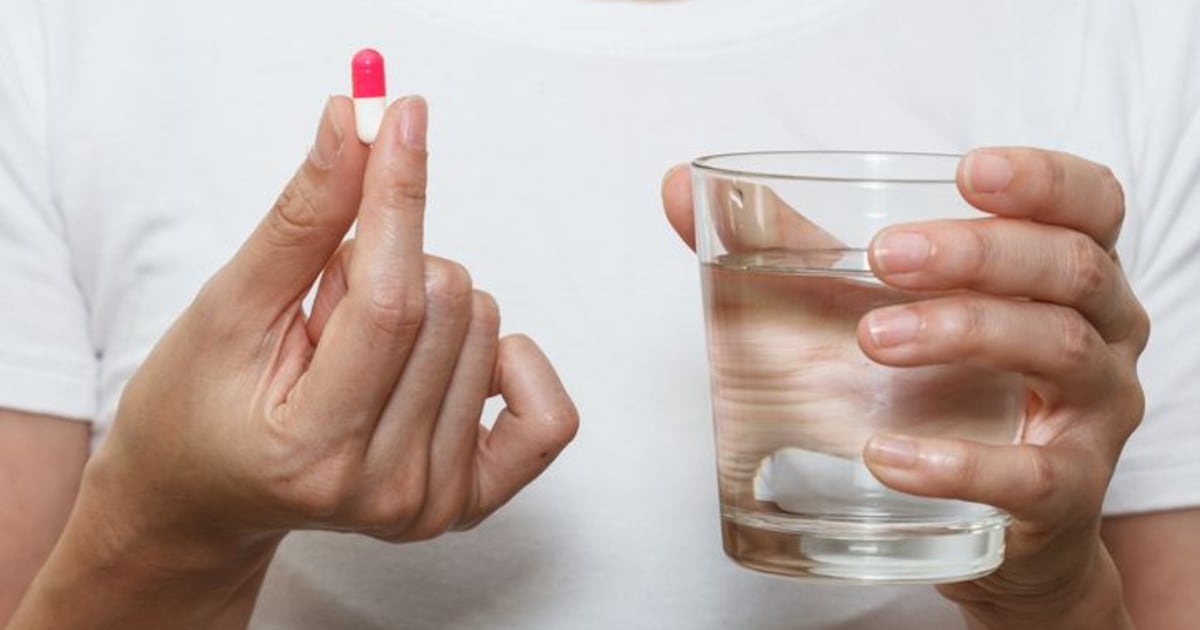
Best (and Worst) Liquids to Take Your Medications: What Science Says
A new study published in the Journal of Pharmaceutical Sciences confirms that the liquid used to swallow oral medications can significantly alter their absorption rates, with water remaining the safest and most effective choice for most pills—but apple juice, coffee, and milk may reduce efficacy by up to 50% in certain drugs, researchers warn.
The findings, led by pharmacology professor Dr. Emily Chen of the University of Toronto, challenge long-held assumptions about hydration alone determining drug effectiveness. “We’ve always told patients to take pills with water, but now we have hard data showing that some liquids can interfere with how the body processes active ingredients,” Chen told CTV News. The study tested 12 commonly prescribed medications—including statins, antibiotics, and antidepressants—across six beverages, measuring blood plasma levels over a 12-hour period.
Why does the liquid matter?
Researchers identified two primary mechanisms: pH interference and chemical binding. Citrus juices like orange juice, for example, can degrade acid-sensitive drugs such as esomeprazole (a heartburn medication) by up to 30%, according to the study’s lab tests. Meanwhile, dairy products like milk bind to tetracycline antibiotics, reducing their absorption by nearly 40%, per Clinical Pharmacology & Therapeutics data cited by the team.

Coffee emerged as the most disruptive beverage, cutting the bioavailability of levothyroxine (a thyroid hormone replacement) by 48% due to its polyphenol compounds competing for intestinal absorption pathways, Chen’s team reported. “Patients who rely on coffee for their morning routine might be inadvertently undermining their medication’s effectiveness without realizing it,” said Dr. Raj Patel, a gastroenterologist at Mount Sinai Hospital who reviewed the study.
Which drugs are most at risk?
The study highlighted three categories of medications where liquid choice matters most:

- Acid-sensitive drugs: Proton pump inhibitors (e.g., omeprazole), bisphosphonates (e.g., alendronate for osteoporosis), and some antidepressants (e.g., fluoxetine) perform poorly with acidic drinks like orange juice or tomato juice.
- Metal-ion chelators: Antibiotics like doxycycline and ciprofloxacin lose efficacy when taken with calcium-rich liquids (milk, yogurt) or iron supplements, per the American Journal of Health-System Pharmacy.
- Fat-soluble compounds: Drugs like griseofulvin (an antifungal) see improved absorption with high-fat meals but may fail entirely if taken with water alone, the study noted.
Health Canada and the U.S. Food and Drug Administration (FDA) have not yet updated their labeling guidelines, though the study’s authors are urging pharmacists to include beverage warnings on prescriptions. “This is a knowledge gap that could have real-world consequences for patient outcomes,” said Dr. Chen. “A 20% reduction in drug absorption might sound small, but for someone on a narrow therapeutic window—like warfarin or digoxin—it could mean the difference between efficacy and toxicity.”
What happens next?
Regulatory bodies are reviewing the findings, with the FDA’s Drug Safety Communication division confirming it will convene a panel in early 2025 to assess whether prescription labels should include standardized liquid recommendations. In the interim, pharmacists in Ontario and British Columbia have begun flagging high-risk medications in patient records, according to the Canadian Pharmacists Association.
For now, experts recommend patients consult their pharmacists or review the Drugs.com interaction checker for their specific medications. “If you’re on a critical medication, don’t assume water is always the answer—some drugs need to be taken on an empty stomach with a specific liquid,” said Dr. Patel. The study’s full dataset is available in the Journal of Pharmaceutical Sciences, with peer-reviewed validation pending.
No updates were immediately available from Health Canada or the World Health Organization regarding global guidance.