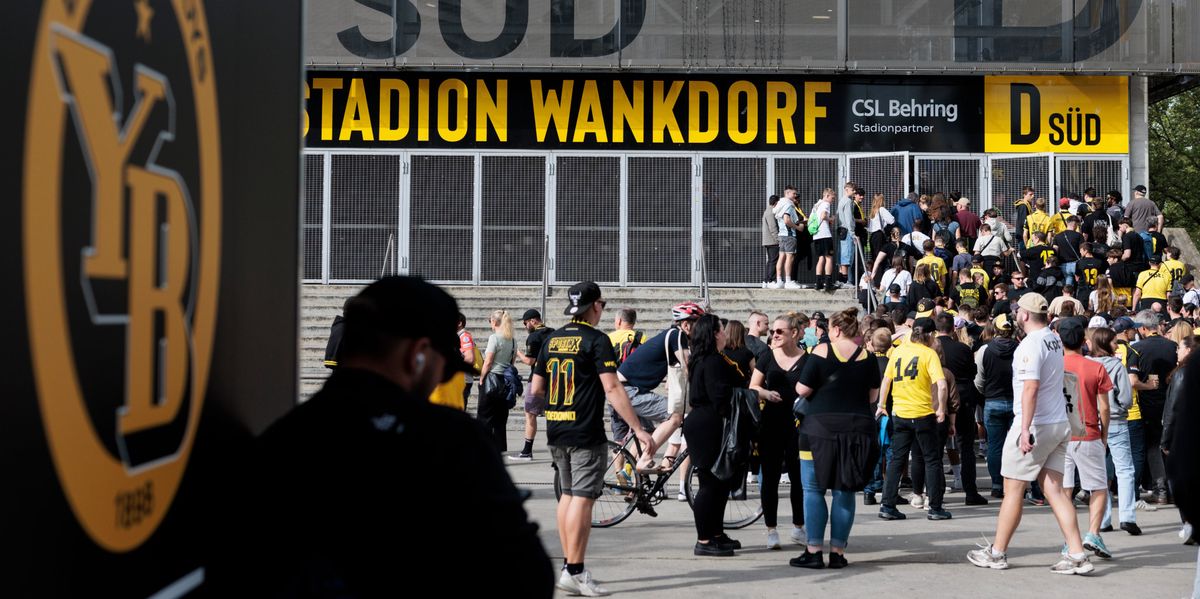
Bern Considers Personalized Tickets to Combat Fan Violence
The Bern Government Council is evaluating the implementation of personalized tickets for sporting events to combat fan violence, according to official statements released July 6, 2026. This measure aims to increase accountability by linking every ticket to a verified identity, allowing authorities to ban specific individuals from stadiums more effectively.
The move comes as a direct response to escalating tensions and violent outbreaks at high-profile matches. By removing the anonymity of ticket holders, the government believes it can deter hooliganism and streamline the process of identifying perpetrators after an incident. This shift represents a significant pivot in how the Canton of Bern manages public safety during mass gatherings.
It is a blunt instrument for a complex problem.
How will personalized tickets change stadium access?
Under the proposed system, a ticket would no longer be a transferable commodity. According to the Bern Government Council, the goal is to ensure that the person entering the stadium is the exact individual who purchased the ticket. This requires a verification process, likely involving government-issued identification, at the point of sale and again at the turnstile.
This approach mirrors strategies used in other European leagues to curb “ultra” violence. When tickets are personalized, the “blacklist” becomes a functional tool. If a fan is flagged for violent behavior, they are digitally barred from purchasing any future tickets, regardless of the venue or the match.
However, this creates a logistical burden for event organizers. Implementing such a system requires robust database management and real-time synchronization with police records. For sports clubs, the transition means investing in new ticketing software and increasing staffing for identity checks. Organizations specializing in digital security and identity management are becoming essential for clubs attempting to integrate these systems without causing massive bottlenecks at stadium entrances.
What are the legal and privacy implications in Switzerland?
The proposal triggers immediate concerns regarding the Swiss Federal Act on Data Protection (FADP). Linking personal identity to every attendance record creates a massive repository of behavioral data. Critics argue that this constitutes mass surveillance of law-abiding citizens to catch a small minority of offenders.
Legal experts suggest that the government must prove the “proportionality” of the measure. In Swiss law, a restriction on individual liberty or privacy must be necessary and the least intrusive means available to achieve the goal. If the government cannot prove that traditional policing is insufficient, the personalized ticket mandate could be challenged in court.
Fans facing bans or those wrongly flagged in the system will need specialized legal representation. Navigating the appeals process against administrative stadium bans often requires the expertise of civil rights attorneys or specialists in administrative law to ensure due process is followed.
The tension between collective security and individual privacy is the central conflict of this policy.
Why is Bern pursuing this now?
The decision is not an isolated event but a reaction to a pattern of violence that has strained local infrastructure. According to reports from the Bernese authorities, the cost of policing matches has risen as the volatility of fan groups increases. The government is seeking a way to shift the burden of security from the police—who must react to violence—to the ticketing system, which prevents the violent actor from entering the premises entirely.
This strategy focuses on “exclusion” rather than “containment.” Instead of deploying hundreds of officers to manage a volatile crowd, the state aims to prune the crowd of its most dangerous elements before they ever reach the city center.
This shift impacts the local economy in Bern. If high-risk matches are perceived as overly restrictive or “police-state” environments, casual fans and families may stop attending. This reduces revenue for local hospitality businesses, from pubs to hotels, that rely on the influx of thousands of visitors during match days.
Comparison of Security Approaches
The Bern government’s proposed direction contrasts with other common security models used across Europe:
| Method | Mechanism | Primary Goal | Main Drawback |
|---|---|---|---|
| Traditional Policing | Physical presence/crowd control | Immediate containment | High public cost; reactive |
| Personalized Tickets | Identity verification/Blacklists | Prevention of entry | Privacy concerns; bureaucratic |
| Fan ID Systems | National registry of supporters | Long-term tracking | High political resistance |
While traditional policing manages the symptom of violence, the Bern Government Council is attempting to treat the cause by removing the anonymity that emboldens violent actors.
The effectiveness of this plan depends entirely on the integrity of the data. If the blacklist is inaccurate or the verification process is easily bypassed by fraudulent IDs, the system becomes a performative gesture rather than a security upgrade.
As Bern moves toward a more monitored sporting environment, the intersection of technology and law will define the fan experience. Those caught in the crossfire of these new regulations—whether they are clubs struggling with compliance or fans fighting an unfair ban—will find that the only way through the bureaucracy is through verified professional guidance. Finding the right legal consultants to challenge these mandates will likely be the next major trend in Swiss sports law.