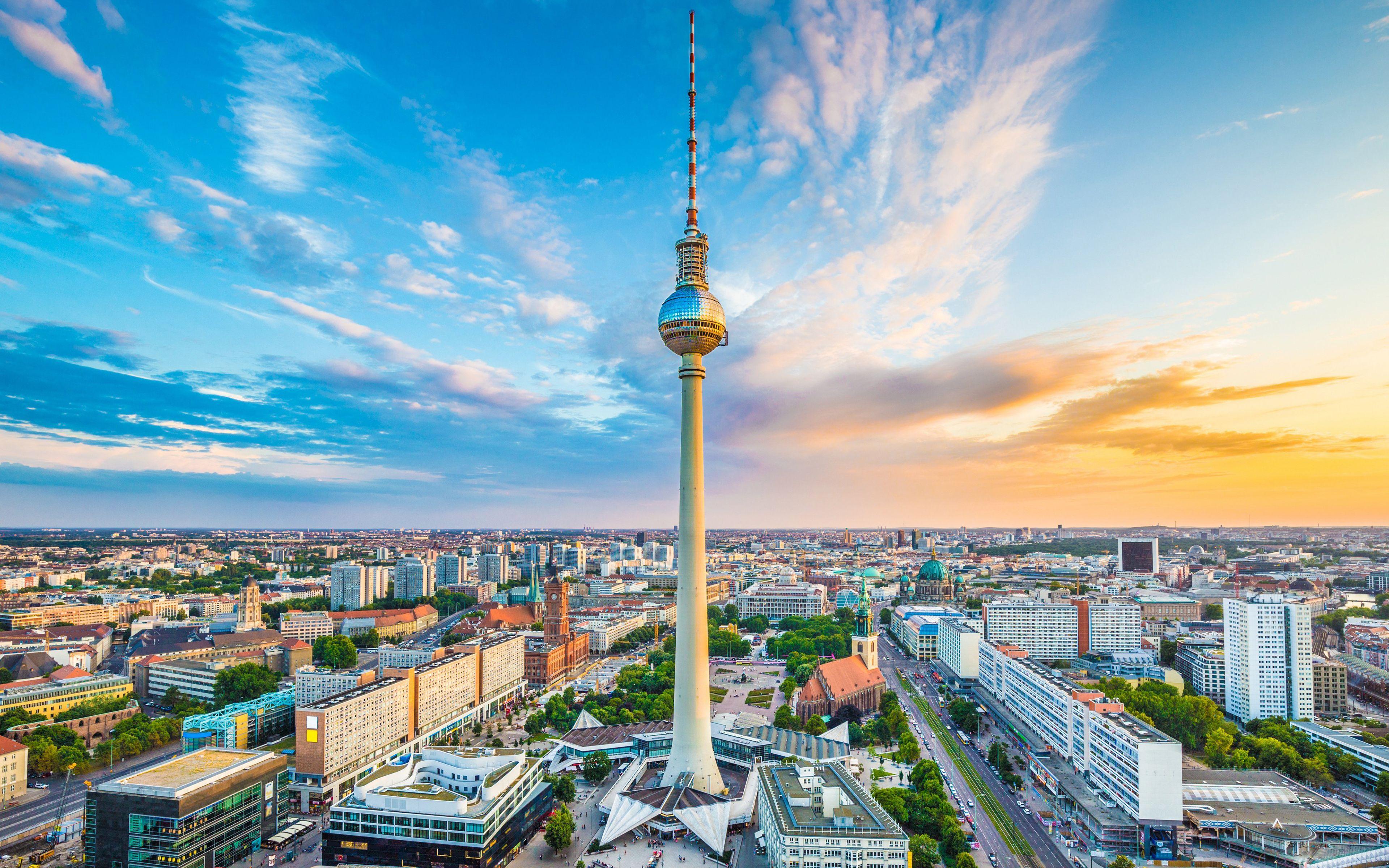
Berlin’s 34°C Summer: Europe Boiling
<>
As Europe faces intensifying heatwaves, the lack of widespread air conditioning infrastructure in cities like Berlin has emerged as a critical public health and urban planning challenge. With temperatures frequently exceeding 34°C, residential and commercial buildings designed for thermal retention are struggling to adapt to rapidly shifting climate patterns.
The Structural Vulnerability of European Urban Centers
The reliance on traditional building methods—often characterized by thick masonry and high thermal mass—was historically an asset in temperate climates. However, these structures are increasingly trapping heat during prolonged summer spikes. In Berlin, where temperatures reached 34°C last summer, the lack of mechanical cooling systems has transformed residential units into heat traps, leaving elderly residents and vulnerable populations at significant risk.
This phenomenon is not isolated to Germany. Across the European Union, the building sector accounts for approximately 40% of energy consumption, according to the European Commission’s Energy Performance of Buildings Directive. As cities attempt to modernize, the transition is complicated by strict historical preservation laws that limit the installation of external HVAC units on older facades.
The inability to mitigate indoor heat is creating a surge in demand for professional climate control solutions. Property owners are now forced to navigate a complex regulatory landscape that balances energy efficiency mandates with the immediate need for cooling. For those managing aging infrastructure, consulting with vetted HVAC engineering firms is essential to ensure that modern cooling systems meet both safety standards and historical preservation codes.
Macro-Economic Consequences of Thermal Inefficiency
The economic impact of this thermal crisis extends beyond individual discomfort. Productivity losses during heatwaves have become a measurable metric for municipal governments. When indoor temperatures consistently exceed 28°C, workplace performance declines, and health-related absenteeism rises. This has forced a reevaluation of commercial real estate standards.
According to the European Environment Agency, climate-related risks to infrastructure are projected to escalate, requiring billions in retrofitting investments. Developers are increasingly turning to specialized environmental consultants to assess the viability of passive cooling techniques, such as automated external shading systems and high-efficiency heat pumps, which are increasingly replacing traditional air conditioning units.
An urban planning consultant based in Berlin noted that the city’s infrastructure was designed for a different climate, highlighting the challenges of retrofitting apartments to adapt to current conditions.
Legal and Logistical Barriers to Retrofitting
Navigating the installation of cooling systems in European cities requires more than just hardware. It requires legal expertise to manage tenant rights and building code compliance. In many jurisdictions, tenants possess strong protections against unauthorized structural modifications, meaning that large-scale cooling projects require comprehensive legal oversight.
Landlords and property managers are finding themselves in a position where they must mitigate liability for heat-related health issues while complying with stringent environmental regulations. Engaging with qualified real estate attorneys is becoming a standard procedure to avoid litigation and ensure that all upgrades conform to local energy-performance certificates (EPCs), as outlined in the International Energy Agency’s reports on the future of cooling.
The Road Ahead: Adapting to a Warmer Continent
The “boiling Europe” narrative seen in media reports reflects a genuine shift in environmental realities. However, the solution is not simply to install air conditioning everywhere. The environmental cost of widespread, inefficient cooling could exacerbate the energy crisis and increase carbon footprints, which contradicts European climate goals.
Instead, the focus is shifting toward “cool roofs,” green facades, and district cooling networks that utilize water sources to lower ambient temperatures. These infrastructure projects require significant coordination between public utilities and private contractors. As cities continue to grapple with these challenges, the reliance on professional expertise—from energy auditors to specialized legal counsel—will only intensify.
The transition to a climate-resilient Europe is underway, but it is currently hampered by the sheer scale of the required renovations. For property owners and municipal leaders, the priority remains the same: protecting occupants while respecting the architectural legacy of the continent. Finding the right experts to manage this transition is the most critical step in safeguarding both human health and asset value in an era of unprecedented thermal volatility.
=== END ARTICLE ===