
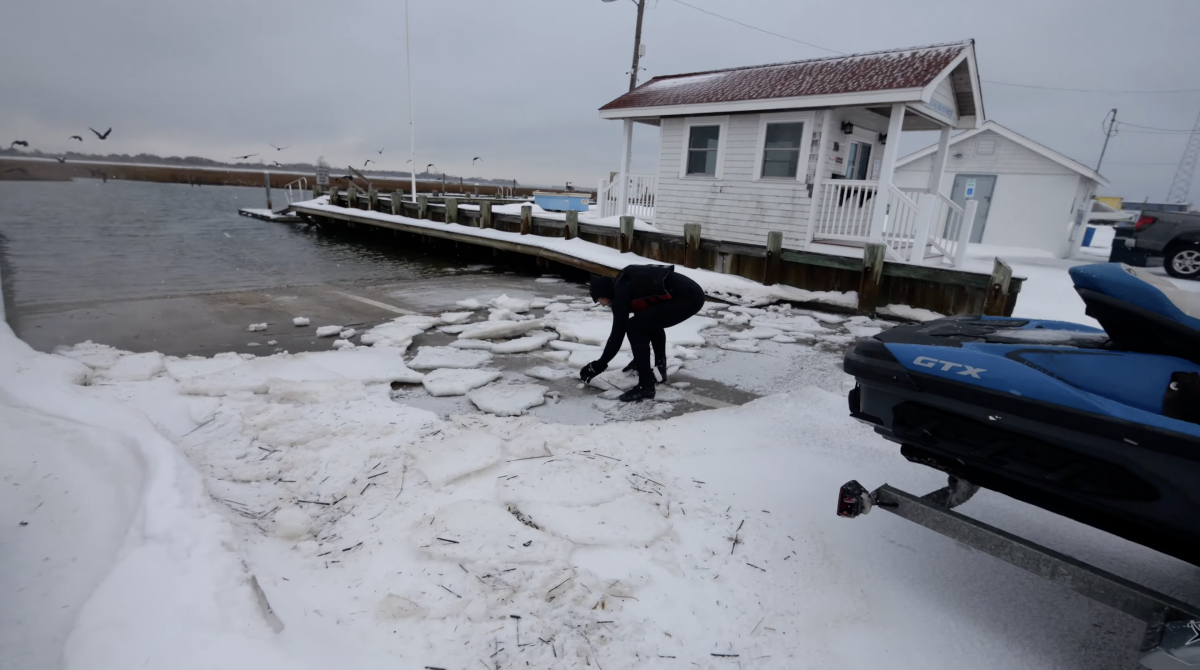
Braving the Freeze: New Jersey Surfers Tackle Sub-Zero Temperatures and Icy Waves
The allure of surfing often conjures images of warm, tropical waters and sun-drenched beaches. However, for a dedicated group of surfers in New Jersey, the sport is a year-round passion, even when faced with bone-chilling temperatures and icy conditions. Recently, a duo demonstrated remarkable resilience, taking to the waves despite air temperatures hovering around 24° Fahrenheit (feeling like 9°) and water temperatures a frigid 39°. their story highlights the commitment, planning, and unique challenges faced by cold-water surfers, and underscores the growing appeal of finding uncrowded waves in the off-season.
The Challenge of Cold-Water Surfing in the Garden State
New Jersey’s coastline, while offering consistent surf, is not typically associated with tropical warmth. During the winter months, the Atlantic Ocean transforms into a challenging habitat for surfers. The combination of cold air and water creates a significant physiological strain, demanding specialized equipment and a high level of physical and mental fortitude. https://www.surfer.com/news/snow-sleet-surf-hammer-new-jersey
The dangers extend beyond simply feeling cold. Prolonged exposure to frigid water can lead to hypothermia, a possibly life-threatening condition were the body loses heat faster than it can produce it. Symptoms include shivering, confusion, slurred speech, and loss of coordination.Cold shock, an immediate physiological response to sudden immersion in cold water, can cause involuntary gasping, hyperventilation, and even cardiac arrest. https://www.nps.gov/subjects/coldwater/safety.htm
Gear and Preparation: Surviving the Sub-Zero Surf
Successfully navigating these conditions requires meticulous preparation and the right gear. The surfers featured in the recent report relied on “step-offs” – launching from a ramp directly into the water – to avoid the discomfort of wading through icy shorebreak. This method, while efficient, still necessitates careful planning and a clear launch path free of ice.
Essential cold-water surfing equipment includes:
* Thick Wetsuits: Modern wetsuits are constructed from neoprene, a synthetic rubber that provides insulation.For New Jersey winter surfing,a 5/4mm or even 6/5mm wetsuit is standard,offering maximum warmth.
* Hoods, Gloves, and Booties: These accessories are crucial for protecting extremities, where heat loss is most rapid. Neoprene hoods, gloves, and booties significantly extend surfing time in cold water.
* thermal rashguards: Worn under the wetsuit, thermal rashguards provide an additional layer of insulation, trapping body heat.
* Surf-Specific Thermal Wear: Companies now offer specialized thermal wear designed for surfing, utilizing materials like merino wool or advanced synthetic fabrics to provide warmth and breathability.
* Emergency Equipment: A leash with a speedy-release mechanism, a whistle, and a brightly colored vest can be vital in case of an emergency.
Beyond gear, physical conditioning plays a vital role. Cold-water surfing demands a higher level of fitness to combat the physiological stress.regular exercise,including cardiovascular training and strength building,can improve the body’s ability to generate and retain heat. https://www.outsideonline.com/outdoor-adventure/surfing/cold-water-surfing-tips/
The Appeal of winter Surfing: Empty Lineups and Unique Conditions
Despite the challenges, manny surfers actively seek out winter waves. The primary draw is the significantly reduced crowds. popular surf breaks that are packed during the summer months become virtually deserted in the winter, offering a rare chance to surf without competition.
Moreover, winter storms can generate powerful and unique wave conditions. Nor’easters, intense storms that develop along the Atlantic coast, can produce large swells and challenging surf. These conditions are not for beginners, but experienced surfers relish the opportunity to ride powerful waves in a dramatic setting.
“At least the weather keeps the crowds at home,” as noted in a related report, encapsulates the sentiment of many cold-water surfers. https://www.surfer.com/news/snow-sleet-surf-hammer-new-jersey
Safety Considerations and Best Practices
Cold-water surfing demands a heightened awareness of safety. Surfers should never surf alone and should always inform someone of their plans, including their location and expected return time.
Key safety practices include:
* Buddy System: Always surf with a partner who can provide assistance in case of an emergency.
* Know Your Limits: Be realistic about your skill level and physical condition. Don’t attempt to surf waves that are beyond your capabilities.
* Monitor Conditions: Pay close attention to weather forecasts and surf reports. Be aware of potential hazards, such as strong currents, rip tides, and ice.
* Warm-Up Properly: Before entering the water, perform a
