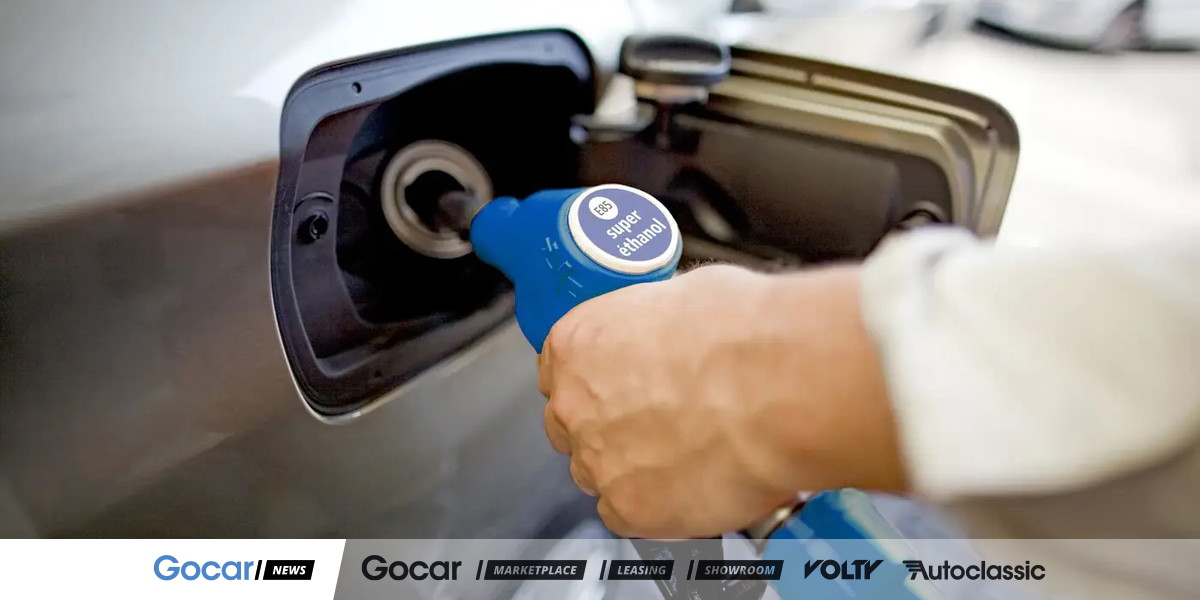
Belgium continues to study E85 fuel without permitting commercial sales
Superethanol E85 sells for approximately 0.83 euros per liter in France, yet Belgium continues to study the renewable fuel without permitting its commercial sale at domestic service stations. As geopolitical supply chain disruptions in the Strait of Hormuz drive gasoline and diesel prices upward, Belgian officials face renewed public pressure over household purchasing power and mounting inflationary pressures.
Crucke Echoes Past Promises on Fuel Inflation
Similar debates emerged in May when Crucke expressed intent to open the discussion, echoing promises made by preceding administrations during past periods of retail fuel inflation.
France Uses Bio-Ethanol to Support Agricultural Producers
The economic viability of E85 stems directly from agricultural self-sufficiency in France, where the bio-ethanol infrastructure serves as a primary processing market for surplus sugar beets and grains. France integrates the fuel not merely as a transportation alternative, but as a fiscal support mechanism for domestic agricultural producers. In contrast, Belgian enterprises produce significant quantities of bio-ethanol annually. Portions of that total volume supply domestic E10 gasoline blends, while producers export the remaining surplus. Expanding domestic output to accommodate an E85 retail market would require arable land acreage that Belgium simply lacks, a constraint exacerbated by the 2026 heatwave that severely damaged the domestic sugar beet harvest.

High Excise Duties Keep Belgian Fuel Prices High
Even if authorities were to approve the royal decree currently sitting dormant in administrative drawers, economic hurdles would prevent discounted fuel at the pump. The Belgian bio-ethanol sector estimates that an un-subsidized liter of E85 would retail above 2 euros, matching standard gasoline pricing. Low French consumer prices reflect deliberate tax policy rather than inherent fuel savings; France lowered ethanol excise duties to the European minimum of approximately 36 euros per 1,000 liters to assist its agricultural sector. Belgium maintains excise duties between 50 and 56 euros per 1,000 liters on ethanol, applying identical taxation to conventional fossil fuels. The Federal Public Service Finance acknowledges that existing legislation provides zero fiscal stimulus for biofuels, meaning a sub-euro fuel price remains unattainable without significant political intervention.
Belgian Law Permits Vehicles Modified for E85
While domestic commercial sale remains prohibited, Belgian law does not criminalize operating a vehicle on E85. These aftermarket installations cost between 500 and 600 euros for entry-level vehicles. Following installation, vehicle owners must legally declare the modification to the automotive inspection authorities and the Directorate for Vehicle Registration, mirroring the regulatory process required for liquefied petroleum gas systems. Meanwhile, broader legislative modifications took effect on October 1, 2026, altering dental verification requirements, energy contract discounting rules, public electric vehicle charging tariffs in Brussels, and prison overcrowding measures as reported across multiple regional outlets.