Beaver Supermoon Rises as First of Three Consecutive Full Moons
Skywatchers caught the first of three consecutive supermoons on Nov. 24, 2026, as the full Beaver Moon rose in the eastern sky at dusk.
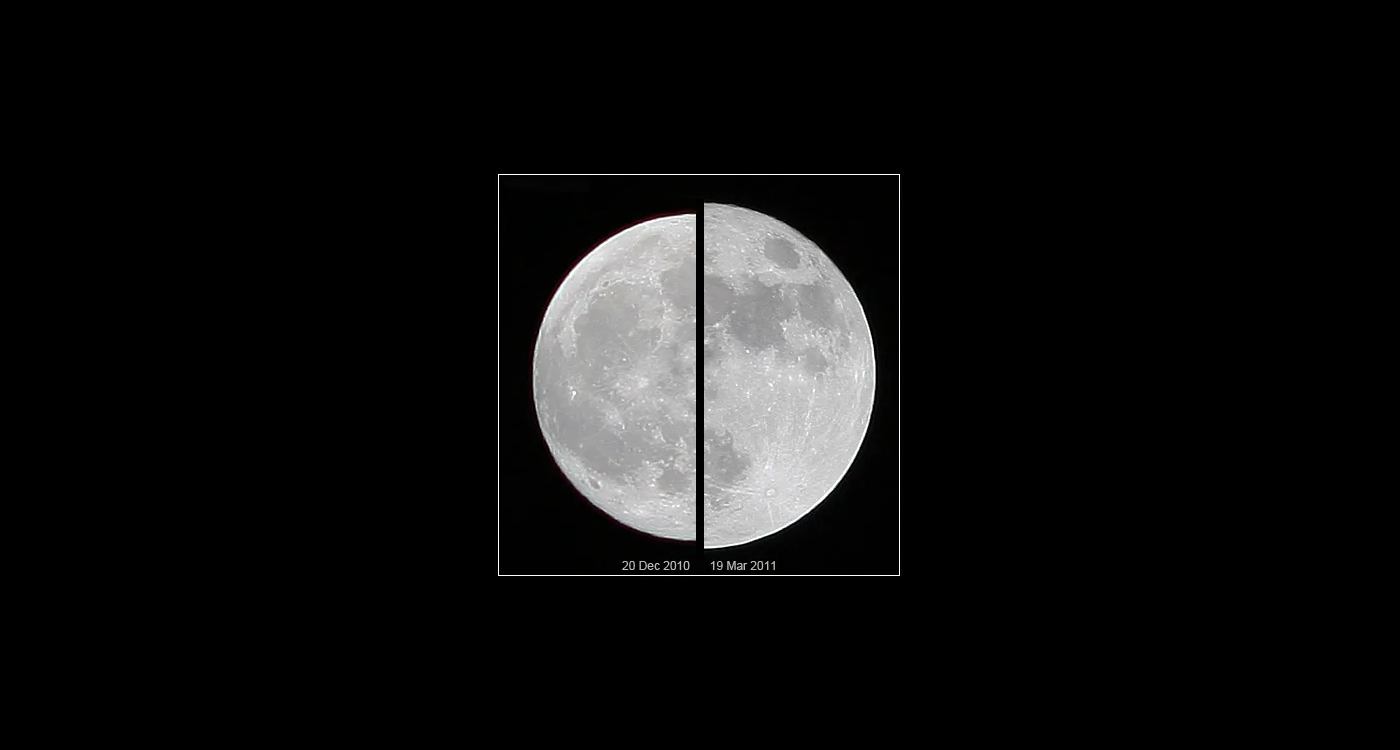
The lunar event marked the third and final full moon of fall in the Northern Hemisphere, occurring as the moon reached its full phase while near its closest point to Earth in its elliptical orbit.
While supermoons appear slightly larger and brighter than standard full moons, the physical difference remains subtle to the naked eye. Montreal-based space educator Trevor Kjorlien likened the visual variation to comparing a 15-inch pizza with a 16-inch pizza from across a room, Montreal Gazette reported.
🌕 If the skies are clear where you are, look up tonight for November’s Full Moon! Known as the Beaver Moon, its name comes from the time of year when beavers prepare for the winter ahead. Tonight’s Full Moon is also the first of three consecutive supermoons. With the Moon near… pic.twitter.com/DbTBesMhKI
“You probably would not notice the difference,” Kjorlien said.
Instead, viewers experience a distinct optical trick known as the moon illusion, which makes the lunar disk appear magnified near the horizon due to surrounding trees and structures, according to Good News Network.
Meanwhile, the moon’s prominent orange color stems from atmospheric light scattering. When the moon sits low, its light travels through a denser layer of air that diffuses shorter blue and violet wavelengths while leaving reds and oranges visible.
Will you be on the lookout for tonight's Beaver Supermoon? 🌕 It's shining about 13.5% brighter than an average full moon, so catch it rising in the east after sunset and share your best shot with us! pic.twitter.com/EtNAcVPcNa
Native American Names for the Moon
The Beaver Moon is not the only name used for November’s full moon. Native tribes, like the Dakota and Lakota, refer to it as the Deer Rutting Moon, according to Good News Network. The Cree people call it the Frost Moon, while the Tlingit know it as the Digging Moon, a reference to animals pawing the frozen ground for food, the same source reported.
The Anishinaabeg people in North America have their own term for this lunar event, calling it Baashkaakodin Giizis, which translates to the Freezing Moon, as noted by the Center for Native American Studies. These names reflect the seasonal changes and animal behaviours observed during this time of year.
At Kennedy Space Center, we're always looking up! 🌕 Keep your eyes on the sky for tonight's supermoon, shining bigger and brighter than usual, as the full Moon nears its closest point to Earth. pic.twitter.com/h3RsXkQYTm
Supermoon Photography Captured
Skywatchers around the world shared stunning images of the Beaver Supermoon.
Supermoon Tides and Upcoming Sights
The moon’s closer proximity also produced stronger gravitational pull on Earth’s oceans, creating higher tides. Environment and Climate Change Canada meteorologist Simon Legault explained that high atmospheric pressure over Quebec helped keep those tide heights in check, though an incoming low-pressure system and winds could still bring localized flooding to eastern Quebec over the weekend.

The November event serves as the opening chapter in a sequence of three consecutive supermoons, standing as the smallest of the trio. December’s upcoming cold supermoon will bring the lunar body even closer to Earth.
The final supermoon of 2026 rises in just a few short weeks on Dec. 23 and it just so happens to be the closest full moon of the year.
According to the Old Farmer’s Almanac, “this is the time of year when beavers begin to take shelter in their lodges, having laid up sufficient food stores for the long winter ahead.”
“Having seen the rather disappointing weather forecast for the night of the full moon, I decided to head out a day early and capture the almost-full Beaver Moon instead,” explained Dobrijevic.
“Just retain that thought until the summertime,” Kjorlien said.
More on Beaver Moon
Keep reading