
Fashion Shrinks: Tiny Accessories Dominate, But Cost Big
From micro bags to miniature water bottles, small is the new statement, signalling a shift in status symbols.
The era of statement accessories is undergoing a radical transformation. What was once a competition for the biggest and boldest is now a race to the smallest, with miniature fashion items capturing global attention and driving viral trends.
The Rise of the Micro Accessory
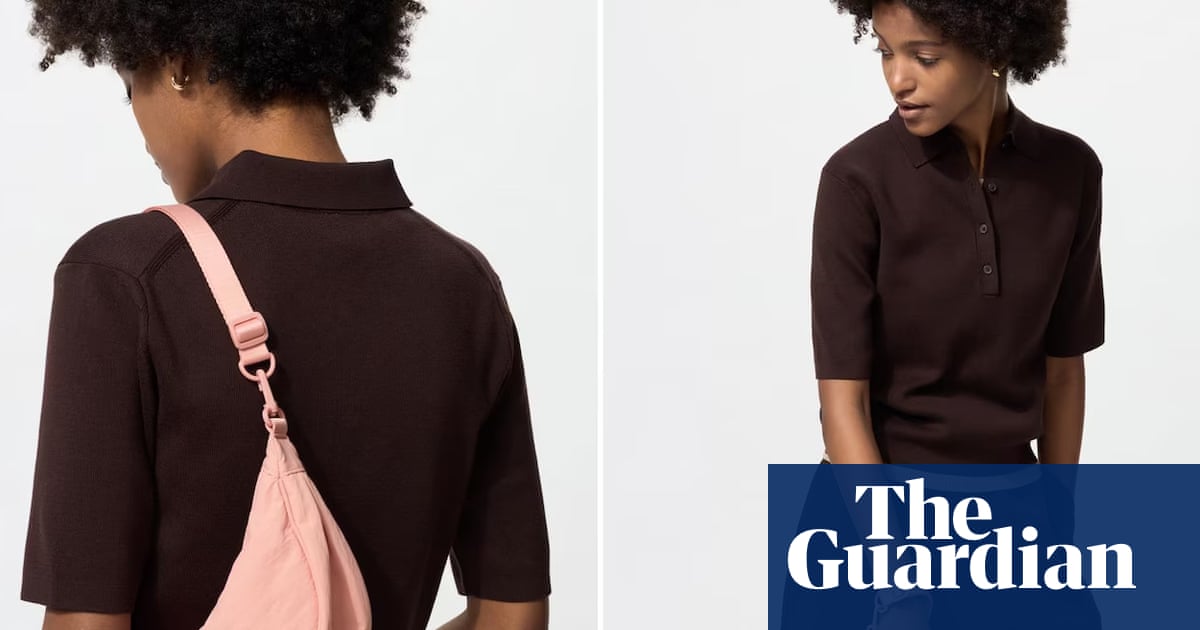
Uniqlo’s popular mini shoulder bag has spawned an even tinier offspring, a 21.5cm by 11.5cm version that fits neatly inside its larger predecessor. Similarly, a 200ml “Micro Hydro Mini” flask is creating a stir on TikTok. This palm-sized water bottle, a stark contrast to the oversized tumblers of recent years, sold out within 24 hours of its February launch and has seen repeated stockouts.
Even popular collectible items like Labubu dolls are shrinking. While originals stand around 17cm, keychain replicas measure just 2cm. Louis Vuitton’s **Pharrell Williams** has also debuted “LaVuVu” charms, 10cm-high bears dressed in miniature versions of his designer outfits, retailing at a hefty £915.
Practicality Meets Cuteness
The shift towards smaller accessories is partly driven by practicality. The need for “industrial-sized vats of water” is questioned, especially for everyday use. Shoppers praise the new micro Uniqlo bag for its convenience, holding essentials like phones, keys, and money without the bulk of its larger counterpart. “This is exactly what I needed to keep my phone, lipstick, key card and money on me all the time on holiday!” one reviewer noted.
Status Symbols Redefined
Beyond convenience, these miniature items represent a significant change in how status is communicated. Low-key accessories are becoming the new signifiers, supplanting overt branding. The original Uniqlo bag was named Lyst’s most popular bag of 2023, while the demand for Stanley cups led to queues and even customer altercations. The intense popularity of Labubu dolls even prompted some UK stores to remove them due to safety concerns over customer scrambles.
“Stuff” has gained new significance, with accessories themselves becoming canvases for further adornment. Bags are now “Birkenified” with keychains and plushies, while shoelaces sport charms like miniature croissants or pearls. Fans often attach these micro accessories to larger bags or belts, creating a layered aesthetic. This trend highlights a desire for personalization, turning everyday items into highly decorated personal statements.
Historically, small objects have always held appeal. In 17th-century Japan, men used carved “netsuke” to secure belongings to their belts, with tiny figures ranging from mushrooms to a 3cm wooden mouse. This practice demonstrates a long-standing human fascination with miniaturization.
The Psychology of Tiny
The online community widely describes these tiny accessories as “cute.” As senior curator **Claire Catterall** explains, “Cuteness often presents itself as small in order to appear unthreatening and trigger an emotional response.” This perceived harmlessness can foster a sense of comfort and control.
The TikTok trend for tiny water bottles is getting wild. #stanleycup #microstanley #tinythings pic.twitter.com/iEys1z82l0
— The Fashion Statement (@FashionStatement) June 1, 2024
The appeal of miniature items lies in their accessibility and perceived helplessness, making them comforting and non-threatening. This can provide a sense of solace in uncertain times, much like a child’s comfort toy. As **Stephanie M Langin-Hooper** notes in her research, “The miniature is so compelling because we can love it, and it cannot hurt us.”
Miniature objects can also serve as a “powerful tool for the subtle dissemination of social ideas and values.” In periods of upheaval, they offer a more manageable way to process potentially threatening real-world concepts. The current trend, however, may simply be driven by the undeniable power of cuteness in consumer culture. As **Catterall** puts it, “Cuteness certainly makes us consume more. It’s kind of what makes it tick. It needs us to want it.”
The popularity of these tiny items, often referred to by fans as “babies” or affectionately stroked like plushie charms, reflects a broader societal inclination towards seeking comfort and expressing identity through diminutive, charming accessories. This trend shows no sign of slowing down, proving that in the world of fashion, sometimes less truly is more impactful.
