
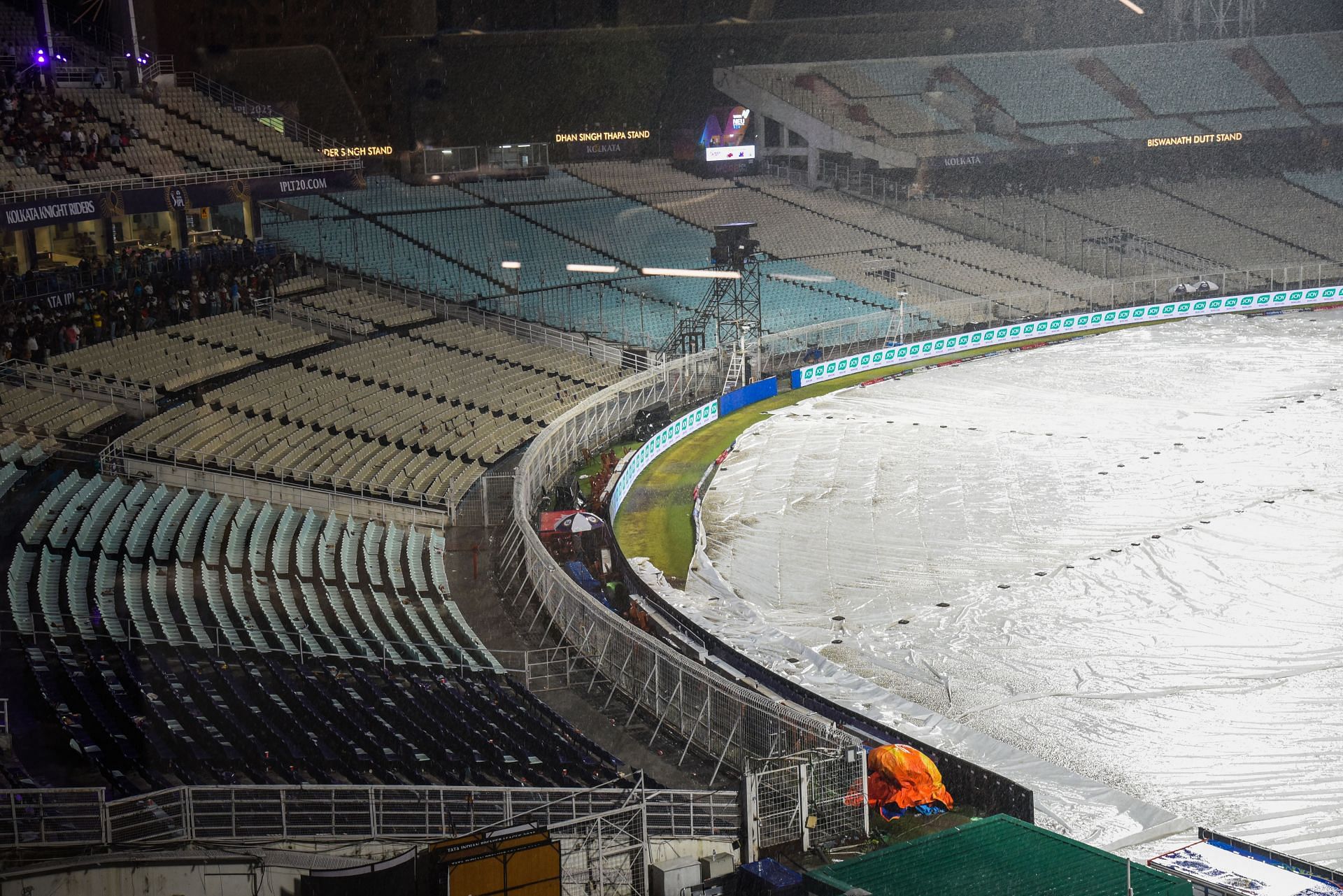
BCCI Moves Eden Gardens Final Due to Weather Concerns
The BCCI has shifted the high-stakes cricket final from Eden Gardens to Ahmedabad, citing critical weather concerns and potential rain disruptions. This strategic move ensures match completion and broadcast security but sparks intense debate over venue equity and the economic displacement of host cities during the championship push.
The decision to strip a venue of a final is never merely about a few rain clouds; it is a calculated risk-mitigation strategy played out in the billionaire boardroom. When the BCCI identifies a weather threat at Eden Gardens, they aren’t just worried about a delayed start—they are protecting a massive ecosystem of broadcast windows, sponsorship activations, and ticket guarantees. A rained-out final is a financial catastrophe that triggers complex refund protocols and diminishes the peak viewership numbers that drive league valuations upward.
From a front-office perspective, the move to Ahmedabad represents a shift toward “guaranteed delivery.” The league is prioritizing the certainty of a result over the tradition of the venue. This creates a systemic problem for host cities that lose these marquee events: a sudden vacuum in local hospitality demand and a collapse in projected regional tourism revenue. While the league secures its bottom line, the local economy suffers a sharp contraction in short-term spending.
The Operational Calculus: Risk vs. Reward
To understand why Ahmedabad becomes the default sanctuary for these finals, one must look at the operational delta between a traditional iconic venue and a modern mega-stadium. The decision-making process relies on a matrix of infrastructure reliability and capacity maximization. When weather volatility increases, the league pivots to the venue with the lowest probability of a “no-result” outcome.
| Operational Metric | Eden Gardens (Risk Profile) | Ahmedabad (Mitigation Profile) |
|---|---|---|
| Drainage Efficiency | Variable; susceptible to saturation | State-of-the-art rapid drainage |
| Weather Stability | High Monsoon vulnerability | Historically higher stability |
| Revenue Ceiling | High (capped by capacity) | Maximum (industry-leading capacity) |
| Broadcast Security | High risk of window slippage | Optimized for scheduled delivery |
This operational pivot creates a logistical nightmare for the teams and staff involved. The sudden relocation of a final requires a total overhaul of travel itineraries and security detail. For the franchises, this isn’t just about flights; it’s about maintaining the athletes’ peak physical state during a high-stress transition. This is where the gap between professional infrastructure and amateur preparation becomes evident. While the pros have dedicated travel coordinators, local clubs and semi-pro teams facing similar logistical upheavals often struggle without access to premium hospitality vendors who can pivot operations on a 48-hour notice.
Tactical Whiteboard: Pitch Degradation and the Dew Factor
Beyond the balance sheets, the move to Ahmedabad fundamentally alters the tactical approach to the game. A final is won or lost in the death overs, and the surface at the new venue offers a different set of variables than those found at Eden Gardens. Analysts focus heavily on the dew factor—the moisture that settles on the grass in the evening, making the ball slippery for bowlers and altering the grip required for precise yorkers.

In Ahmedabad, the pitch curvature and soil composition often lead to different strike rate expectations. A captain’s decision at the toss becomes a high-stakes gamble: do you bat first to avoid the dew-slicked outfield during the chase, or do you bowl first to leverage the early moisture? The data shows that in high-capacity modern venues, the pressure of the crowd can impact the economy rate of inexperienced bowlers, making the “death-over specialist” more valuable than ever.
“When you move a final, you aren’t just changing the zip code; you are changing the physics of the game. The shift in humidity and pitch hardness can turn a dominant batting side into a struggling unit if they haven’t calibrated their strike rotation to the specific bounce of the new surface.”
The reliance on advanced metrics—such as dot-ball percentages and boundary-hit probabilities—allows coaching staffs to simulate the Ahmedabad environment. However, these simulations cannot account for the psychological toll of a venue change. The shift in atmosphere from the historic intensity of Eden Gardens to the sheer scale of Ahmedabad changes the mental load on the players, often favoring teams with a more robust psychological support system.
The Economic Ripple Effect and Legal Fallout
The displacement of a final creates a legal and financial vacuum. Ticket holders, hotel operators, and local vendors in the original host city are left with unsold inventory and broken contracts. This is where the intersection of sports and law becomes critical. The “Force Majeure” clauses in venue contracts are put to the test when a league decides that “potential” weather concerns are enough to justify a relocation.
For the businesses caught in the crossfire, the loss of a final isn’t just a missed opportunity; it’s a balance-sheet hit. Local hospitality sectors often over-leverage themselves in anticipation of the crowd surge. When the event moves, the resulting financial instability often requires the intervention of specialized sports contract attorneys to negotiate settlements between venue operators and the governing body.
the move highlights a growing disparity in stadium infrastructure. The league’s preference for Ahmedabad is a tacit admission that older, iconic venues are failing to keep pace with the demand for “weather-proof” sports entertainment. This creates a market incentive for other cities to invest in stadium infrastructure consultants to modernize their drainage and turf management systems if they hope to remain competitive in the bidding process for future finals.
As the league continues to prioritize revenue security and broadcast certainty over regional tradition, the “Ahmedabad Default” will likely become a permanent fixture of the sporting calendar. The challenge for the BCCI will be balancing the cold logic of the boardroom with the emotional heartbeat of the fans who view Eden Gardens not just as a venue, but as a cathedral of the sport. The trajectory is clear: the future of sports hosting belongs to the venues that can guarantee the game happens, regardless of what the clouds say.
For those looking to navigate the complex intersections of sports business, from securing the right legal representation for contract disputes to upgrading facility infrastructure, the World Today News Directory provides a curated gateway to the professionals who keep the game running behind the scenes.
Disclaimer: The insights provided in this article are for informational and entertainment purposes only and do not constitute medical advice or sports betting recommendations.