BC Government Exempts BC Hydro to Boost Natural Gas Growth in South Peace
The B.C. government has exempted BC Hydro from a key regulatory requirement, accelerating electrical upgrades to unlock as much as $3 billion in natural gas investment.
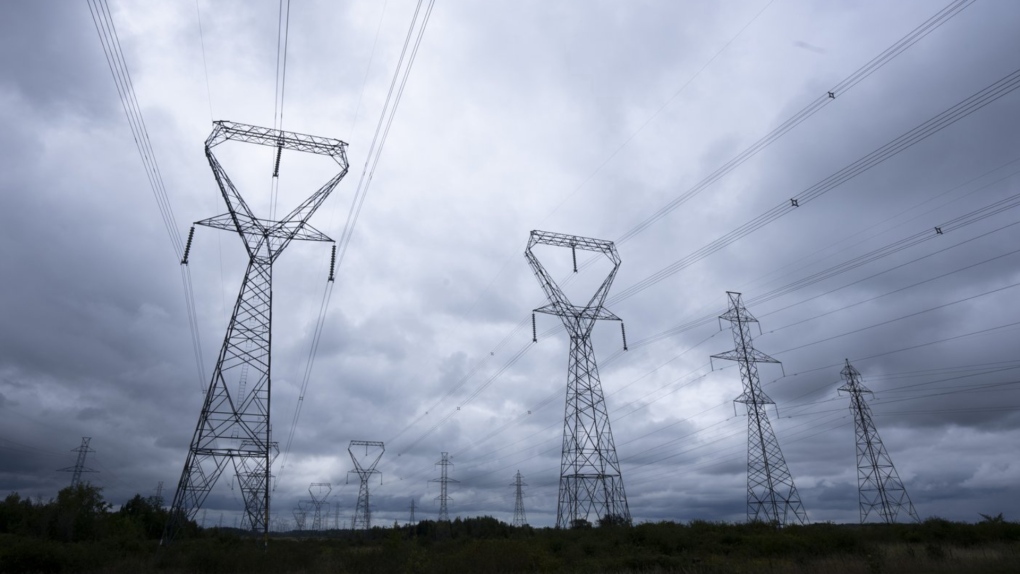
The move clears the way for BC Hydro’s South Peace System Reinforcement Project, which will upgrade transmission lines and substations to increase electricity capacity in the region. BC Gov News reported the exemption will help deliver additional power sooner, addressing constraints that have prevented some industrial customers from advancing projects.
“Our commitment to make B.C. an energy superpower starts in the South Peace,” said Larry Neufeld, Minister of Energy, Mines and Petroleum Resources. “We’re going to double natural gas production by 2032 and triple it by 2035. We will get this province back on track, welcoming investment, creating jobs and supporting the services British Columbians depend on. B.C. is open for business again, and it’s going to become the fastest place in North America to permit an LNG facility.”

The additional capacity is expected to support multiple new or expanded gas production and processing facilities. A major beneficiary is NorthRiver Midstream, which plans to expand its West Doe Gas Plant northwest of Dawson Creek. The company aims to increase the plant’s processing capacity from 100 million to 400 million cubic feet per day in a project valued at $500 million, BC Gov News reported.
Together, the unlocked developments could represent up to $3 billion in industrial investment and support up to 900 million cubic feet per day of additional natural gas capacity, the government estimates. This industrial activity is projected to contribute as much as $8.8 billion in gross domestic product over the lifetime of the projects.
The South Peace System Reinforcement Project will upgrade the Dawson Creek and Bear Mountain substations, allowing two existing 138-kilovolt transmission lines to operate at 230 kilovolts. This increase in capacity will be achieved without building new transmission lines. BC Hydro plans to begin work in 2028, with the system in service by 2030, cjdctv.com reported.
This approach aims to attract investment, create jobs, and expedite permitting for LNG facilities, positioning British Columbia as the fastest location in North America for such projects, BC Gov News reported.
Additionally, the province’s economy relies heavily on key sectors like forestry, mining, and natural gas exports, with the Port of Vancouver serving as Canada’s largest and most diversified port, supporting its significant role in maritime trade and industrial growth.
The announcement drew criticism from the Canadian Association of Physicians for the Environment. Vancouver family physician Melissa Lem questioned whether BC Hydro ratepayers should bear the cost of infrastructure benefiting global gas companies.
“Are everyday residents of British Columbia, as ratepayers into BC Hydro, paying for this electricity expansion that will benefit global gas companies while B.C.’s underfunded healthcare system continues to suffer from frequent ER closures?” Lem said.