
BBC Seeks Dismissal of Trump’s $10 billion Defamation Lawsuit
LONDON (AP) – The British Broadcasting Corporation (BBC) is preparing to vigorously defend itself against a $10 billion lawsuit filed by former U.S. President Donald Trump. The lawsuit,filed in a Florida federal court in December,centers around the BBC’s editing of a segment from Trump’s January 6,2021,speech,and alleges $5 billion in damages for defamation and another $5 billion for unfair trade practices.
The Core of the Dispute: Editing and Context
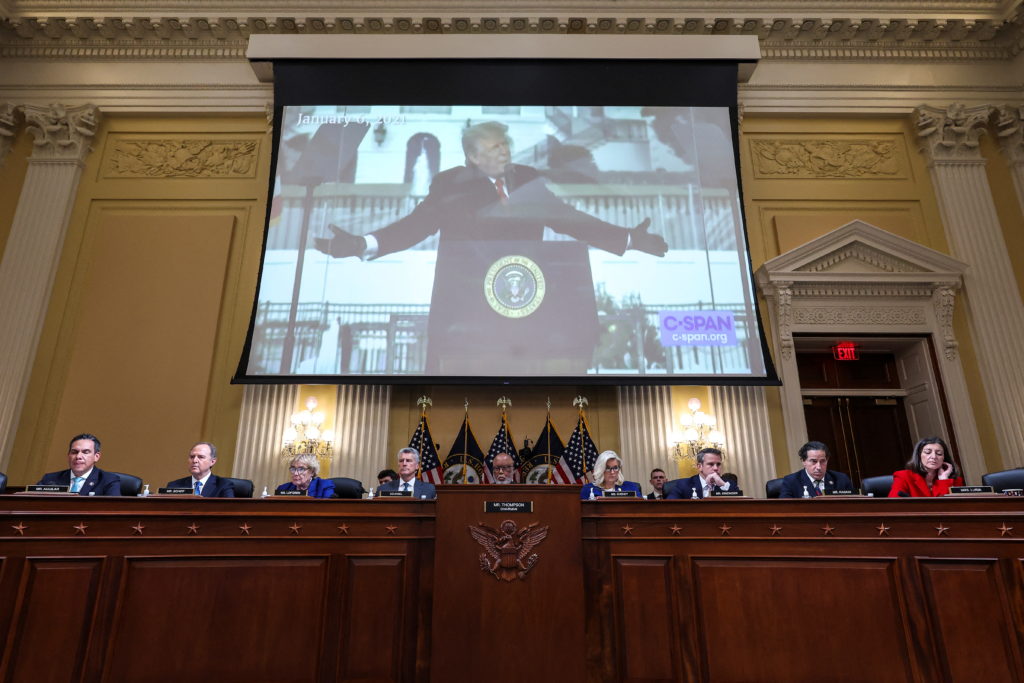
At the heart of the legal battle is a documentary titled “Trump: A Second Chance?” broadcast by the BBC shortly before the 2024 U.S. presidential election. The documentary featured excerpts from Trump’s speech delivered on January 6, 2021, shortly before the storming of the U.S. Capitol. The BBC edited together quotes from different parts of the speech,creating the impression that Trump directly urged his supporters to march on the Capitol and “fight like hell.” Critically, the edited version omitted a segment where Trump explicitly called for peaceful presentation.
This editing choice drew immediate criticism, prompting an apology from the BBC, although the broadcaster maintains it did not defame Trump. The controversy led to the resignations of the BBC’s director-general and its head of news,highlighting the severity of the internal fallout.
BBC’s Legal Strategy: Jurisdiction and ‘Actual Malice’
The BBC is set to file a motion to dismiss the case on march 17th, arguing on two primary grounds. First, the BBC’s lawyers contend that the U.S. court lacks jurisdiction as the documentary was not created, produced, or broadcast within Florida. They further dispute Trump’s claim that the documentary was readily available to U.S. audiences thru the streaming service BritBox.
Secondly, the BBC will argue that Trump has failed to demonstrate “actual malice” on the part of the broadcaster. In the U.S. legal system, actual malice requires proving that the publisher knowingly published false statements with a reckless disregard for whether those statements were false. Given Trump’s already contentious public image and subsequent indictment on related charges, the BBC believes it can plausibly argue it did not act with the required level of intent.
Damages and Legal Precedent
Attorney Charles Tobin, representing the BBC, asserted that Trump is unlikely to prove significant damages. He pointed to Trump’s strong performance in the 2024 election—winning reelection and significantly improving his margin in Florida—as evidence that the documentary did not harm his political standing. Tobin also noted that Trump’s reputation was already under scrutiny following his indictment on charges related to efforts to overturn the 2020 election results, including allegations of inciting the Capitol riot.
The Finding Process and Potential Timeline
The BBC has requested the court postpone the “discovery” phase of the lawsuit—the process where both parties exchange information and evidence—pending a ruling on the motion to dismiss.Discovery could involve the extensive review of emails and other internal documents, posing a important burden on the BBC.
Should the motion to dismiss fail, a trial date has been tentatively set for 2027. This lengthy timeline underscores the complexity of the case and the potential for prolonged legal proceedings. The BBC, though, remains steadfast in its intention to defend the lawsuit, stating, “As we have made clear previously, we will be defending this case. We are not going to make further comment on ongoing legal proceedings.”
Broader Implications: Press Freedom and Political Speech
This case raises important questions about the boundaries of journalistic editing, the standards for defamation claims, and the protection of press freedom. The outcome could have significant implications for how news organizations report on political figures, notably during election cycles.
This story will continue to develop as the legal proceedings unfold.
