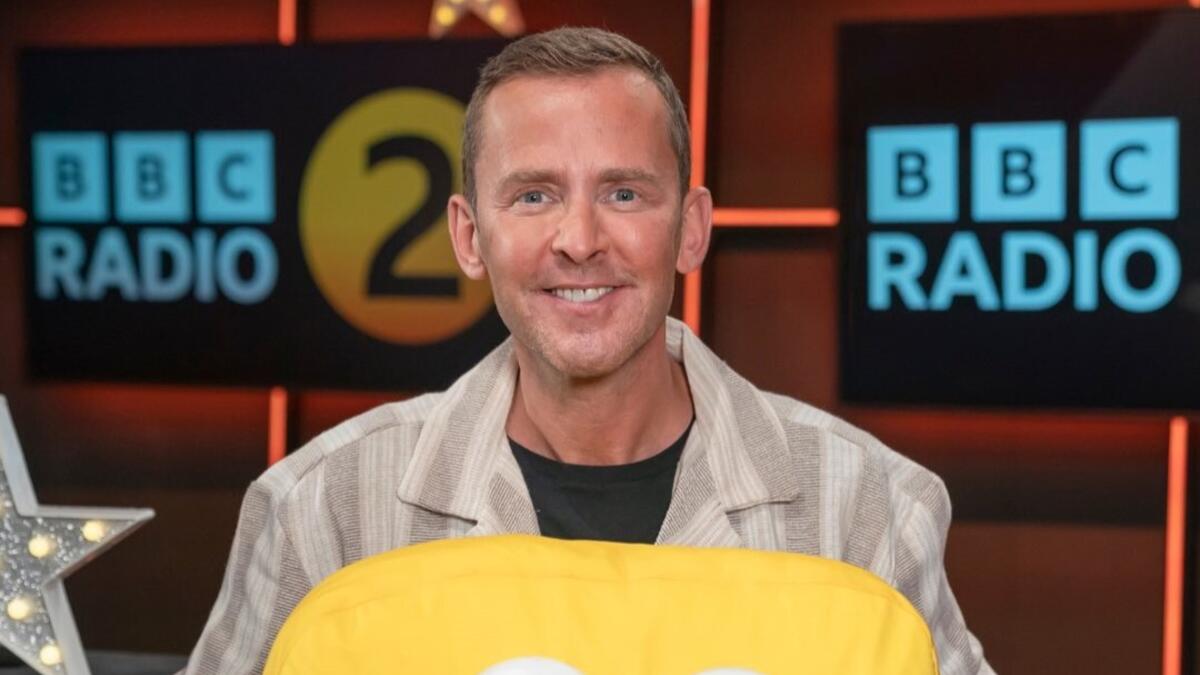
BBC demite apresentador investigado há anos por agressão sexual a adolescente
Scott Mills Dismissal: A Case Study in Institutional Risk and Delayed Crisis Management
Scott Mills, a staple of BBC Radio 2, was terminated on March 27, 2026, following the resurfacing of a closed 2018 police investigation into historical sexual offenses against a minor. The broadcaster faces intense scrutiny over its delayed response to information held since 2017, raising critical questions about institutional safeguarding protocols and crisis management efficacy within the UK’s public service media landscape.
The dismissal of Scott Mills is not merely a personnel adjustment; it is a stark revelation of the “Savile Shadow” that continues to haunt British public broadcasting. As the dust settles on this abrupt termination, the industry is left parsing the timeline of negligence. Mills, 53, was a fixture on the morning show, a slot that commands significant brand equity and listener loyalty. Yet, the BBC’s admission that they were informed of a police investigation in 2017—yet kept Mills on air until March 2026—suggests a catastrophic failure in duty of care and risk assessment. This is no longer just about one presenter; it is a systemic audit of how legacy media giants handle historical liability.
The Timeline of Liability
The mechanics of this scandal reveal a dangerous gap between knowledge and action. According to the Metropolitan Police confirmation, Mills was questioned in 2018 regarding alleged “serious sexual offenses” against a person under 16, with the incidents dating back to the late 1990s. While the Crown Prosecution Service deemed the evidence insufficient for charges in 2019, closing the criminal file, the corporate file tells a different story. The BBC acknowledges receiving intelligence on this investigation as early as 2017.

In the high-stakes world of media employment, keeping a talent on payroll while aware of such allegations is a fiduciary gamble. When a broadcaster retains a figure under a cloud of historical abuse, they are essentially betting that the statute of limitations on public outrage has expired. It hasn’t. The pressure cooker exploded only when the British press began connecting the dots between Mills’ sudden departure and the dormant police file. This delay transforms a personnel issue into a reputational crisis that threatens the broadcaster’s license to operate as a trusted public service.
“In the post-Savile era, ‘plausible deniability’ is no longer a valid defense for media conglomerates. If HR or Legal knew in 2017, the organization is now liable for every pound of advertising revenue and every minute of airtime granted to that individual since then. This isn’t just PR; it’s a governance failure.”
— Eleanor Vance, Senior Media Litigation Partner, Vance & Sterling LLP
The immediate reaction from the BBC—a spokesperson stating they are trying to “understand exactly what was known”—is the standard corporate deflection. However, for stakeholders and advertisers, the damage is quantifiable. Radio 2 relies on a demographic that values stability and trust. When that trust is breached by the retention of an accused individual, the audience churn can be immediate and severe. We are seeing a pattern where the “wait and see” approach to allegations is being replaced by a zero-tolerance policy, driven not by morality, but by the sheer cost of inaction.
The Business of Reputation Management
When a brand deals with this level of public fallout, standard statements do not work. The studio’s immediate move must be to deploy elite crisis communication firms and reputation managers to stop the bleeding. The narrative has already shifted from “Scott Mills is innocent until proven guilty” to “The BBC knew and did nothing.” Reclaiming that narrative requires a forensic overhaul of internal communications, not just a press release.
This situation highlights the critical need for specialized legal counsel in the entertainment sector. The intersection of employment law, criminal investigation data, and public broadcasting regulations is a minefield. Organizations facing similar historical exposure require specialized employment and media litigation attorneys who understand the nuances of “constructive dismissal” and the liabilities of retaining talent under investigation. The cost of settling with Mills, or defending against potential lawsuits from victims or angry listeners, will likely dwarf the cost of preventative legal counsel.
the BBC’s struggle mirrors a broader industry trend where historical conduct is re-evaluated through a modern lens of safeguarding. This isn’t unique to the UK; Hollywood studios and US networks face identical pressures. The difference lies in the speed of the response. In the US market, the Me Too movement accelerated the termination of accused figures almost instantly upon allegation. The BBC’s nine-year lag suggests a cultural inertia that is increasingly incompatible with modern corporate governance standards.
Systemic Risks in Public Broadcasting
The Mills case is the latest chapter in a grim anthology for the BBC. Following the scandals involving Jimmy Savile, Russell Brand, Tim Westwood, and Huw Edwards, the corporation is suffering from brand fatigue. Each new revelation erodes the “trust dividend” that public broadcasters rely on to justify license fees and public funding. When the public perceives an institution as a protector of abusers rather than victims, the social contract is broken.

To mitigate this, media organizations must integrate rigorous background vetting and continuous monitoring into their talent contracts. This goes beyond standard criminal record checks; it requires a proactive intelligence network. This is where the role of corporate background check and vetting services becomes paramount. Relying on police files that may be closed due to “insufficient evidence” is a legal loophole, not a safety net. A comprehensive vetting strategy looks at the totality of behavior, not just the conviction record.
The financial implications extend to the talent themselves. For Mills, the termination likely triggers complex clauses regarding morality and conduct in his contract. If the BBC can prove he withheld information or breached trust, they may seek to recover damages. Conversely, if Mills claims wrongful termination based on the lack of criminal charges, the BBC faces a costly tribunal. This legal tug-of-war distracts from the core mission of the broadcaster: content creation.
The Path Forward: Governance Over Gossip
As the industry watches the BBC navigate this storm, the lesson is clear: transparency is the only currency that holds value in a crisis. Attempting to bury historical investigations is a strategy that inevitably fails in the digital age, where information is permanent and searchable. The “Information Gap” that allowed Mills to remain on air for nearly a decade after the initial police contact is a failure of internal data flow. It suggests that the left hand of the BBC (HR/Legal) was not talking to the right hand (Programming/Management).
Moving forward, we expect to see a surge in demand for compliance officers and ethics consultants within media firms. The era of the “untouchable star” is over. In its place is a rigid framework of accountability where the brand’s survival depends on its ability to self-police. For the BBC, the road to recovery involves more than just firing a presenter; it requires a public autopsy of their decision-making processes to restore faith in their governance.
The Scott Mills dismissal is a cautionary tale for the entire entertainment ecosystem. It proves that in the court of public opinion, the timeline of justice is irrelevant; the timeline of perception is everything. For media executives, the mandate is simple: if the risk is known, the action must be immediate. Anything less is an invitation to disaster.
For more insights on navigating media scandals, legal liabilities, and corporate governance in the entertainment sector, explore our curated directory of vetted professionals.