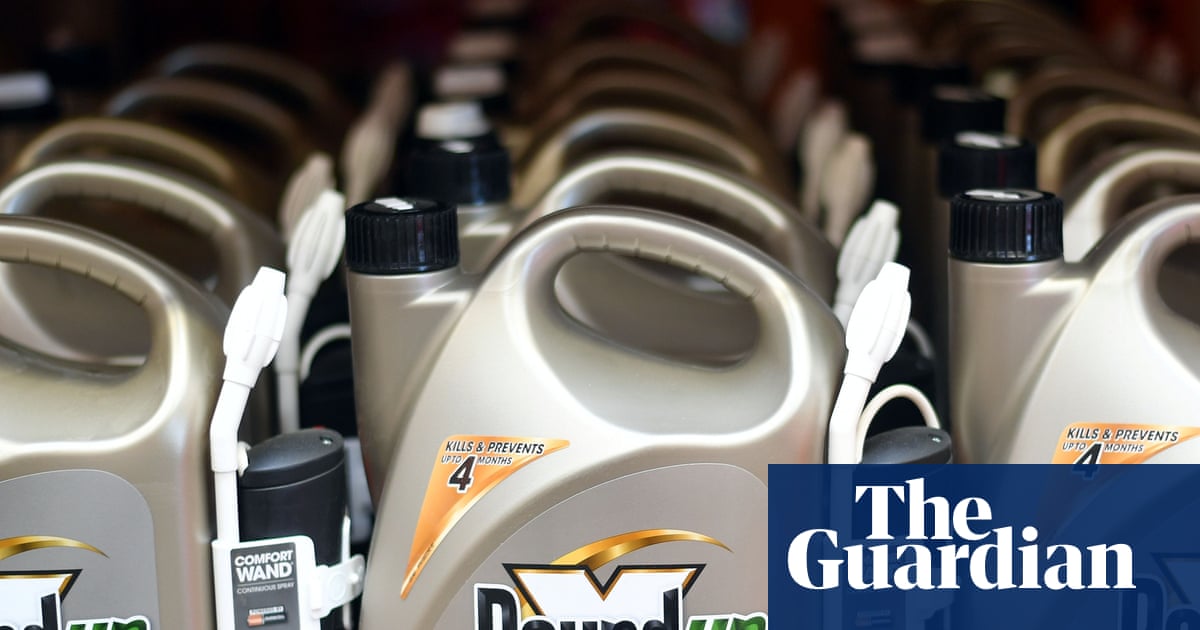
Bayer Roundup Settlement: $7.25bn Deal Reached in Cancer Lawsuits
Bayer and a coalition of attorneys representing cancer patients on Tuesday announced a proposed $7.25 billion settlement intended to resolve thousands of lawsuits in the United States. The suits allege that Bayer, through its acquisition of Monsanto, failed to adequately warn consumers about potential cancer risks associated with its widely used herbicide, Roundup.
The proposed settlement, filed in St. Louis Circuit Court in Missouri – the location of Bayer’s North American crop science division and a key jurisdiction for the litigation – requires court approval. It aims to address claims that exposure to glyphosate, the active ingredient in Roundup, causes non-Hodgkin lymphoma. Bayer maintains its position that glyphosate does not cause cancer, but acknowledged the financial strain of ongoing litigation.
“Litigation uncertainty has plagued the company for years, and this settlement gives the company a road to closure,” Bayer CEO Bill Anderson stated on Tuesday, according to Reuters. The agreement comes as the U.S. Supreme Court prepares to hear arguments in a separate case concerning Bayer’s assertion that the Environmental Protection Agency’s (EPA) approval of Roundup, without a cancer warning requirement, should preempt state court claims. The proposed settlement would not directly impact that Supreme Court case, but would mitigate some of the financial risk for Bayer depending on the court’s eventual ruling.
Bayer acquired Monsanto in 2018 for $63 billion, inheriting the Roundup litigation. Since then, the company has faced mounting legal costs and negative publicity related to the lawsuits. Bloomberg News reported in 2023 that Bayer was seeking to pay more than $7 billion to settle the claims. The $7.25 billion figure represents a significant financial commitment by the company.
The settlement aims to resolve a substantial portion of the outstanding Roundup litigation, but the exact number of claimants and the individual amounts they will receive remain to be determined pending court approval. Brownfield Ag News reported that the settlement covers a significant number of current claims, but does not preclude future lawsuits.
The Supreme Court case, separate from the settlement, centers on whether federal law preempts state law claims regarding the labeling of pesticides approved by the EPA. Bayer argues that because the EPA has consistently approved Roundup’s label, state court rulings finding the company liable for failing to warn about cancer risks are invalid. The outcome of this case could have broader implications for pesticide regulation and litigation.