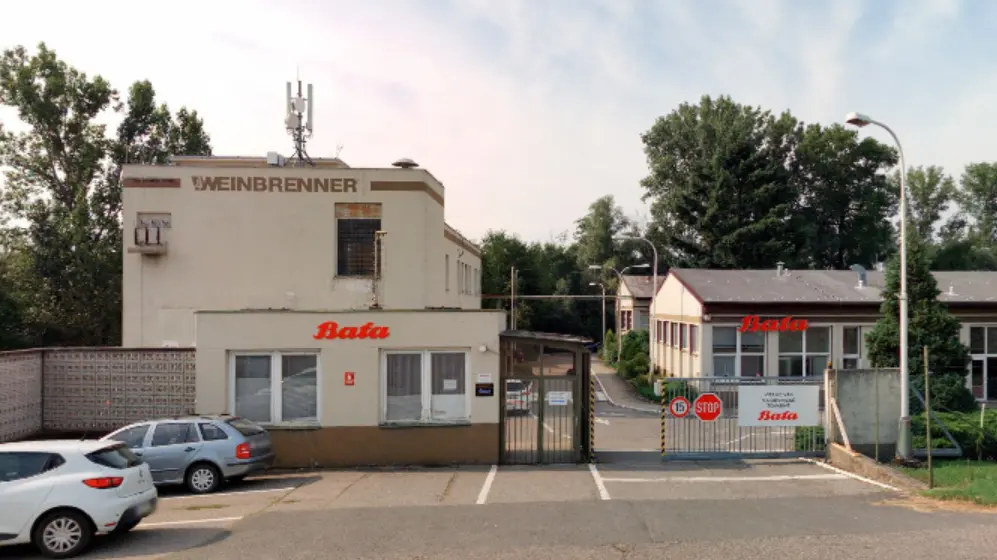
Baťa to Close Its Last Central European Shoe Factory in Dolní Němčí
Baťa will close its final footwear manufacturing facility in Central Europe, located in Dolní Němčí, eliminating 92 jobs and ending a shoe production tradition that began in 1970. Two-thirds of the affected workers are local residents, and some staff members are in pre-retirement age.
Uherské Hradiště Plant Shuts Down by August 2027
Operations at the Uherské Hradiště district plant will halt gradually over the coming months. Approximately half of the 92 employees will leave their posts on December 31, 2026. The remaining workforce will depart on March 31, 2027. Building clearance and asset removal are scheduled to run from April through August 2027, according to announcements confirmed by labor unions.
Market Conditions and Corporate Rationale for the Closure
Company leadership cited severe market pressures and a lack of baseline profitability for the decision, noting that the plant has been part of the company since 1992 and produced around 150,000 pairs of shoes last year near the Okluky stream. Andrea Montagnoli, a member of Baťa’s board of directors, stated that the facility’s structure and capacity, built for mass production, no longer align with current market demand, and that massive investment required to transform the hall for a different character of production is not considered efficient given current volumes and purchase prices. Global supply will instead be fulfilled exclusively by surviving manufacturing hubs in Asia, Africa, and Latin America, which feed around 6,000 stores across 50 countries worldwide.

Unions Learn of Closure During Wage Negotiations
Union representatives learned of the impending closure unexpectedly during a meeting originally scheduled to negotiate wage increases and collective agreements. Magdalena Pančíková, head of the local trade union organization under the Textile, Clothing and Leather Industry Workers Union—who has worked at the enterprise since 1990 and led the local union since 2012—described how the agenda shifted abruptly from pay talks to the facility wind-down, quoting Vedení nám oznámilo změnu programu a sdělilo, že začne postupný útlum. Šli jsme tedy jednat o mzdách a dozvěděli jsme se, že fabrika skončí
. Pančíková noted that employees had experienced a prolonged slowdown, evidenced by shrinking order volumes from corporate headquarters and aging machinery that hindered the production of lower-cost footwear, while also criticizing the firm for failing to sufficiently promote its high share of manual labor, pointing out that the sewing workshop alone required over sixty separate operations to manufacture a single model without any handmade labeling.
During its communist-era peak, the plant employed up to 500 workers.

Manpower Assists Workers with Job Transitions
Factory management engaged the personnel agency Manpower to assist departing workers with resume writing, interview preparation, and job center registrations. Severance terms will adhere to the existing collective agreement, alongside ongoing negotiations regarding benefit settlements and potential bonuses. While local employers have already extended initial job offers, union leaders emphasized that transitioning out of the footwear industry presents a significant hurdle for staff members who spent their entire professional careers at the plant, and the Trade Union Federation declared it will continue assisting former workers even after the final shutdown through legal counseling and financial support from its security fund.