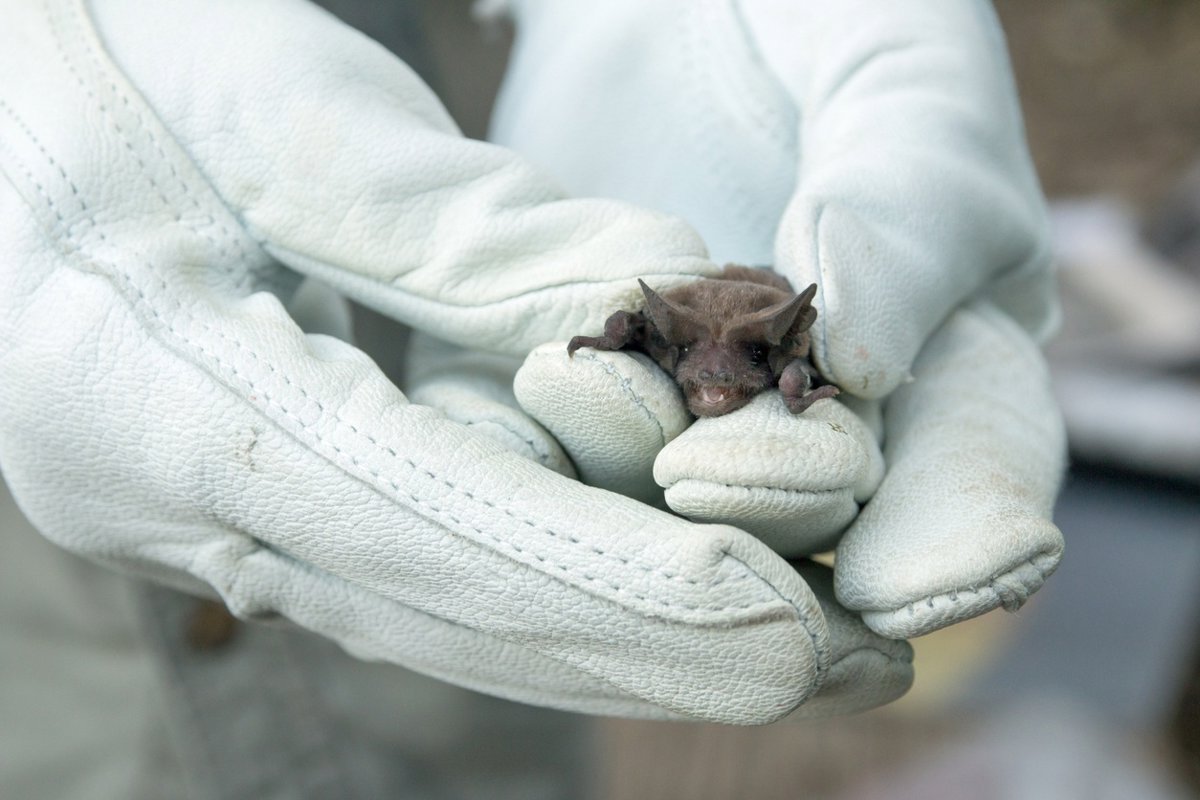
Bat Genetics Reveal Secrets to Longevity and Cancer Resistance
Researchers examining the extreme physiology of bats have uncovered a unique genetic mechanism involving DNA repair and gene duplication that sheds light on cellular longevity, viral resistance, and cancer suppression in mammals. Published in the journal Nature and detailed by outlets including El Mundo, the study maps the genomes of eight species within the Myotis genus. Scientists found that these flying mammals possess duplicated genes responsible for DNA repair and immune response, offering a biological blueprint that researchers are now comparing against human oncology and aging pathways.
- Researchers at the University of Vermont and Penn State sequenced eight Myotis bat genomes, discovering specialized gene duplication mechanisms that enhance DNA repair and cellular turnover.
- Unlike humans, who show evolutionary adaptations primarily against RNA viruses, bats exhibit significant genetic adaptations targeting DNA viruses such as herpes and hepatitis B.
- When exposed to chemotherapeutic agents in laboratory assays, bat cells demonstrated an advanced capacity to eliminate irreparable cells rather than accumulating mutations, pointing to novel targets for future oncological research.
Genomic Duplication and Cellular Protection in Long-Lived Mammals
Bats represent an evolutionary anomaly among mammals. As the only flying mammals across more than 1,400 described species, their high metabolic rate and intense body temperature fluctuations generate severe molecular stress. Yet, certain species can live for decades—with documented lifespans exceeding four decades, scaling proportionally far beyond human longevity limits. According to findings published in Nature, this extended lifespan correlates directly with genomic adaptations that mitigate the cellular damage caused by rapid energy expenditure.
Led by researchers from the University of Vermont and Penn State, the sequencing project identified a distinct form of copy number variation. While standard mammalian genomes typically harbor a single copy of the gene encoding protein kinase R (PKR)—a vital antiviral and immunological regulator—specific Myotis bats feature two or three functional copies. “One of the things that allows the variation in the number of copias is the diversification of the function of the gen,” explains Elise Lauterbur, a professor at the University of Vermont and co-author of the study, noting that this duplication reinforces immune defense and creates alternative molecular pathways for tissue preservation.
To evaluate the functional output of these duplications, the team tested cellular reactions to stress. When exposed to high doses of chemotherapeutic agents, cells from the whiskered bat (Myotis emarginatus) or similar long-lived strains did not undergo standard malignant transformation or unmitigated necrosis. Instead, they rapidly initiated apoptotic or clearance pathways. “Our hypothesis is that we get rid of those cells that cannot be saved,” notes Juan Manuel Vázquez of Penn State, highlighting a cellular triage system that prevents damaged DNA from replicating into tumors.
Divergent Antiviral Adaptation Pathways
The immunological profile of bats also diverges sharply from human clinical baselines. Evolutionary pressures have shaped human immune systems to combat RNA pathogens, including influenza and coronaviruses. Conversely, genomic analyses demonstrate that bats display a disproportionate adaptation to DNA viruses, including members of the herpesvirus and hepadnavirus families. This divergence underscores the complex evolutionary trade-offs inherent in mammalian immunity.
These distinct defense mechanisms allow bats to host various viral pathogens without displaying clinical symptoms of disease. Translating these natural protective barriers into human therapies requires careful navigation of translational medicine pipelines. For patients and clinicians monitoring oncological developments, evaluating emerging therapeutic leads demands rigorous diagnostic oversight.

While the research published in Nature remains in the foundational discovery phase, the identification of enhanced DNA repair pathways offers clear benchmarks for pharmacological exploration.
As academic centers expand upon these genomic insights, the medical community moves closer to defining novel interventions for age-related tissue degradation and oncological prevention, bridging the gap between evolutionary biology and human clinical care.
Disclaimer: The information provided in this article is for educational and scientific communication purposes only and does not constitute medical advice. Always consult with a qualified healthcare provider regarding any medical condition, diagnosis, or treatment plan.