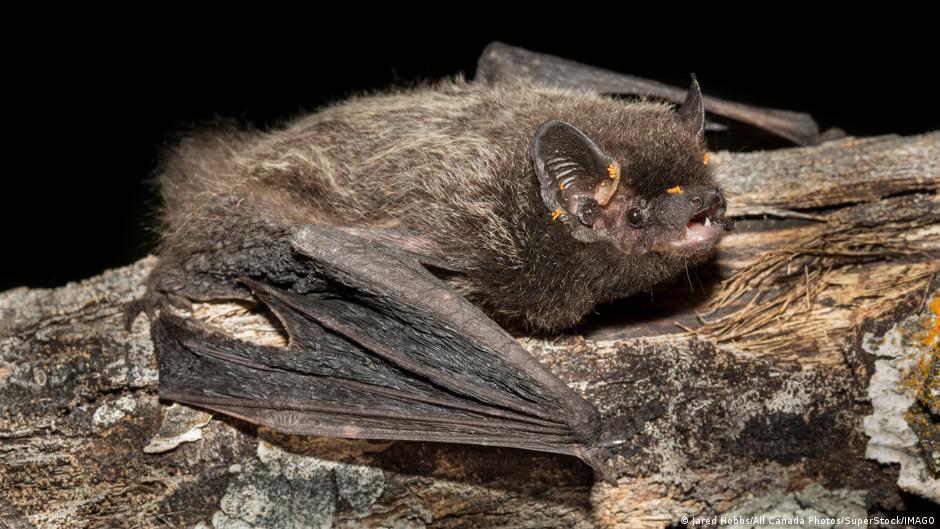
Bat Bite Exposure Possible Even Without Visible Wounds
A young boy died from rabies after waking to find a bat on his face, according to reports from DW News. The case highlights a critical clinical reality: rabies exposure can occur through microscopic punctures or mucosal contact without visible bite marks or scratches, making immediate post-exposure prophylaxis (PEP) essential regardless of apparent injury.
- Silent Exposure: Rabies transmission can occur without visible skin breaks, particularly during sleep.
- Critical Window: Post-exposure prophylaxis (PEP) must be administered before the virus reaches the central nervous system.
- Vector Risk: Bats are primary reservoirs for rabies; any direct contact with a bat requires urgent medical evaluation.
The pathogenesis of rabies involves the virus entering the body through a bite or scratch and migrating via peripheral nerves to the spinal cord and brain. Once the virus reaches the central nervous system and clinical symptoms appear, the morbidity rate is nearly 100%. In the reported case, the absence of a clear wound likely delayed the administration of the rabies vaccine and human rabies immune globulin (HRIG), which are the standard of care for preventing the onset of the disease.
According to the World Health Organization (WHO), rabies is a zoonotic disease that remains a significant public health threat in various regions globally. The virus is typically transmitted through the saliva of an infected animal. While many associate rabies with canine bites, chiropteran (bat) vectors present a unique risk because their teeth are often so small that punctures go unnoticed by the victim.
“The most dangerous aspect of bat-related rabies exposure is the lack of a visible wound. If a person wakes up with a bat in their room or on their body, the clinical assumption must be that an exposure occurred.”
How Does Rabies Infect the Body Without Visible Wounds?
The rabies virus targets nicotinic acetylcholine receptors at the neuromuscular junction. Because bat teeth are minute, they can penetrate the epidermis without leaving a macroscopic tear or bleeding. This allows the virus to enter the subcutaneous tissue and begin its retrograde axonal transport toward the brain. The incubation period can vary from weeks to months, during which the patient is asymptomatic but the virus is actively migrating.
For families in regions where bats are endemic, the risk of nocturnal exposure is a serious clinical gap. This necessitates immediate triage. Parents or guardians who discover a bat in a sleeping child’s vicinity should not wait for symptoms to manifest. Immediate consultation with [Relevant Clinic/Professional/Service] for a risk assessment and the initiation of the PEP series is the only way to ensure survival.
What is the Standard of Care for Rabies Post-Exposure?
The current medical consensus, supported by Centers for Disease Control and Prevention (CDC) guidelines, mandates a two-pronged approach to PEP: the administration of rabies immune globulin (RIG) and a series of rabies vaccines. RIG provides immediate antibodies to neutralize the virus at the site of entry, while the vaccine stimulates the patient’s own immune system to produce long-term antibodies.

The efficacy of this treatment is absolute if administered promptly. However, the timing is critical. Once the virus crosses the blood-brain barrier and triggers encephalitis, medical intervention becomes palliative. This urgency makes the availability of the vaccine in local healthcare infrastructures a primary public health concern.
Healthcare facilities must maintain strict compliance with vaccine storage and administration protocols. For medical administrators and clinic owners, ensuring a steady supply of HRIG and the latest cell-culture vaccines is a regulatory necessity. Pharmaceutical distributors often work with [Relevant Clinic/Professional/Service] to optimize the cold chain and prevent operational bottlenecks that could delay life-saving treatment.
Why is Bat-Borne Rabies More Difficult to Detect?
Unlike dog or raccoon bites, which cause significant tissue trauma and inflammation, bat exposures are frequently “silent.” This creates a psychological hurdle where patients and providers may dismiss the encounter as harmless. According to peer-reviewed data available via PubMed, the prevalence of rabies in various bat species varies by geography, but the high lethality of the virus outweighs the low probability of any single bat being infected.
The clinical triage process for a suspected bat exposure involves:
- Immediate washing of the contact area with soap and water for 15 minutes.
- Assessment of the bat (if possible) for rabies via laboratory testing.
- Immediate administration of RIG infiltrated around the site of suspected exposure.
- A scheduled series of vaccinations (Days 0, 3, 7, and 14).
Given the complexity of these protocols and the potential for legal liability if a patient is misdiagnosed, many private practices are retaining [Relevant Clinic/Professional/Service] to audit their emergency response protocols and ensure they meet the latest national health guidelines.
The trajectory of rabies research is currently moving toward the development of monoclonal antibodies that could provide a more streamlined and accessible alternative to traditional RIG. Until these therapies move through Phase III trials and receive regulatory approval from agencies like the FDA or EMA, the standard PEP remains the only viable defense. To ensure the highest level of care, patients should seek vetted, board-certified infectious disease specialists or emergency care centers listed in our directory to manage potential zoonotic exposures.
Disclaimer: The information provided in this article is for educational and scientific communication purposes only and does not constitute medical advice. Always consult with a qualified healthcare provider regarding any medical condition, diagnosis, or treatment plan.