
Barclays WSL and WSL2 Fantasy Game Now Live
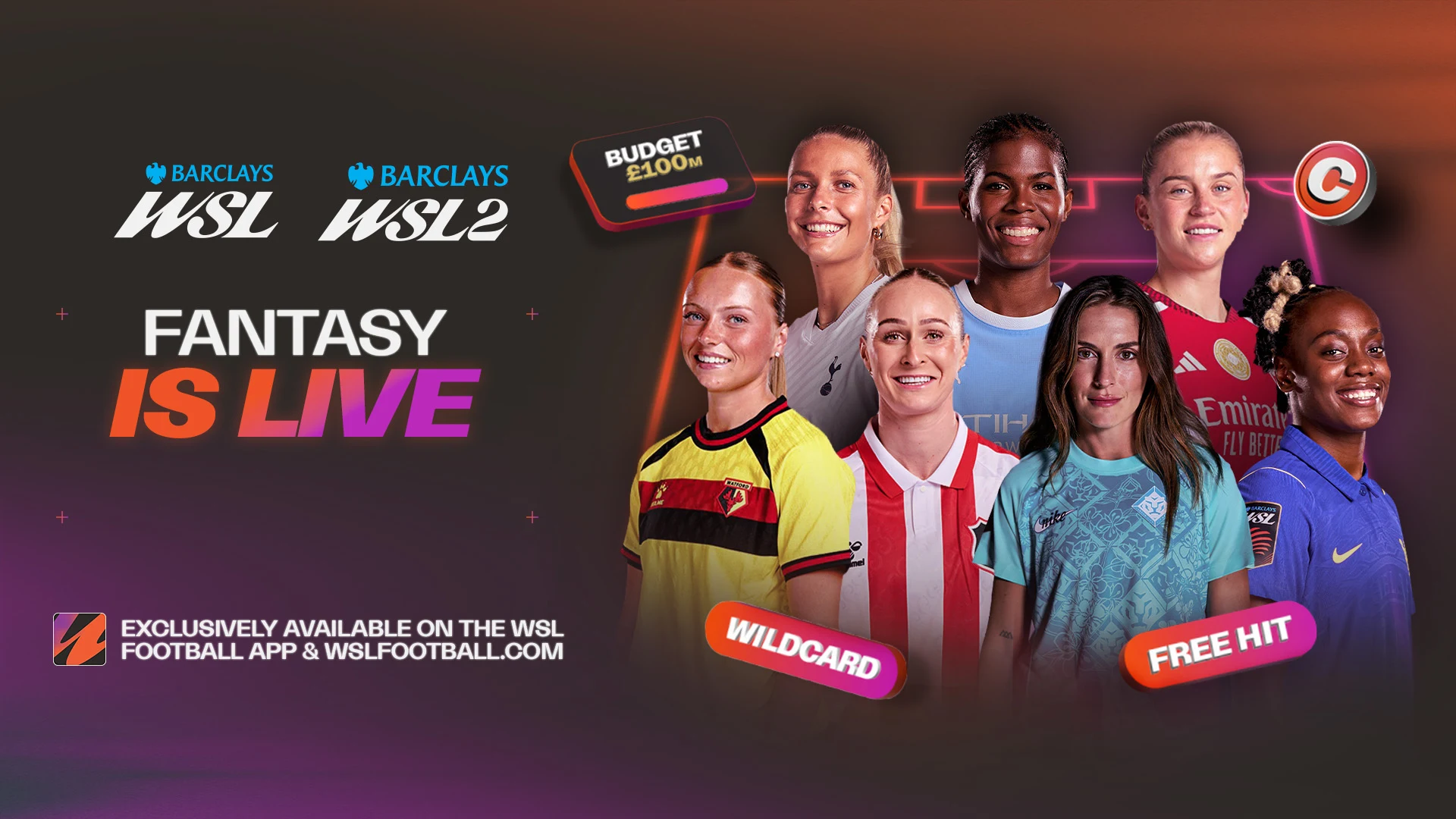
The Barclays Women’s Super League (WSL) and WSL 2 have officially launched a collaborative fantasy football platform, developed alongside SI (formerly Sportz Interactive). Accessible via the WSL Football app and the official league website, the game integrates players from all 26 clubs across both tiers into a single, unified squad pool.
Strategic Roster Construction and the Unified Player Pool
The core mechanics of the new fantasy experience move away from traditional single-league constraints. By merging the Barclays WSL and WSL 2, managers now have access to a broader talent pool, a design choice intended to increase tactical depth. The platform allows users to build squads of 15 players—11 starters and four substitutes—operating under a £100m budget. The rule set limits managers to selecting a maximum of three players from any single club, enforcing a need for balanced roster construction rather than stacking top-tier sides.
This structure requires managers to account for varying levels of competition between the two tiers. While elite performers in the WSL provide consistent returns, the inclusion of WSL 2 players introduces “jeopardy” and “differentials.” This creates a secondary market for talent identification, where scouting players from the lower tier becomes a viable path to gain an edge on the leaderboard.
Advanced Scoring and Tactical Flexibility
Beyond standard goal and assist metrics, the game emphasizes granular performance data. Points are awarded for defensive and transitional actions, including tackles, interceptions, blocks, recoveries, key passes, crosses, and dribbles. This valuation shift reflects modern tactical trends, where the efficiency of a holding midfielder or a high-volume fullback can now be as impactful as an attacking forward’s output.
The game also introduces a departure from traditional “lock-out” deadlines. Managers retain the ability to switch captains for players who have not yet participated in their respective matchweeks. This “rolling” deadline model allows for a more reactive approach to the weekend’s fixtures, forcing participants to engage with the schedule in real-time rather than setting a static lineup before the first kickoff.
Incentivizing Engagement Through Periodic Competition
To prevent the “burnout” common in season-long formats, the developers have implemented a “Six Legs” structure. The season is partitioned into six distinct blocks, each featuring its own leaderboard and prize pool. This design ensures that a poor performance in the early weeks does not mathematically eliminate a participant from future rewards. This feature was a direct response to fan surveys conducted during the development phase, which highlighted a desire for community-driven, short-term commitments.
The economic model of the game further promotes inclusivity. While player valuations fluctuate based on performance, the game features a “no price-rise” policy for selling; users can offload players for the exact amount they paid, ensuring that late-joining participants are not disadvantaged by market volatility.
Professional Infrastructure and the Local Economic Impact
As clubs finalize their squads during the ongoing transfer window, the game’s interface will continue to update with new player profiles.
Disclaimer: The insights provided in this article are for informational and entertainment purposes only and do not constitute medical advice or sports betting recommendations.