
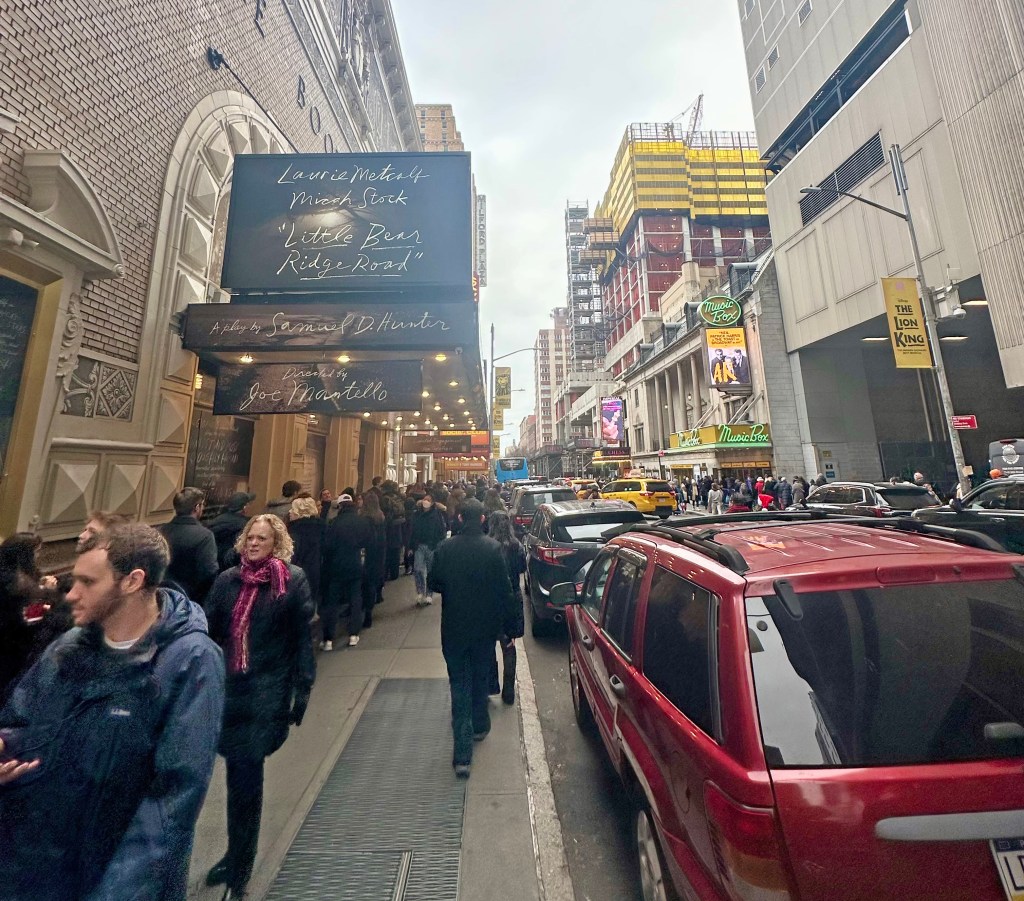
Ban Cars in NYC’s Theater District to Prevent Pedestrian Deaths & Boost Broadway
The fatal striking of actor Wenne Alton Davis in New York’s Theater District has ignited a fierce debate over urban safety and the viability of Broadway’s current infrastructure. With 486 crashes reported in a single year within a 30-block zone, industry leaders and activists are demanding a total ban on private motor vehicles to protect talent, tourists and the economic future of live theater.
The death of Wenne Alton Davis was not merely a statistic; it was a rupture in the collective conscience of the entertainment industry. When a performer known for The Marvelous Mrs. Maisel is cut down by a sedan in the shadow of the marquees they facilitate illuminate, the narrative shifts from tragic accident to systemic failure. As we navigate the post-pandemic recovery of the live performance sector, the Theater District stands at a precarious intersection of artistic renaissance and urban decay. The proposal to ban private cars from Broadway is no longer just a traffic conversation; it is a critical brand equity issue for the global entertainment capital.
The Economics of Danger: Why Safety is a Revenue Stream
Broadway is currently fighting a war on two fronts: the struggle for profitability and the battle for physical safety. According to an investigation by The New York Times, of the 46 musicals that have opened since the pandemic, only three have turned a profit. In this fragile financial ecosystem, the “experience” of attending a show begins the moment a ticket is purchased, not when the curtain rises. If that journey involves navigating a gauntlet of idling SUVs and aggressive drivers, the brand value of the district diminishes.
The data supports the argument that vehicular traffic is an antiquated relic in a pedestrian-first economy. Broadway League statistics indicate that merely 15 percent of theater-goers arrive by personal car. Yet, the infrastructure prioritizes this minority at the expense of the majority. In the 30-block zone spanning 41st to 54th streets, there were 486 reported crashes last year alone, injuring 250 people. This is not just a humanitarian crisis; it is a logistical bottleneck that chokes the incredibly revenue streams producers are desperate to unclog.
When a district relies on tourism, particularly international travel which has been dampened by geopolitical tensions, the perception of safety is paramount. A single high-profile fatality can ripple through travel advisories and insurance premiums. This is where the intersection of entertainment and risk management becomes critical. Studios and production houses operating in this zone must consider the liability implications of maintaining a car-dependent infrastructure.
“The streets need to accommodate the hundreds of thousands of pedestrians visiting the area, but they also need to accommodate the people who come by private vehicle.” — Tom Harrison, President of the Times Square Alliance
Harrison’s insistence on “balance” ignores the mathematical reality of the space. You cannot balance the needs of a few drivers against the lives of thousands of pedestrians when the former poses a lethal threat to the latter. From a risk management perspective, the continued allowance of private vehicles in a high-density pedestrian zone is an uninsurable liability. Production companies and venue operators should be looking toward crisis communication firms and reputation managers to proactively address safety concerns before the next tragedy forces a reactive, damaging narrative upon the industry.
Operational Shifts: The Logistics of a Car-Free Corridor
Implementing a car-free zone is not simply a matter of erecting barriers; it requires a complete overhaul of how the district manages flow, security, and emergency access. This is a massive operational undertaking that mirrors the complexity of a major festival or tour. The success of congestion pricing, which MTA Chief John McCarthy noted saved time for theatergoers, proves that reducing vehicle volume correlates with increased attendance. However, a total ban requires robust infrastructure.
We are seeing a trend where entertainment districts are evolving into controlled access environments, similar to large-scale festivals. This shift necessitates partnerships with specialized vendors who understand crowd dynamics and urban security. The transition away from private vehicles opens up real estate for expanded sidewalks, outdoor dining, and pre-show gathering spaces—revenue generators that currently do not exist.
To execute this vision, the Times Square Alliance and the Broadway League would need to engage with regional event security and A/V production vendors capable of managing a permanent, high-traffic pedestrian zone. These firms possess the expertise to design flow patterns that maximize foot traffic while ensuring emergency vehicles can still navigate the grid. The goal is to transform the streetscape from a thoroughfare into a destination, mirroring the immersion found inside the theaters.
The Hospitality Windfall and Brand Revitalization
The argument against banning cars often cites the inconvenience to local businesses, yet data suggests the opposite. Studies consistently show a clear correlation between open streets and thriving commercial activity. If Broadway is to recover its pre-pandemic attendance levels, it must offer an environment that competes with the curated safety of streaming at home. The “magic” of theater is easily shattered by the roar of an engine and the smell of exhaust.

By reclaiming the streets for pedestrians, the district enhances the overall value proposition for visitors. This extends beyond the theater box office to the surrounding ecosystem of hotels, restaurants, and retail. A safer, more walkable district encourages longer stays and higher spend per capita. The luxury hospitality sectors in Midtown Manhattan stand to gain significantly from a revitalized, pedestrian-friendly Theater District that positions New York as a safe, world-class cultural destination.
major IP holders like Disney, recently reorganizing their leadership under Dana Walden to span film, TV, and games, rely on the physical presence of Broadway to anchor their brand in the real world. A deteriorating, dangerous Theater District undermines the synergy between their streaming content and live experiences. Protecting the physical venue is as crucial as protecting the intellectual property itself.
The Path Forward: Liability, Legacy, and Action
The death of Wenne Alton Davis serves as a grim indicator that the status quo is unsustainable. The “argument to moderation” suggests we meet car drivers halfway, but when the cost of that compromise is human life, the logic fails. The industry must pivot from reactive mourning to proactive structural change.
This requires a coalition of stakeholders: producers, city planners, and safety experts. It demands a recognition that the “show” starts on the sidewalk. If the industry fails to act, the next headline may not just be about a traffic accident, but about the collapse of New York’s cultural dominance due to negligence. The tools to fix this exist within the directory of professional services available to the industry today—from legal teams who can navigate the zoning laws to PR firms that can manage the transition narrative.
Broadway has always been about transformation. It is time the district itself underwent a metamorphosis, shedding the dangerous vestiges of the automotive age to secure a safer, more profitable future for the artists and audiences who define it.
Disclaimer: The views and cultural analyses presented in this article are for informational and entertainment purposes only. Information regarding legal disputes or financial data is based on available public records.