Baltimore Resident Alleges Anonymous 311 Reports Target Her Vehicle
Nehal Elmeligy, a Baltimore resident, alleges that anonymous reports through the city’s 311 system are being used to target her vehicle under a law requiring cars to move every 48 hours. She expressed concern that the regulation is being “weaponized” by neighbors to trigger towing or enforcement actions.
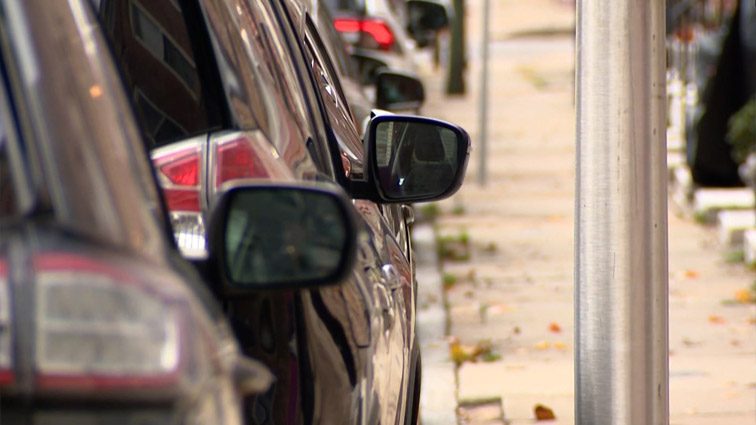
Street parking on North Streeper Street in East Baltimore is frequently difficult to find, according to reports from wbaltv.com.
Why is the 48-hour rule being enforced?
Elmeligy discovered a city notice on her windshield three weeks ago stating the vehicle must be moved every 48 hours. The notice included handwritten notes claiming the car was inoperable and had tire issues, which Elmeligy disputed because she uses the vehicle for work.
“What is one good reason for having this law the way it is right now? There isn’t one,” Elmeligy said.

After contacting the Baltimore City Department of Transportation for clarification, Elmeligy was told that someone had reported her car. However, the report was anonymous due to the system’s current setup, wbaltv.com reported.
Elmeligy said that the department informed her that responding police officers do not know the identity of the person who filed the complaint. “When this police officer comes out to check the car, don’t they actually try and assess the situation for themselves? She’s like, ‘No, there’s a complaint. They have to enforce it,’” Elmeligy said.
Can residents request more time?
The Baltimore City Department of Transportation (DOT) said that the 48-hour provision is meant to prevent the long-term storage of vehicles on public streets. A DOT spokesperson said in a statement that the agency recognizes residents may need to leave cars parked for longer periods.
To address this, residents can “submit an Extended Residential Parking Request” by calling 311 or using the Baltimore City 311 app. These requests allow for parking for up to three weeks per calendar year, though a separate request must be submitted for every vehicle.
Despite these options, a DOT spokesperson said there are no plans to revisit the city’s 48-hour parking provision.
City defends parking enforcement rules
A Baltimore City Department of Transportation spokesperson emphasized that the 48-hour parking rule aims to prevent vehicle abandonment and long-term storage on public streets. The department acknowledged residents may need extended parking for trips or other absences.
To address such needs, the DOT allows residents to request extended parking for up to three weeks per year through the 311 system or the Baltimore City 311 app, though a separate request is required for each vehicle. The city insists these measures provide flexibility while enabling enforcement of abandoned vehicle rules.
Anonymous complaints trigger enforcement
“You have to move it every 48 hours, and that it had handwritten notes on it, that the car is inoperable and then there's a problem with the tires. And I just kind of did a double take. I'm like, you're talking about my car that I'm driving to work right now,” Nehal Elmeligy, a Baltimore resident, said, discovering the first city notice on her car three weeks ago, which included handwritten claims her vehicle was inoperable and had tire problems.
She disputed these remarks, noting she drives the car to work daily.
Is the law being used unfairly?
Elmeligy found a second notice on her vehicle on Tuesday and expressed fear that the law is being used by individuals to be “vindictive.” She suggested the 311 system allows people to report others from behind a screen without consequence.
“It’s being weaponized by people, but now that I know of it, I’m just scared. I’m worried,” Elmeligy said.
Elmeligy suggested the law should be updated to account for modern driving habits, such as the increase in people working from home.