Baltimore Officials Investigate Two Legionnaires’ Cases Among Residence Inn Guests
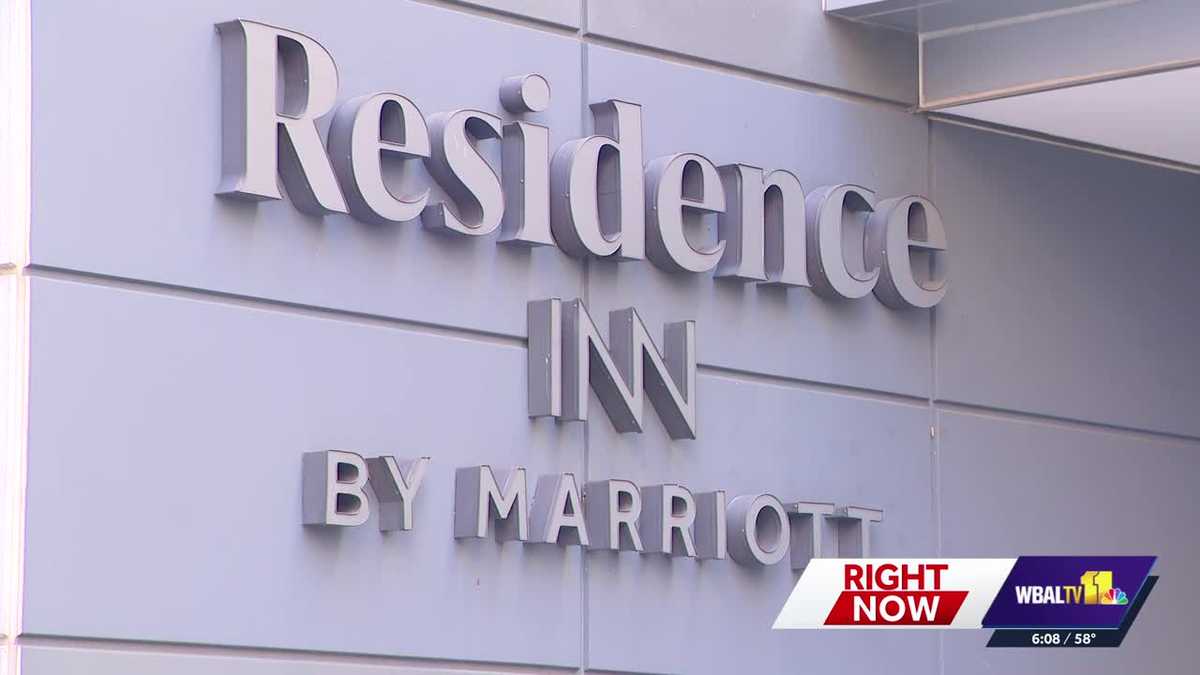
Baltimore health officials are investigating two laboratory-confirmed cases of Legionnaires’ disease among guests who stayed at the Residence Inn by Marriott Baltimore at the Johns Hopkins Medical Campus within the past five months, the Baltimore City Health Department announced Thursday.
Courtney Tipper, chief operating officer for the Baltimore City Health Department, said the city was alerted by the Maryland Department of Health about the two positive tests, prompting the public advisory.
“We want to ensure that individuals who have stayed, or are currently staying at the hotel, are informed about the ongoing investigation and are aware of recommended safety measures,” Tipper wrote in an email Friday, according to The Baltimore Banner.
Officials emphasized it is not certain the guests acquired the illness at the hotel at 800 N. Wolfe St. The property is cooperating with a water consultant to assess the building’s potable water system for Legionella bacteria, the health department said.
“I think they’ve taken the necessary precautions,” guest Paul Dagati told WBAL-TV after reviewing the advisory posted at the entrance. “They’re advising not to shower, wash your hands with tap water, that sort of thing.”

Health department defines exposure period and advises high-risk guests
The health department defined the period of concern as overnight stays on or after Sept. 13, 2026. Guests who stayed during that window, have not developed symptoms, and whose last overnight stay was more than 14 days ago are not likely to develop the disease, officials said.
Current guests at higher risk — people over 50, smokers, those with chronic lung or kidney disease, diabetes, cancer, or weakened immune systems — were advised to consider staying elsewhere. For those remaining, the department recommended avoiding showers, filling bathtubs slowly to minimize aerosol production, leaving the bathroom while the tub fills, and using bottled water for drinking and brushing teeth.
Symptoms typically appear two to 14 days after exposure and include fever, cough, shortness of breath, chills, muscle aches, and sometimes nausea, vomiting, or diarrhea. The disease is treated with antibiotics; hospitalization is common, and the case fatality rate ranges from 10% to 25%, according to CBS News, citing health officials.
Environmental risk in aging infrastructure
Legionella bacteria occur naturally in freshwater but amplify in warm, stagnant sections of human-made water systems — showerheads, hot tubs, decorative fountains, and complex plumbing in large buildings. The Baltimore Banner reported the bacteria have repeatedly been found in aging Baltimore buildings, including courthouses and the State Center complex.
The Residence Inn is installing specialty filters on showers and sinks and providing bottled water and specialty drinks at its restaurant, WBAL-TV reported. Desiree White Foster, a nurse and hotel guest, criticized the notification timeline. “They definitely should have made a phone call,” she told WBAL-TV. “To give us a heads-up or give us other options to where we could stay.”
Maryland surveillance context
Maryland typically records around 200 Legionnaires’ cases annually; the state documented 231 cases in 2025, according to Maryland Department of Health data cited by The Baltimore Banner. Health care providers and laboratories are required to report cases, all of which are investigated.

A similar investigation this year at the Hilton Garden Inn North Shore in Evanston, Illinois, linked two confirmed cases to Legionella found in the hotel’s hot tub water system, Hoodline reported. In 2018, multiple cases at The Metropolitan of Baltimore apartment complex led to water restrictions lasting nearly a month, according to Baltimore Sun reporting cited by Hoodline.
Reporting and next steps
Anyone who stayed overnight at the hotel on or after Sept. 13, 2026, and was later diagnosed with Legionnaires’ disease should contact the Baltimore City Health Department at 410-396-4436 or the Maryland Department of Health at 410-767-6700. The hotel’s water consultant assessment remains underway; officials have not released findings beyond the precautionary guidance issued to guests.
Disclaimer: The information provided in this article is for educational and scientific communication purposes only and does not constitute medical advice. Always consult with a qualified healthcare provider regarding any medical condition, diagnosis, or treatment plan.