
Bali Braces for Record Tourism as ‘Paradise’ Faces a Reality Check
Denpasar, Bali – Bali is on track to welcome over seven million foreign tourists this year, a surge that threatens to fundamentally alter the island’s cultural landscape and raise concerns about sustainability.Once celebrated as an exotic haven of spirituality and natural beauty, Bali is increasingly defined by luxury tourism and a curated online image, prompting questions about whether the island is becoming a victim of its own success.
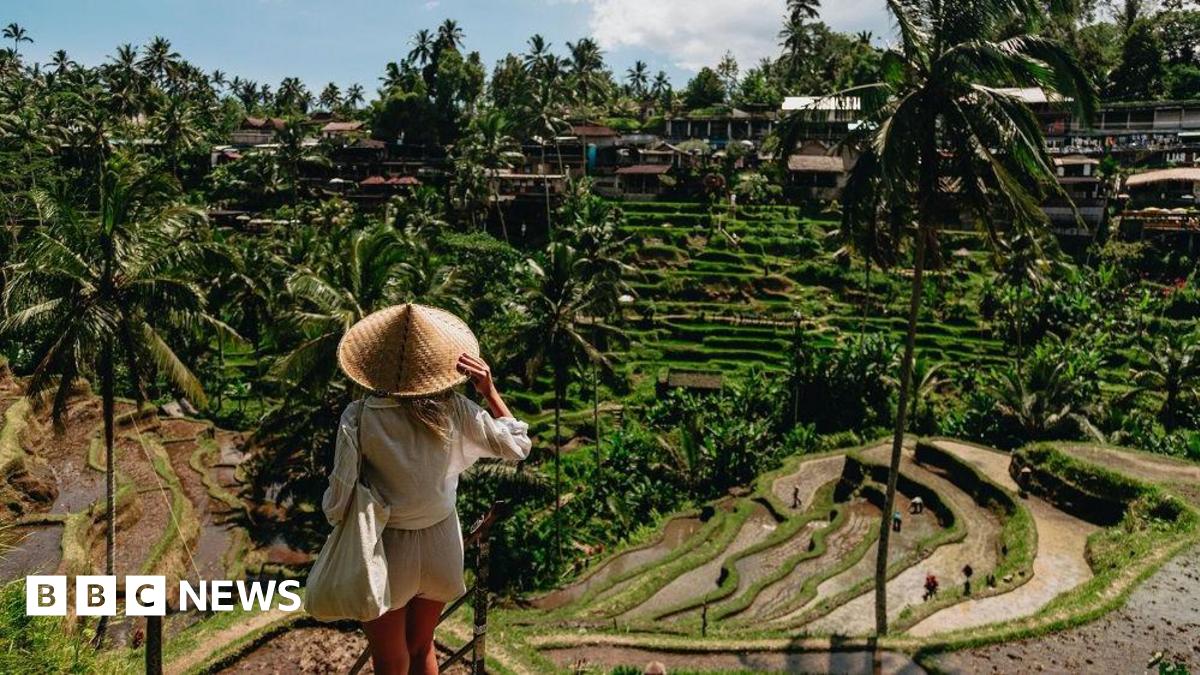
For decades, Western travelers have been drawn to bali, initially captivated by its unique Hindu culture, ancient temples, and lush rice paddies. As early as the 20th century, the island was perceived as an “exotic backwater,” a world away from the norms of the West. This allure was deeply rooted in the Balinese reverence for nature and spirituality – where monkeys, cows, and birds hold sacred importance, ancient trees are believed to house spirits, and even Mount Batur, a popular trekking volcano, is thought to be protected by a goddess.
“It’s the Balinese Hindu culture that has created this myth of the place,” explains Gisela Williams, a Berlin-based travel writer who has observed Bali’s evolution since the 1990s. “It’s one of the first places that there was all this talk of utopia and great beauty and culture.”
However, the island’s image is rapidly shifting. Tourism has exploded in recent years, jumping from 3.8 million visitors in 2014 to 6.3 million last year. This dramatic increase has fueled a boom in beach clubs, surf houses, and luxury accommodations. bali now offers readily available alcohol and a more relaxed dress code compared to other parts of Indonesia, catering to a clientele seeking an accessible luxury lifestyle.
“You have a lot of Westerners who are really taking advantage of the affordability of a luxury lifestyle,” Williams observes. “As social media has taken over, it’s a very superficial way of understanding a place… you just see a picture, and then you go.”
The rise of platforms like Instagram has amplified this trend, presenting a highly curated version of Bali that often overshadows its authentic traditions and spiritual depth. As the island welcomes record numbers of visitors, the challenge lies in balancing economic growth with the preservation of its unique cultural identity and natural environment.
