Bali Faces Waste Crisis as Pest Control, Burning, and Dumping Rise Amid Emergency Measures
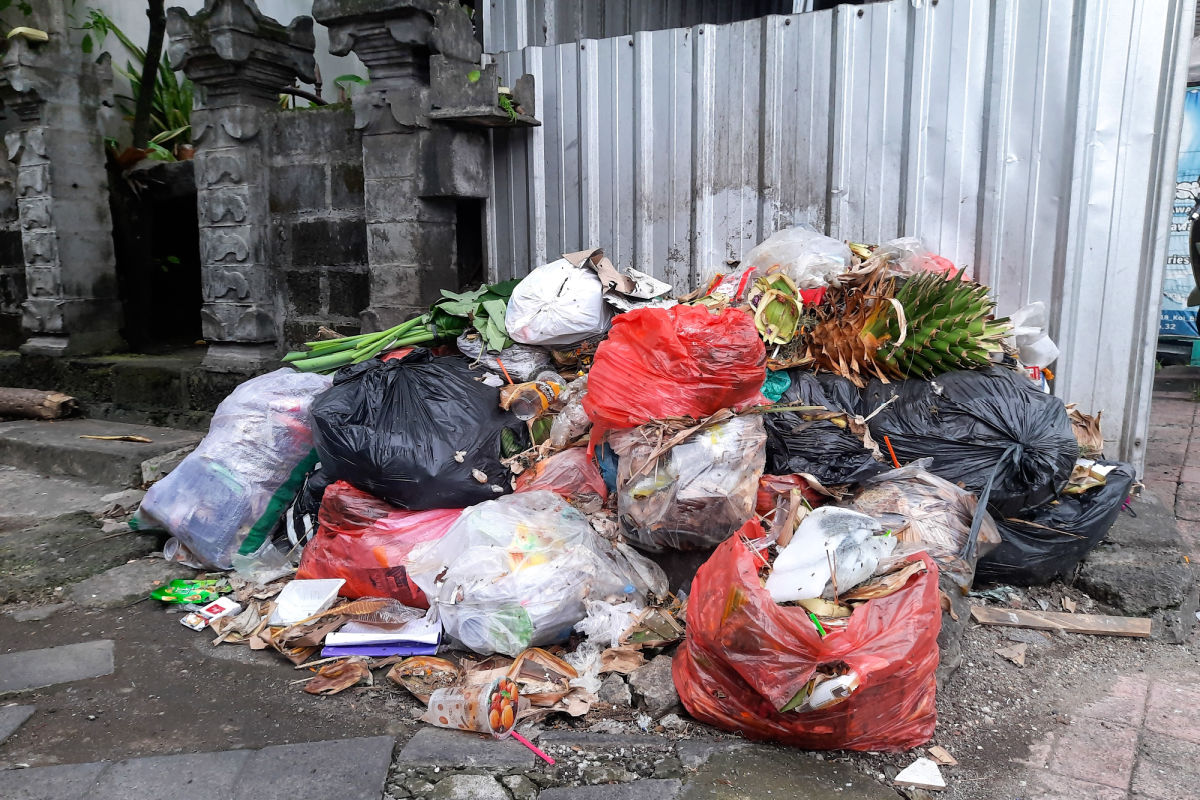
Waste sorting has reached 60 percent in Denpasar, Bali’s capital, according to the city’s environment minister, who confirmed the figure during a press briefing on waste management progress last week. The announcement comes as Bali grapples with a mounting trash crisis that has seen popular tourist beaches overwhelmed by litter and prompted authorities to declare a waste emergency in several districts. At Kuta Beach, one of Bali’s most visited shorelines, municipal workers deployed additional cleanup crews this month after piles of plastic, food wrappers and discarded fishing gear accumulated along the sand and in the surf zone. Local officials said the surge in waste correlates with peak tourist season and inadequate waste collection infrastructure in nearby neighborhoods. Similar scenes have been reported at Seminyak and Canggu, where beachfront vendors and residents alike have raised concerns about the visual and environmental impact of uncollected debris. In response to the escalating situation, Bali’s provincial government issued a formal waste emergency declaration earlier this year, activating contingency protocols that include increased funding for waste transport, temporary storage sites, and public awareness campaigns. The move followed data showing that the island generates over 1.2 million tons of solid waste annually, with less than half processed through formal recycling or composting systems. Authorities have pointed to waste sorting at the source as a critical component of long-term solutions. In Denpasar, where the 60 percent sorting rate was reported, officials cited neighborhood-level education programs and the distribution of color-coded bins as key drivers of compliance. However, adoption remains uneven across the island, with rural areas and smaller municipalities lagging behind due to limited resources and inconsistent enforcement. Meanwhile, the closure of Bali’s largest landfill in Suwung last year has intensified pressure on alternative waste management pathways. Since the ban took effect, there have been documented increases in open burning and illegal dumping into rivers, particularly during heavy rains when waste is washed downstream. Environmental groups have warned that these practices pose risks to air and water quality, though no official health assessments have been released to date. The provincial environment agency said it is monitoring the situation and coordinating with district heads to improve collection routes and expand access to sorting facilities. No timeline has been given for when the island-wide sorting rate might reach provincial targets, but officials confirmed that a review of current waste policies is scheduled for next month.