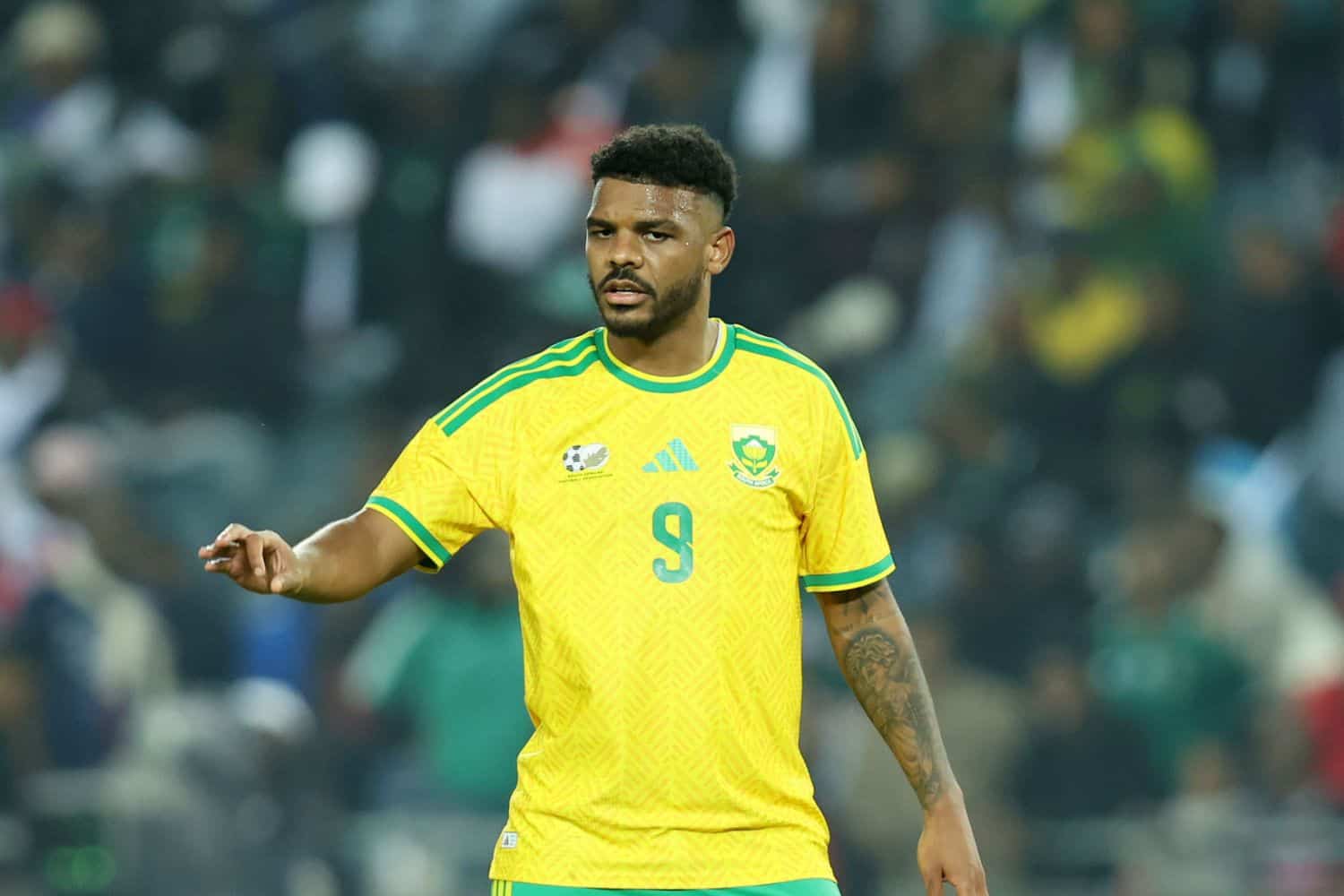
Bafana Bafana Draw With Nicaragua in World Cup Warm-Up Match
South Africa’s national soccer team, Bafana Bafana, entered their World Cup campaign on a precarious note after a frustrating draw against Nicaragua in Orlando. Head coach Hugo Broos criticized the opposition’s negative tactics as the squad completes its final domestic preparations before departing for the tournament in the Americas.
The result is more than a mere stalemate on a friendly scorecard; it is a tactical red flag. Entering a global tournament with a lack of offensive fluidity suggests a struggle to dismantle a disciplined low-block, a vulnerability that elite opponents will exploit with surgical precision. The frustration voiced by the coaching staff highlights a deeper systemic issue: the inability to generate high-quality chances when the opposition refuses to engage in an open game. This creates an immediate need for high-performance optimization, focusing not just on tactical drills, but on the psychological and physical recovery phases before the squad hits the Atlantic.
The Tactical Void and the Low-Block Struggle
Hugo Broos did not mince words following the draw, slamming Nicaragua’s approach as “negative.” From a tactical standpoint, “negative” is shorthand for a defensive shell—a compact 4-5-1 or 5-4-1 formation designed to deny space between the lines and stifle verticality. Bafana Bafana’s inability to break this deadlock indicates a deficiency in transitional play and a lack of creative penetration in the final third. When a team relies on predictable wing play without sufficient overlapping runs or interior rotations, the xG (expected goals) plummets, leaving the attack stagnant.

The struggle is compounded by the quality of preparation. Broos noted that he is essentially playing the “cards he’s dealt” regarding the selection of Central American opposition for these warm-ups. This suggests a frustration with the lack of diverse tactical challenges during the final stage of their periodization. To compete at the World Cup level, a squad needs to encounter a variety of pressing triggers and defensive structures. Facing a series of teams that prioritize damage limitation over possession provides little data for the coaching staff to refine their offensive patterns.
“The transition from a domestic warm-up environment to the high-intensity pressure of a World Cup group stage requires more than just fitness; it requires tactical elasticity. If a team cannot solve a low-block in a friendly, the mental fatigue of a tournament can turn that struggle into a crisis.” — Marcus Thorne, High-Performance Tactical Consultant.
For the amateur game, this tactical stagnation mirrors a common problem in regional leagues where teams lack the technical coaching to break down defensive teams. Local clubs looking to elevate their game must invest in elite youth athletic programs that prioritize cognitive flexibility and positional awareness over simple physical endurance.
Load Management and the Transatlantic Toll
The draw in Orlando marks the end of the domestic phase, but the real battle begins with the logistics of the Americas trip. The physical toll of long-haul travel—jet lag, circadian rhythm disruption, and the subsequent impact on muscle glycogen levels—can negate weeks of rigorous training. What we have is where load management becomes the primary driver of success. The coaching staff must now balance the desire for tactical refinement with the necessity of physiological recovery.

The risk of soft-tissue injuries spikes during these transition periods. When athletes undergo rapid changes in time zones and climate, the inflammatory response in the joints and tendons can increase, making the squad susceptible to strains. While the national team employs a full suite of traveling physiotherapists, the same physiological stressors affect local athletes traveling for international competitions. Those without a professional support system must secure vetted local orthopedic specialists and rehab centers to implement professional-grade recovery protocols and salvage their performance peaks.
Looking at the raw data of international tournament cycles, teams that fail to synchronize their peak fitness with the opening match often struggle in the group stages. The “whimper” of a draw against Nicaragua may be a symptom of a squad that has already hit its plateau in the current training cycle, leaving them vulnerable to a mid-tournament dip in energy.
The Economic Halo and Stadium Logistics
Beyond the pitch, the match in Orlando served as a critical stress test for local infrastructure. Hosting a national team warm-up generates a significant “halo effect” for the host city, driving immediate spikes in hospitality revenue and testing the capacity of stadium operations. The influx of fans into Soweto creates a logistical vacuum that requires precise coordination of transport, ticketing, and crowd control.
The commercial viability of these events depends on the ability to scale security and premium services rapidly. The demand for high-end corporate hospitality and secure perimeter management during Bafana Bafana fixtures highlights a recurring need for specialized B2B support. As these events grow in scale, franchises and associations are increasingly sourcing regional event security and premium hospitality vendors to manage the overflow and ensure a seamless fan experience.
The Path Forward: From Stagnation to Success
Bafana Bafana now departs for the World Cup with unanswered questions. The draw against Nicaragua is a warning shot. To avoid an early exit, the squad must find a way to inject creativity into their attack and move beyond the frustration of “negative” opponents. The focus must shift from the result of the warm-up to the execution of the game plan under the brightest lights in sports.

The trajectory of the team depends on whether Broos can pivot his strategy in the Americas. If the squad continues to struggle with verticality and penetration, the World Cup will be a grueling exercise in frustration. However, if they can utilize the remaining days to refine their transitional phases and optimize their physical recovery, the “whimper” in Orlando could be remembered as the wake-up call that saved their tournament.
For those following the business and health side of global sports, the complexities of athlete management and event logistics are ever-present. Whether you are a professional athlete seeking elite recovery or a business owner looking to enter the sports hospitality market, the World Today News Directory remains the premier resource for connecting with vetted professionals across the medical, legal, and logistical sectors of the sporting world.
Disclaimer: The insights provided in this article are for informational and entertainment purposes only and do not constitute medical advice or sports betting recommendations.