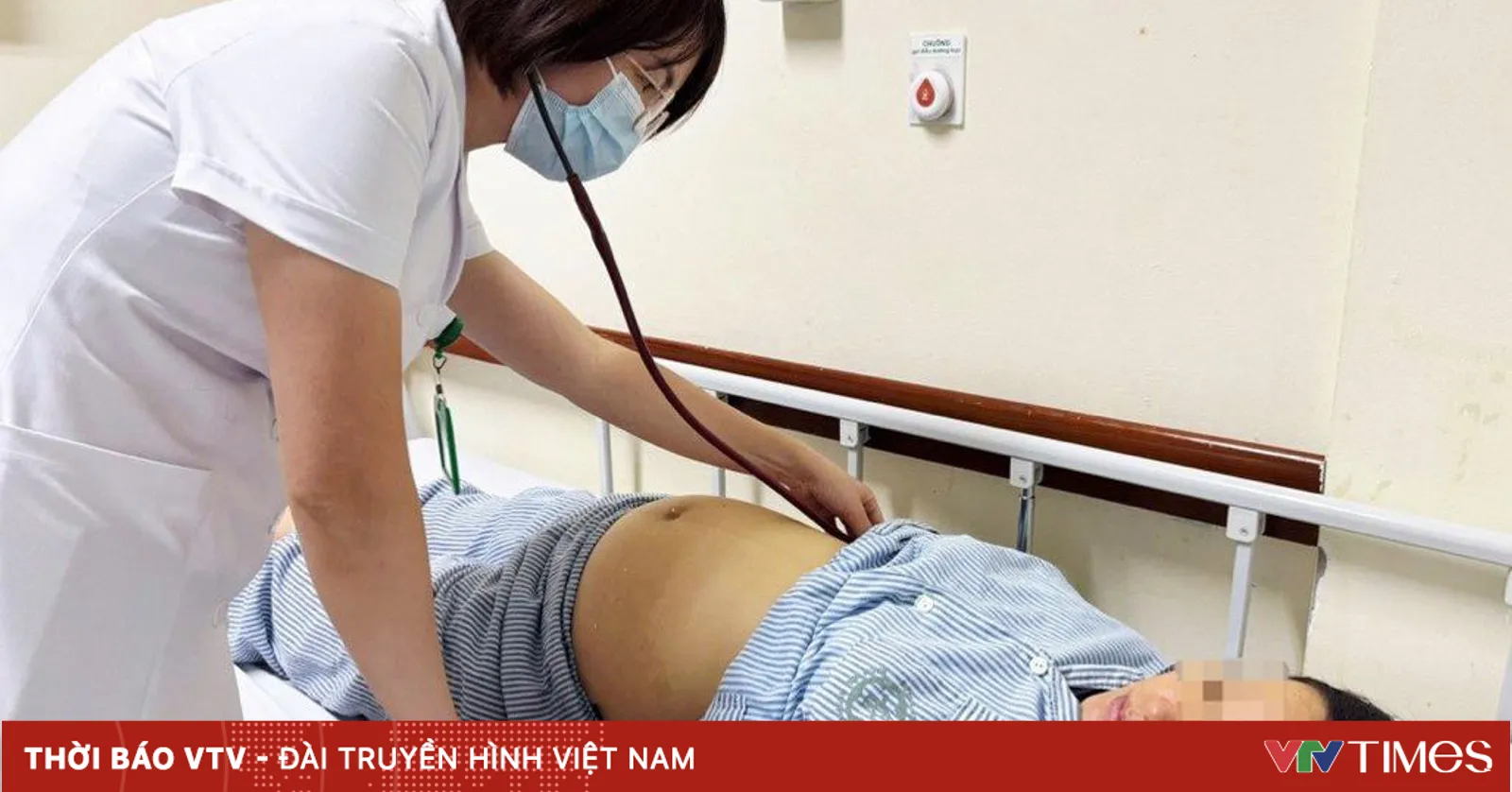
Bach Mai Hospital treats pregnant patient with severe gestational hepatitis B
A 32-year-old pregnant patient from Hung Yen, diagnosed with Hepatitis B years prior without prior treatment, was admitted at 34 weeks of gestation exhibiting profound fatigue, jaundice, scleral icterus, and anorexia.
Severe Gestational Hepatitis B Admissions at Bach Mai
Medical teams instituted a structured protocol to manage the acute hepatic flare and evaluate the risk of vertical transmission to the neonate.
Specialized Gestational Protocols Outlined by Specialists
Expectant mothers testing positive for surface antigens (HBsAg) must undergo comprehensive evaluations to quantify viral load, assess hepatic function, and grade fibrosis severity to formulate an effective prophylactic and therapeutic regimen.
Neonatal Vulnerability and Long-Term Sequelae
The statistical divergence in chronicity rates between adults and infants highlights the vulnerability of the neonatal immune system. While immunocompetent adults clear the virus effectively—resulting in a chronic infection rate below 5 percent—neonates exposed perinatally face an 85 to 90 percent risk of chronic persistence. Chronic viral hepatitis B often remains clinically silent for years, eventually driving the pathogenesis of cirrhosis and hepatocellular carcinoma if left unchecked.
- Infants infected with Hepatitis B face an 85 to 90 percent probability of progressing to chronic infection, compared to less than 5 percent in healthy adults.
- Pregnant women diagnosed with Hepatitis B require rigorous clinical monitoring, including viral load assessments via HBV-DNA testing, liver function panels, and evaluation of hepatic damage.
- Neonatal immunoprophylaxis—including the Hepatitis B vaccine administered within 24 hours of birth alongside Hepatitis B immunoglobulin (HBIG) when indicated—remains the primary defense against vertical transmission.
Targeted Immunoprophylaxis and Antiviral Interventions
Preventing vertical transmission represents an important measure to curb the global burden of the virus. Clinical guidelines recommend administering the Hepatitis B vaccine to newborns immediately after birth, ideally within the first 24 hours. For infants born to seropositive mothers, timely administration of Hepatitis B immunoglobulin (HBIG) alongside active immunization provides essential passive-active immunoprophylaxis.
For pregnant women exhibiting a high viral load, antiviral pharmacotherapy may be initiated during gestation to suppress viremia and minimize transmission risk. Clinicians advise proactive screening for all women who are pregnant or planning conception, ensuring that any identified cases are systematically managed by specialists to protect both maternal and neonatal health outcomes.
Disclaimer: The information provided in this article is for educational and scientific communication purposes only and does not constitute medical advice. Always consult with a qualified healthcare provider regarding any medical condition, diagnosis, or treatment plan.