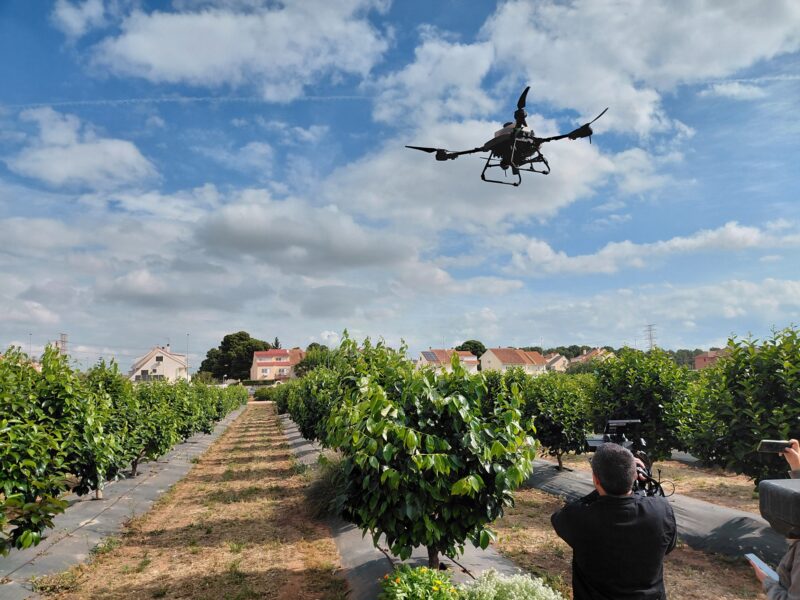
Precision Agriculture: Smart Turbo-Atomizers and Drip Fertilization
The intersection of agricultural technology and public health is often overlooked, yet the evolution of how we treat our land directly dictates the toxicological load on the human body. As we transition toward precision agriculture, we are witnessing a fundamental shift in the prevention of occupational health crises.
Key Clinical Takeaways:
- Precision delivery systems, including smart turbo-atomizers, significantly reduce the systemic drift of agrochemicals, lowering the risk of acute and chronic pesticide toxicity in rural populations.
- The transition to algorithmic-based fertilization and drip systems mitigates the bioaccumulation of nitrates in groundwater, directly impacting the incidence of methemoglobinemia and other endocrine disruptions.
- Integrating AI-driven crop management reduces the necessity for broad-spectrum chemical application, shifting the clinical focus from treating pesticide-induced morbidity to prophylactic environmental health.
For decades, the standard of care for agricultural workers has been reactive, focusing on the treatment of acute organophosphate poisoning or the management of chronic respiratory distress. The fundamental problem lies in “blanket application”—the practice of spraying entire fields with chemicals regardless of the specific needs of individual plants or the topography of the land. This inefficiency creates a pervasive environment of chemical exposure, increasing the morbidity of farming communities through prolonged dermal and inhalation contact with hazardous compounds.
The Pathophysiology of Chemical Overexposure
Broad-spectrum chemical application does not merely waste resources; it alters the biological landscape. When pesticides and fertilizers are applied indiscriminately, the resulting runoff and aerosolized drift contribute to a complex pathogenesis of systemic toxicity. Chronic exposure to these agents is linked to endocrine disruption and the inhibition of acetylcholinesterase, an enzyme critical for neuromuscular function. In high-risk agricultural zones, this often manifests as a cluster of neurological deficits and metabolic syndromes that strain local healthcare infrastructures.

“The reduction of chemical drift is not just an agricultural victory; it is a critical public health intervention. By limiting the volume of toxins entering the atmosphere and the water table, we are effectively reducing the baseline of environmental triggers for chronic respiratory and autoimmune conditions in rural populations.”
The clinical urgency of this shift is underscored by data from the World Health Organization (WHO), which has long emphasized the need to reduce the global burden of pesticide poisoning. For workers who have already developed chronic sensitivities or respiratory impairment, managing these conditions requires a multidisciplinary approach. Patients presenting with persistent pulmonary fibrosis or chemical-induced asthma should be referred to board-certified pulmonologists to establish a baseline of lung function and implement aggressive management strategies.
Algorithmic Precision as a Clinical Intervention
The introduction of precision agriculture—specifically the use of drones, sensors, and AI—functions as a primary prevention strategy in public health. The implementation of drip fertilization systems ensures that nutrients are delivered directly to the root zone, eliminating the widespread soil saturation that leads to nitrate leaching. This precision prevents the contamination of local aquifers, thereby reducing the risk of nitrate-induced toxicity in drinking water, a known risk factor for infants and pregnant women.
Even more significant is the deployment of smart turbo-atomizers. These systems utilize complex algorithms to adapt in real-time to the specific crop type and the dimensions of the plot. By adjusting the application rate and spray pattern based on the physical structure of the vegetation, these tools minimize “over-spray.” When the volume of chemical agent is calibrated to the exact biological requirement of the plant, the amount of airborne toxin available for inhalation by the operator and nearby residents drops precipitously.
This transition from volumetric application to algorithmic precision reduces the incidence of acute toxicity events. However, the legacy of previous agricultural practices means that many workers still carry a significant body burden of toxins. To assess the long-term impact of these exposures, it is highly recommended that agricultural laborers undergo screenings with certified toxicologists who specialize in environmental bioaccumulation and heavy metal testing.
Environmental Synergy and the ‘One Health’ Model
The integration of mechanical pruning and AI-driven monitoring further reduces the reliance on chemical growth regulators. By utilizing sensors to identify specific areas of pest pressure or nutrient deficiency, farmers can move toward “spot treatments” rather than field-wide saturation. This shift aligns with the “One Health” approach—a collaborative, multisectoral, and transdisciplinary approach that recognizes the interconnection between people, animals, plants, and their shared environment.

From a regulatory standpoint, the adoption of these technologies helps agricultural enterprises meet increasingly stringent environmental health standards. As guidelines from agencies like the National Institutes of Health (NIH) and various environmental protection bodies evolve, the legal risk associated with chemical runoff increases. Organizations are now frequently engaging healthcare compliance attorneys and environmental consultants to audit their chemical usage protocols and ensure they are mitigating the risk of community-wide health litigation.
The biological mechanism of action here is simple: by reducing the environmental concentration of synthetic toxins, we lower the probability of triggering the inflammatory cascades that lead to chronic illness. When we remove the trigger, we reduce the morbidity.
The Future of Preventative Agromedicine
As we look toward the next decade, the convergence of AI and agriculture will likely move toward fully autonomous, zero-drift systems. The goal is a closed-loop system where the biological needs of the crop are met with surgical precision, leaving the surrounding ecosystem—and the humans within it—untouched by synthetic toxins. This represents a shift from treating the symptoms of environmental exposure to engineering the exposure out of existence.
The trajectory of this research suggests that the “smart farm” will eventually serve as a blueprint for urban planning and public health design. However, the transition period requires vigilant medical oversight. For those living in transition zones where legacy chemical use persists alongside new precision tools, proactive health monitoring remains essential. Utilizing a network of vetted specialists is the only way to ensure that the technological leap in agriculture translates into a tangible increase in human longevity and wellness.
Disclaimer: The information provided in this article is for educational and scientific communication purposes only and does not constitute medical advice. Always consult with a qualified healthcare provider regarding any medical condition, diagnosis, or treatment plan.