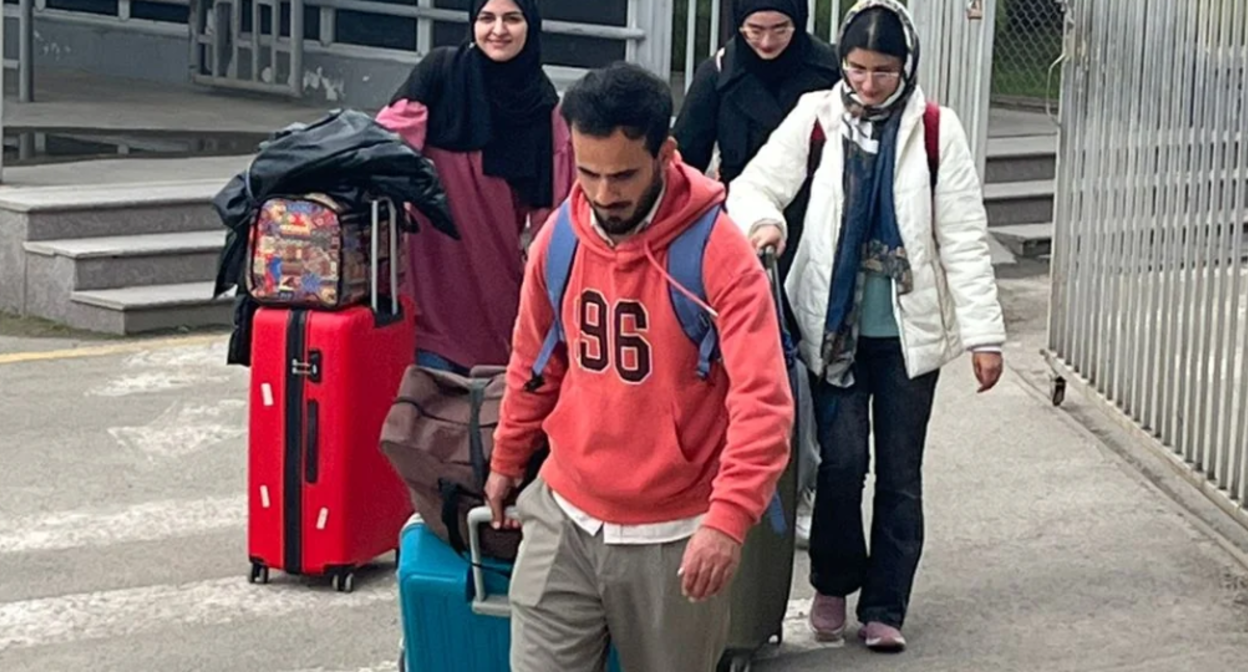
Azerbaijan Evacuates Over 3,200 People from Iran
Azerbaijan has evacuated 3,146 individuals from Iran between February 28 and March 31, 2026, following joint U.S. And Israeli airstrikes. The group includes 551 Azerbaijani citizens and over 2,500 foreign nationals from dozens of countries, including China, Russia, and India, amid escalating regional conflict and retaliatory missile attacks.
The sudden transformation of the Iran-Azerbaijan border into a primary exodus corridor reveals the sheer scale of the 2026 Iran war’s humanitarian fallout. When the United States and Israel launched their initial strikes on February 28, the regional stability of West Asia didn’t just crack—it shattered. For thousands of foreign contractors, diplomats, and civilians, the path north through Azerbaijan became the only viable escape route from a landscape suddenly defined by drone strikes and retaliatory fire.
This is more than a logistical feat; It’s a diplomatic minefield. We are seeing the displacement of people from over 40 different nations, each with varying visa requirements, legal statuses, and emergency needs. The sheer diversity of the evacuee list—ranging from Chinese technicians to European diplomats—creates an immediate demand for high-level coordination. For those fleeing with nothing but the clothes on their backs, the immediate problem is not just safety, but the legal vacuum they enter upon crossing the border.
Navigating the sudden loss of residency permits and the need for emergency travel documentation is a bureaucratic nightmare. Displaced professionals are now urgently seeking international immigration attorneys to secure temporary protected status or facilitate repatriation to their home countries.
The Data of Displacement: A Breakdown of the Exodus
The precision of the evacuation numbers tells a story of who was on the ground in Iran when the conflict ignited. The high number of Chinese and Russian nationals reflects the deep economic and infrastructure ties between Tehran and these powers, whereas the presence of South Asian workers highlights the vulnerability of the migrant labor force during geopolitical collapses.
| Nationality | Number of Evacuees |
|---|---|
| China | 728 |
| Azerbaijan | 551 |
| Russia | 354 |
| Bangladesh | 198 |
| India | 196 |
| Tajikistan | 187 |
| Pakistan | 148 |
| Oman | 84 |
| Indonesia | 68 |
| Iran | 61 |
The numbers don’t stop there. Smaller groups from Italy, Spain, Canada, Germany, and France also crossed the border, alongside citizens from nations as far-reaching as Brazil, Nigeria, and Venezuela. This was a global evacuation in every sense of the word.
The timeline of the exodus was aggressive. The first wave hit between 8:00 a.m. On February 28 and 10:00 a.m. On March 2. In those first few days, the panic was palpable. By the time the window closed on March 31, the operation had evolved from a chaotic scramble into a structured governmental effort.
Strategic Targets and the Catalyst for Flight
The motivation for this mass flight is rooted in the specific targets of the U.S.-Israeli campaign. The strikes were not random; they were surgical hits on Iran’s critical infrastructure. The targeting of the Qeshm Island desalination plant, the Kharg Island facilities, and the South Pars field effectively crippled essential services and energy production. When the desalination plants go dark and the energy fields become battlegrounds, the civilian environment becomes untenable.
The escalation didn’t end with airstrikes. Iranian retaliatory missile and drone attacks on U.S. Bases and allied nations turned the broader Middle East into a high-risk zone, making the northern route to Azerbaijan one of the few relatively stable exits.
“The Indian government extends its thanks to Azerbaijan for the evacuation of our citizens,” stated Randhir Kumar, spokesperson for the Indian foreign ministry.
This diplomatic gratitude underscores the role Azerbaijan has played as a regional stabilizer. However, the influx of over 3,000 people in a single month puts an immense strain on local border infrastructure and municipal resources in the receiving regions.
The Long-Term Logistical Burden
Once the immediate danger of the strikes passes, a secondary crisis emerges: the “aftercare” of the displaced. Many of these evacuees were high-skilled workers or diplomatic staff who have lost access to their bank accounts, professional credentials, and personal property. The transition from “evacuee” to “refugee” or “repatriate” is fraught with administrative hurdles.
For the foreign nationals currently stranded or transitioning through Azerbaijan, the need for vetted certified translation services and emergency logistics providers is critical. They are operating in a linguistic environment where their native tongues—be it Mandarin, Bengali, or Spanish—offer no leverage in navigating local Azerbaijani laws.
the economic impact of the “Fuel crisis in Philippines” and other global ripples mentioned in the war’s broader context suggests that these evacuees are returning to a world that is economically unstable. The war in West Asia isn’t just a regional conflict; it’s a global economic disruptor.
The geopolitical reality is that Azerbaijan has positioned itself as a crucial humanitarian bridge. By facilitating the exit of thousands, they have earned significant diplomatic capital with powers like India and China. But the cost is a heightened security profile on their southern border, as the conflict continues to evolve with “regime change efforts” and “cyberwarfare” dominating the strategic landscape.
As we appear forward, the 3,146 people who crossed that border are only the first wave of a much larger human story. The 2026 Iran war has proven that in an interconnected world, a strike on a desalination plant in the Persian Gulf can create a legal and humanitarian crisis in the Caucasus within hours. The stability of the region now depends on whether these displaced populations can be reintegrated or repatriated without triggering further diplomatic friction.
For those still navigating the wreckage of this conflict—whether you are seeking legal asylum, recovering lost corporate assets, or coordinating the movement of personnel—the chaos of war requires professional precision. Finding verified experts who understand the intersection of Middle Eastern geopolitics and international law is no longer optional; it is a survival strategy. You can find these vetted professionals through the World Today News Directory, where we bridge the gap between breaking crises and the solutions required to survive them.