AWS Network Firewall Launches Automated Internet Firewall Mode in Preview
Amazon Web Services announced on Wednesday the preview of an automated internet firewall mode for its Network Firewall service.
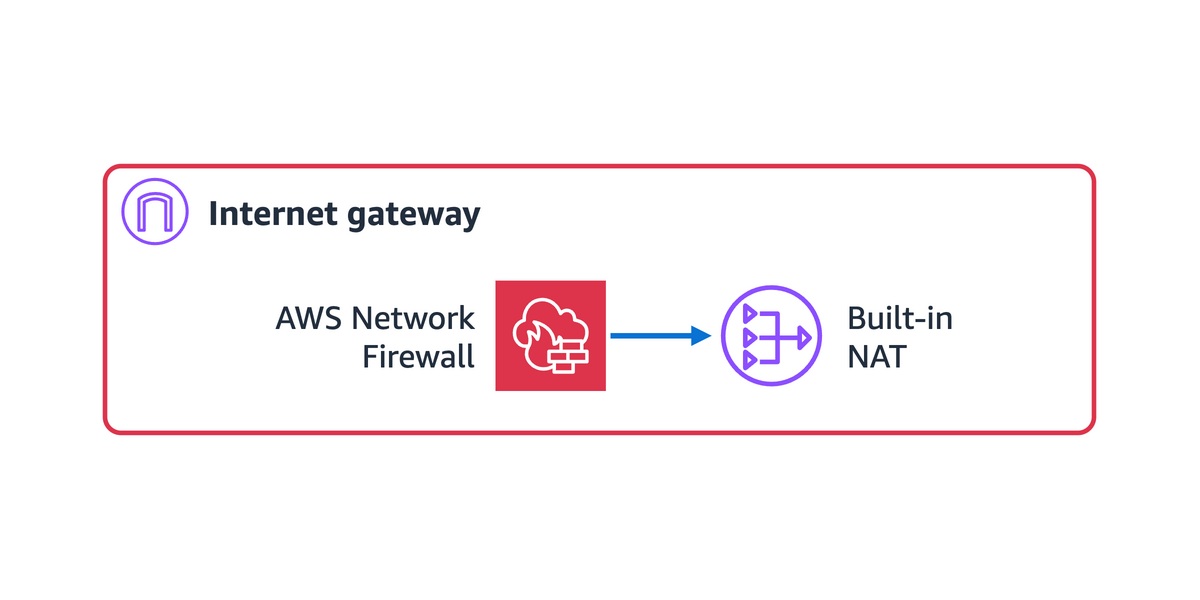
The new feature allows users to apply centrally defined security policies directly at the internet gateway of each virtual private cloud (VPC). Previously, inspecting internet traffic required complex routing through firewall endpoints and separate NAT gateways for every VPC. By moving inspection to the internet gateway, the new mode removes the need for these individual deployments, Amazon Web Services reported.
The service uses AWS Network Security Manager to handle policy deployment across an entire organization or specific accounts. Administrators can define a central policy that automatically extends to future VPCs as they are created. Users can categorize subnets into four connectivity types to determine how traffic is inspected. The flexible option provides bidirectional access for resources with public IP addresses, while those without receive outbound-only access through built-in NAT.
| Connectivity Type | Access Behavior |
| Flexible | Public IP gets bidirectional; others get outbound-only NAT |
| Bidirectional | Public IP gets bidirectional; others have no internet |
| Outbound-only | Unsolicited inbound dropped; outbound via built-in NAT |
| Excluded | Traffic bypasses firewall and NAT entirely |
The system allows for priority-based policy overrides. For instance, an account-specific policy with a priority of 100 will supersede an organizational policy set at 1000,, Amazon Web Services noted.
AWS recommends that organizations begin by deploying the firewall in monitor mode to log traffic activity without blocking connections.
Once the rules are verified, administrators can transition to enforcement mode to begin actively dropping unauthorized traffic. The feature is currently available in all commercial AWS regions during the preview phase, according to aws-news.com.