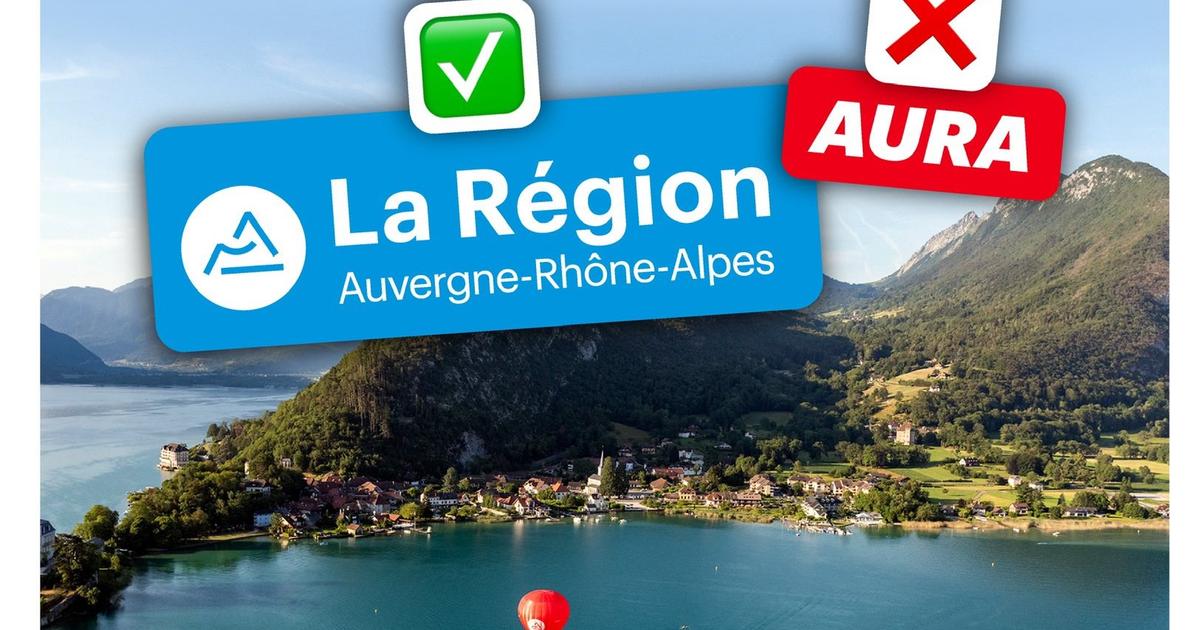
Auvergne-Rhône-Alpes Region Moves to Drop Aura Acronym
The Auvergne-Rhône-Alpes regional government in France has moved to ban the use of the acronym “Aura” in official communications. Regional authorities argue the shorthand is overly administrative and fails to reflect the geographic and cultural diversity of the territory, sparking a broader debate over regional branding and institutional identity.
The Shift Away from “Aura”
As of July 5, 2026, the administration of the Auvergne-Rhône-Alpes region is actively phasing out the “Aura” acronym. The decision, which has been under internal discussion for several months, stems from a desire to move away from what officials describe as a “bureaucratic” reduction of a complex, sprawling territory.

The region, created in 2016 through the merger of the former Auvergne and Rhône-Alpes administrative areas, has long struggled to find a cohesive identity that satisfies residents in both its mountainous rural pockets and its dense urban centers like Lyon and Grenoble. By proscribing the acronym, the regional council aims to force a return to the full, formal name, which they believe conveys the historical weight and distinct character of the two original provinces.
Why Branding Matters in Regional Governance
Regional identity is not merely an aesthetic concern; it carries significant weight for local economies and tourism. When a brand becomes too sterilized or “administrative,” it risks alienating the very populations it represents. For many residents, “Aura” is perceived as a cold, corporate shorthand that prioritizes ease of typing over the actual heritage of the land.
This development has created a ripple effect for organizations that rely on regional naming conventions for their own branding, legal filings, or public-facing materials. Businesses and non-profits that have integrated “Aura” into their operational titles may now face a period of forced rebranding to align with the new regional directive.
For those navigating these shifts, seeking guidance from professional public relations and branding agencies is often the first step in ensuring a smooth transition. Similarly, organizations required to update their legal documentation or corporate statutes to reflect the new naming protocols often consult specialized corporate law firms to mitigate regulatory risks.
The Institutional Impact on Local Infrastructure
Beyond the linguistic shift, the move to drop the acronym reflects a deeper tension between centralized administrative efficiency and local autonomy. Experts in regional planning note that branding is often the visible tip of an iceberg involving budgetary allocation and resource distribution.
“When a region explicitly rejects a shorthand that was meant to simplify its image, it is often a signal that the political leadership wants to re-assert the importance of the constituent parts over the unified whole,” says a senior policy analyst familiar with French regional administrative reforms. “It changes how local departments communicate their budgetary needs and how they are perceived by the national government in Paris.”
Navigating Regulatory and Communication Shifts
The transition away from “Aura” serves as a reminder that administrative directives can quickly impact day-to-day operations for private entities. Whether it is updating signage, reissuing contracts, or adjusting marketing collateral, the administrative burden of such a change can be significant.
For small to medium-sized enterprises that operate across the region, the confusion caused by inconsistent naming can lead to logistical bottlenecks. This is particularly true for those involved in government procurement or public-private partnerships. Engaging with expert administrative consultants can help firms audit their current materials and ensure they remain compliant with the evolving regional standards.
A Look Toward the Future
The rejection of “Aura” is a clear signal that the current regional council is prioritizing a “back-to-basics” approach to regional identity. By emphasizing the full name of Auvergne-Rhône-Alpes, they are betting that the prestige of the historical names will outweigh the convenience of the three-letter acronym.
Whether this move will foster a stronger sense of unity or merely highlight the differences between the two halves of the region remains to be seen. What is certain is that as the region moves forward, clarity and compliance will be the watchwords for any organization looking to maintain a stable partnership with the local government. In an era where institutional branding is increasingly scrutinized, those who adapt early to these changes will be best positioned to thrive.