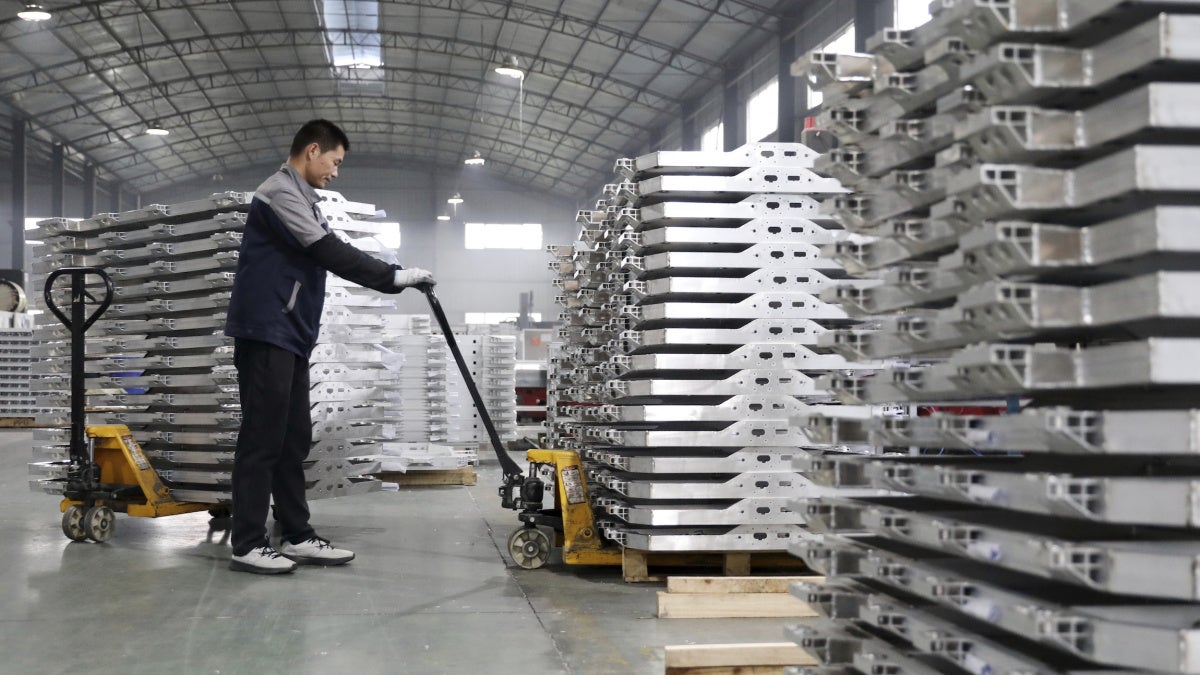
Auto Makers Must Cut Ties with Xinjiang Aluminum Suppliers Linked to Forced Labor
This expansion of the Entity List transforms standard procurement strategies across international supply chains. Under the 2021 Uyghur Forced Labor Prevention Act, goods produced by entities on the list face a legal presumption of forced labor involvement. They cannot enter United States ports without clear, convincing proof that the supply chain is entirely untainted by Xinjiang-based labor transfers.
The Scale of Xinjiang Aluminum Exposure in Global Manufacturing
According to a February 2024 report by Human Rights Watch, more than 15 percent of all aluminum produced in China originates within Xinjiang. This volume accounts for roughly 9 percent of the total global aluminum supply.
The region’s metal production relies heavily on local coal mines and power plants. These industrial facilities participate directly in Chinese government-backed labor transfer programs, which coerce Uyghurs and other Turkic Muslims into assigned jobs both inside Xinjiang and across other provinces. Human Rights Watch documented that these state-mandated programs amount to crimes against humanity.
Recognizing the deep integration of this metal into everyday manufacturing, the US government officially designated aluminum as a high-priority enforcement sector in July 2024. Automotive supply chains depend on this specific material for an array of structural and functional components.
From engine blocks and vehicle frames to wheels and electric battery foils, Chinese aluminum flows into cars manufactured domestically and exported worldwide. When customs authorities intercept components traced back to sanctioned entities, entire vehicle shipments stall at borders, inflicting heavy financial losses on manufacturers.
Mapping Supply Chains to Raw Material Origins
Mitigating this exposure requires rigorous operational overhauls. Global car companies must abandon passive reliance on Tier-1 suppliers and audit their vendor networks down to the raw material level.
Navigating these regulatory hurdles demands comprehensive visibility.
Car companies can no longer afford to tolerate supply chains that overlap with state-sponsored coercive labor programs. Disengaging from Xinjiang-based aluminum producers is no longer merely a matter of corporate social responsibility; it is an absolute prerequisite for maintaining market access in the United States.
Manufacturers that fail to decouple their procurement pipelines from coerced labor face protracted border detentions, severe legal liabilities, and lasting reputational damage.