
autism and Epilepsy Linked by Brain activity,Potential New Treatments Emerge
Table of Contents
- autism and Epilepsy Linked by Brain activity,Potential New Treatments Emerge
STANFORD,CA – A new study from Stanford Medicine reveals a compelling connection between autism spectrum disorder and epilepsy,pinpointing overactivity in a specific brain region as a potential shared cause. Researchers suggest that modulating activity in this area could offer a novel therapeutic approach for both conditions. This actionable insight could reshape how we understand and treat these complex neurological disorders.
The Thalamic Reticular Core: A Key Regulator
The research centers on the thalamic reticular core (TRN), a brain structure that functions as a gatekeeper for sensory information traveling from the thalamus to the cerebral cortex. John Huguenard, professor of neurology and neuroscience at Stanford, explained, “We have shown that this area plays a key role in behaviour that looks like autism.” This finding suggests the TRN is crucial in filtering stimuli and influencing behavioral patterns.
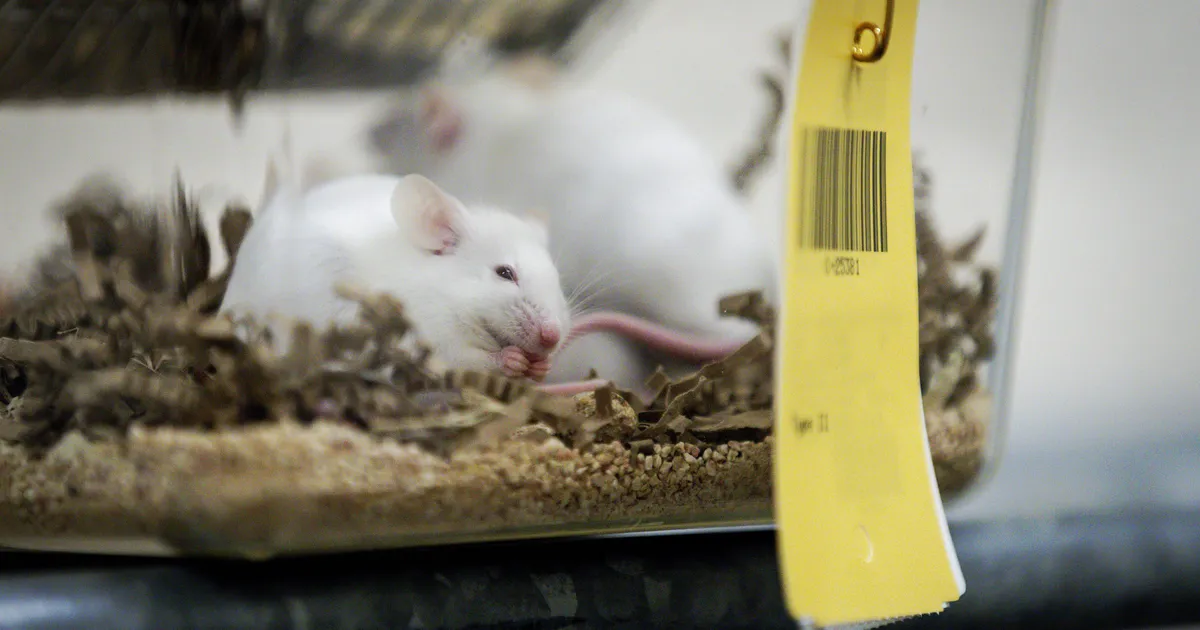
In laboratory mice exhibiting autism-like traits, researchers observed heightened activity within the TRN when exposed to stimuli like light, open spaces, and during social interactions. This overactivity spontaneously triggered seizure-like events, establishing a direct link to epilepsy, a condition that occurs more frequently in individuals with autism [[1]].
Did You Know? Individuals with autism are two to three times more likely to experience seizures than the general population.
Reversing Symptoms with Targeted Therapy
The research team successfully reversed these symptoms in mice using medications that suppressed TRN activity. notably, the experimental anti-epilepsy drug Z944 demonstrated effectiveness in reducing heightened stimulus sensitivity, repetitive behaviors, and social withdrawal.Sung-Soo Jang, a researcher involved in the study, stated, “that indicates that the mechanisms behind autism and epilepsy partly overlap.”
genetic Manipulation Reveals TRN’s Role
Researchers employed a technique called Dreadd technology to genetically modify brain cells, enabling them to respond to specifically designed medications. This allowed them not only to suppress autism-like symptoms in mice but also to induce such behaviors in healthy mice by artificially activating the TRN. This demonstrates a causal relationship between TRN activity and autism-related behaviors.
The findings, published in the journal Science Advances, identify the TRN as a promising target for future autism treatments. Huguenard believes this discovery “could open a whole new path for therapies that are greatly needed.”
Understanding the Connection: A Closer Look
The link between autism and epilepsy is increasingly recognized by the medical community. Research suggests shared genetic and neurological factors contribute to the co-occurrence of these conditions [[2]]. The TRN’s role in sensory processing and behavioral regulation provides a compelling explanation for this overlap.
Pro Tip: Early diagnosis and intervention are crucial for both autism and epilepsy. If you observe concerning behaviors or symptoms,consult with a healthcare professional.
| Research Focus | Key Finding | Implication |
|---|---|---|
| Thalamic Reticular Core (TRN) | Overactivity in TRN linked to autism-like behaviors and seizures. | TRN is a potential therapeutic target for both conditions. |
| Z944 (Anti-Epilepsy Drug) | Reduced stimulus sensitivity,repetitive behaviors,and social withdrawal in mice. | Suggests overlapping mechanisms between autism and epilepsy. |
| Dreadd Technology | Enabled manipulation of TRN activity to induce or suppress autism-like behaviors. | Demonstrates a causal link between TRN and autism. |
What impact do you think this research will have on the future of autism treatment? How might understanding the TRN’s role change our approach to managing epilepsy?
Looking Ahead: The Future of Autism and Epilepsy Research
The connection between autism and epilepsy is a growing area of research.Ongoing studies are exploring the genetic and environmental factors that contribute to the co-occurrence of these conditions. Advances in neuroimaging and genetic testing are providing deeper insights into the underlying mechanisms. The development of targeted therapies, such as those focusing on the TRN, holds promise for improving the lives of individuals affected by autism and epilepsy.
Frequently Asked Questions About Autism and Epilepsy
- What is the link between autism and epilepsy? Research suggests shared neurological factors, particularly involving the thalamic reticular core, contribute to the increased co-occurrence of these conditions.
- Can epilepsy be treated in individuals with autism? Yes,epilepsy can be treated with standard anti-epilepsy medications,but careful consideration is needed due to potential interactions with other medications and individual sensitivities.
- what is the thalamic reticular core (TRN)? The TRN is a brain structure that acts as a gatekeeper for sensory information, regulating which stimuli reach the cerebral cortex.
- Is this research applicable to humans? While the study was conducted on mice, the findings suggest a promising avenue for future research and potential therapies in humans.
- What are the symptoms of epilepsy in individuals with autism? Symptoms can vary but may include seizures, loss of consciousness, and unusual movements or behaviors.
This groundbreaking research offers a beacon of hope for individuals and families affected by autism and epilepsy. We encourage you to share this article with your network and join the conversation.Subscribe to our newsletter for the latest updates on medical breakthroughs and scientific discoveries.
