
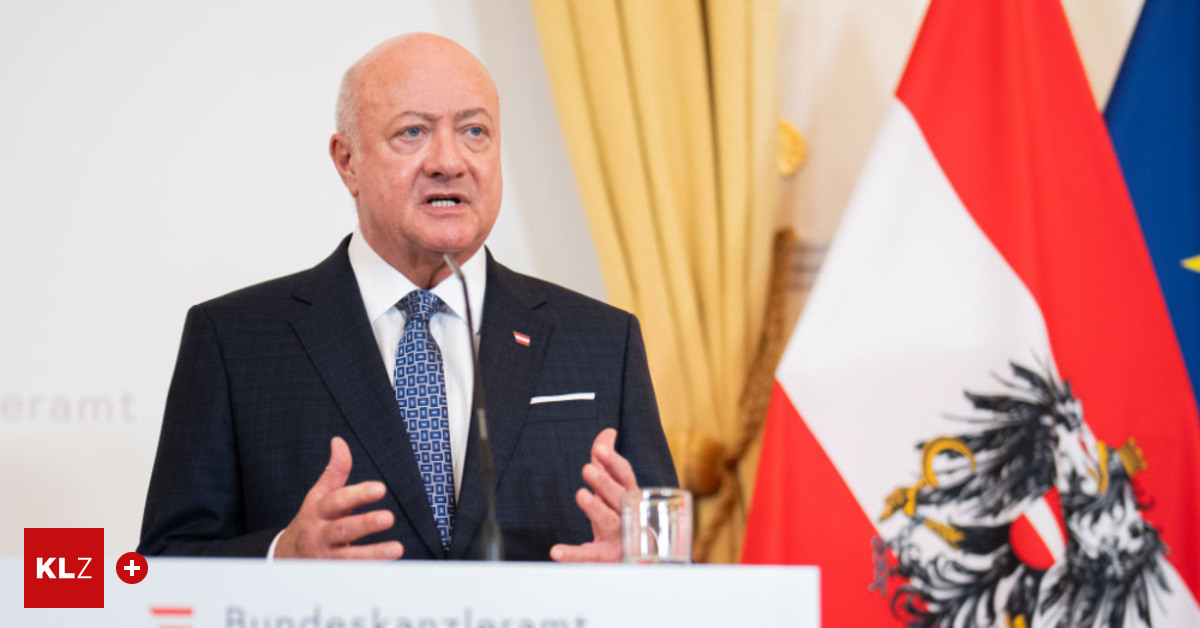
Austrian Chancellor Christian Stocker announced plans for a national referendum on the future of mandatory military service, a move prompted by ongoing debate over potential reforms to the country’s defense structure. The decision, revealed during the Austrian People’s Party (ÖVP) New Year’s address, aims to avoid imposing an extension of service “over the heads of the population,” according to Stocker.
The announcement follows deliberations by a national service reform commission, which has proposed several models for restructuring Austria’s military and civilian service obligations. While the specifics of the referendum are still under development, Stocker indicated that voters will be presented with options involving an extension of mandatory service. He explicitly stated that maintaining the current system – a six-month conscription period – will not be offered as a choice.
In an interview with oe24, Stocker clarified that the referendum would focus on two potential models for extending service, aiming to streamline the parliamentary process. “If One can agree parliamentarily on a maximum of two variants to be presented to the people for a decision, that can accelerate the process,” he said. The commission’s proposals include options ranging from eight months of basic military service with two months of mandatory militia exercises, to six months of basic service with 100 days of militia duty, and four months of basic service with 140 days of militia exercises. More comprehensive models involving a gender-neutral, universal conscription with longer service periods and selective training have also been considered.
The move has elicited a cautious response from Austria’s coalition partners. Vice Chancellor Andreas Babler of the Social Democratic Party (SPÖ) stated that the necessity and practicality of a referendum would be discussed at the government level. Douglas Hoyos, General Secretary of the NEOS party, indicated a preference for a parliamentary process to achieve a swift agreement on national security measures, following the report of the national service commission.
Stocker acknowledged the need for parliamentary cooperation, noting that a two-thirds majority is required to extend the period of civilian service, a component intrinsically linked to any changes in military service requirements. He suggested the referendum could serve as a signal to guide parliamentary negotiations. “In the process, we will now discuss what positions the other parties have, which I do not yet know,” Stocker conceded.
The proposed referendum comes as Austria grapples with evolving geopolitical challenges and a reassessment of its defense capabilities. The debate over mandatory service reflects a broader discussion about the country’s security posture and its ability to respond to potential threats. The outcome of the referendum is expected to significantly influence the future of Austria’s national service system and its overall defense strategy.
