Australians Exposed to Banned Pregnancy Drug DES Face Rare Cancer Risks, Urge Government Action
Tens of thousands of Australians exposed in utero to diethylstilboestrol face rare cancer risks, prompting calls for urgent government screening funding, The Sydney Morning Herald reported on Thursday.
The drug, commonly known as DES, is linked to cancer, gynaecological problems, fertility issues, and pregnancy complications. While those pressing for change have compared the scandal to the use of Thalidomide for morning sickness in the late 1950s and early 1960s, there is currently no established link between DES exposure and cancer in the children or grandchildren of those originally exposed.
- Jenny Long lived 65 years with infertility, ovary cysts, and cancer screenings after in utero DES exposure.
- Australian doctors were advised to stop prescribing the drug in 1972 after links to clear cell adenocarcinoma.
- Around one in 1,000 DES daughters will develop this rare and aggressive vaginal and cervical cancer.
Decades of Medical Fallout
Her mother took the medication in the early 1960s on doctor advice after suffering multiple miscarriages.
“Mum had a lot of guilt because I wasn’t able to fall pregnant,” Long told The Sydney Morning Herald.
“People definitely need to be more aware that they were given this drug or exposed to it,” Long added.
Campaigners and academic experts are urging the federal government to investigate how many DES daughters and sons exist. They also want funding for an awareness campaign to push affected women toward additional cancer screenings.
Such initiatives have already occurred internationally, with the United States and France funding long-term cohort studies and the United Kingdom government issuing an apology to victims last year while commissioning a scientist-led review into the drug’s long-term impact. It is estimated that more than 300,000 women were prescribed the drug during pregnancy in the UK.

Advocates Push for Action
She discovered her own exposure at age 16 after her mother consumed 27 tablets of the drug a day while pregnant and read about cancer links in a Reader’s Digest article.
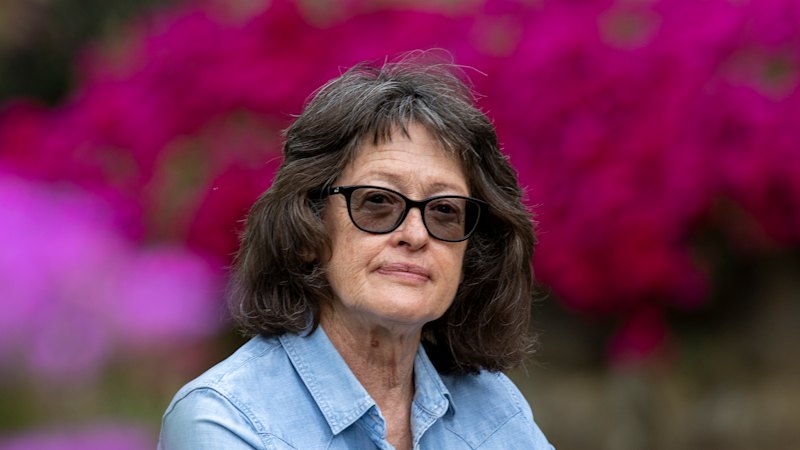
“At that time, nothing was known about the incidence,” Thornleigh.Carol Devine said.
“I thought I was going to die,” Devine told The Sydney Morning Herald. “My mother suffered enormously with guilt. She felt terrible having taken it.”
Devine has experienced four miscarriages, two premature births, and frequent surgeries to remove uterine nodules. In 1995, she placed a local newspaper advertisement that drew a massive response from people across Australia.
“The phone never stopped ringing,” she said, noting that the response provided a clue to the scale of the problem. She has since handled more than 1,500 inquiries. “I’ve had midwives from that era phone me to tell me it was handed out like lollies,” Devine said.
 0.2845%2Cmultiply_0.7554%2Cratio1.777778%2Cwidth_1059%2Cx517%2Cy_34/t_crop_custom/q_86%2Cf_auto/6a2e78bb6594c1a10f3ea672c423ea8f06c4ee84″ alt=”” title=”Photo: globeverge.com” width=”800″ height=”450″ style=”max-width:100%;height:auto;border-radius:4px;” loading=”lazy” />
“There would be a lot of people who are literally walking time bombs who don’t know about this, and who need to know about the specialist care that they need,” Devine warned.
Expert Warnings and Official Response
Pharmaceutical companies marketed it anyway because proof of efficacy was not then required. She suggested the issue has been ignored, stating, “It’s been swept under the carpet.”
“It’s terrible to think that women were given this medication in good faith to protect their babies, but it has caused harm to them later on,” Mintzes told The Sydney Morning Herald.
A federal Department of Health spokesman stated it is currently not feasible to commission research into the scale of exposure due to a relatively small clinically affected group, a lack of validated data sources, and the passing of time.
The department said that officials will continue monitoring emerging evidence to inform future policy decisions. It remains unknown how many Australians remain unaware of their exposure or the specific medical screenings required to manage their long-term health risks.