Australian Students Scuba Dive to Restore Native Oyster Reefs in Coffin Bay
Australian high school students completed SCUBA training and placed 28 restoration units across Coffin Bay in South Australia to rebuild depleted native oyster reefs, according to a 2026 study published in People and Nature. The project brought teenagers aged 15 to 17 directly into marine restoration, providing a foundation where young oysters and 68 other faunal species quickly colonized the seafloor.
The Historical Decline of Native Oysters in Coffin Bay
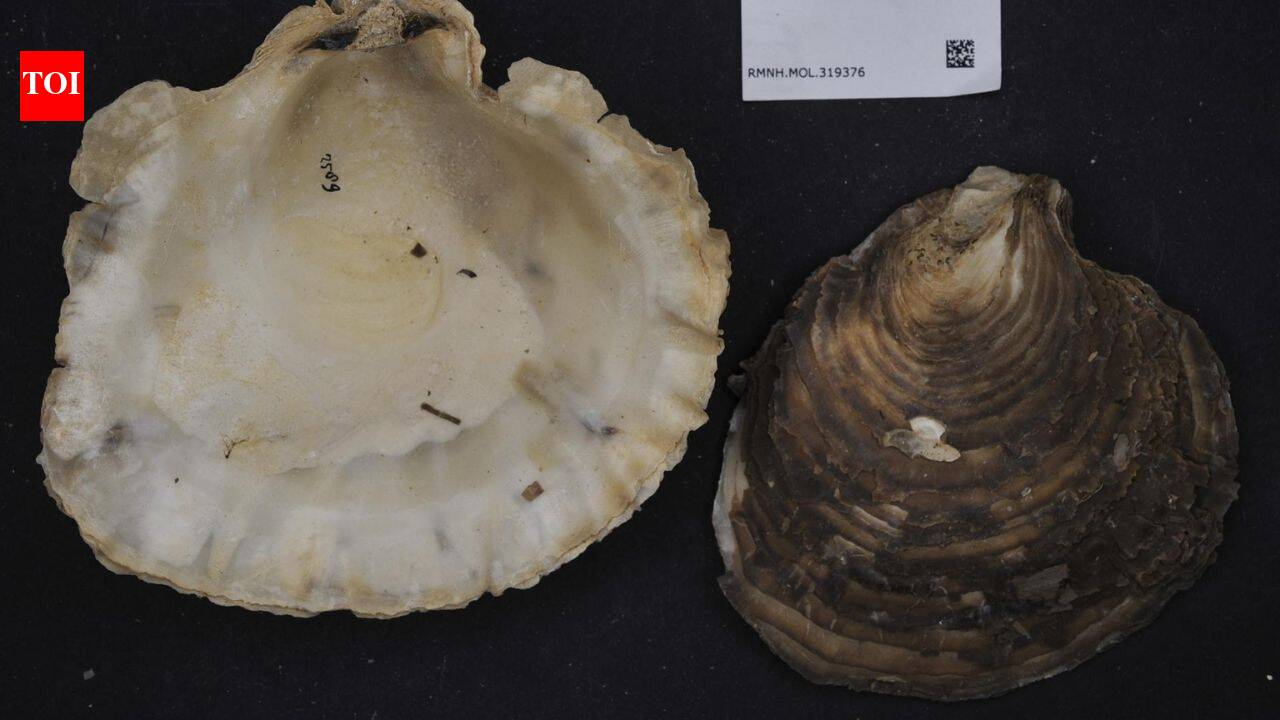
Coffin Bay on the Eyre Peninsula historically supported extensive reefs of the native oyster Ostrea angasi. Early colonial settlement in the area earned the moniker Oyster Town due to a highly productive dredge fishery. Decades of overharvesting drove these native populations to functional extinction locally, while dredging stripped away the hard substrate required for young oysters to settle. Sediment runoff subsequently covered much of the remaining shell material, preventing natural recovery long after commercial dredging ceased.
While the modern bay maintains a commercial industry centered on introduced Pacific oysters, researchers investigated whether native populations could reclaim their historical habitat if given a proper foundation. The degradation of these shellfish ecosystems across southern Australia reduced critical coastal biodiversity, as complex reef structures historically provided shelter, feeding, and breeding grounds for numerous marine species. Restoring these habitats remains a central goal for modern environmental conservation.
Student Involvement and SCUBA Field Preparation
Ten students aged 15 to 17 from two regional high schools participated in the hands-on ecological experiment. Rather than confining conservation efforts to the classroom, the project integrated teenagers directly into fieldwork alongside diving professionals. Funding provided by an Environmental Citizen Science Small Grant from the South Australian Government covered all costs, enabling the students to complete professional training and earn their PADI Open Water Diver certifications free of charge.

Before deploying any equipment, the students helped source historical shell material. Working underwater, they carefully excavated old oyster shells buried beneath marine sediment by hand. Once brought to the surface, workers cleared away remaining organic matter before cleaning, drying, and sterilizing the shells for use in the restoration structures.
Deployment and Three-Month Monitoring of Restoration Units
Researchers and students deployed 28 restoration units across eight distinct sites in Coffin Bay during the peak oyster recruitment season from January to April. Four locations sat within no-fishing Sanctuary Zones, while four nearby control sites permitted standard activities. Each unit consisted of a plastic mesh crate measuring 40 by 20 by 15 centimeters, packed with 100 clean native oyster shells and fitted with two concrete settlement panels. The open design allowed water currents and small organisms to pass through freely while offering hard attachment surfaces for swimming oyster larvae.
When the team returned three months later to retrieve the units, every single structure had successfully attracted juvenile oysters. Recruitment density, however, varied substantially across the bay. Individual units yielded between 26 and 2,388 oysters. Dutton Bay recorded the highest average recruitment at approximately 1,257 oysters per unit, compared to 348 at Kellidie Bay and 160 at Yangie Bay. Settlement panels similarly captured between 44 and 20,065 young oysters per square metre, demonstrating localized differences in environmental conditions favourable to reef recovery.
Marine Colonization Beyond Oysters
The mesh crates served as multi-species habitats rather than single-species nurseries. Within three months, the units accumulated 3,342 organisms spanning 68 different faunal species. The survey data generated new distribution and occurrence records for several regional species, including two distinct fish species. Sanctuary areas generally displayed higher metrics of species diversity compared to control zones, though localized variations persisted across different sites.
Application essays submitted by the students revealed 23 distinct motivations behind their desire to join the conservation effort, appearing 297 times across the 10 essays. Educators noted that participation in active marine science builds long-term environmental awareness, transitioning students from passive learners to active contributors in regional ecosystem management.
Long-Term Ecological Outlook for Coffin Bay
While the rapid colonization offers encouraging early evidence that Coffin Bay retains water conditions capable of supporting native oyster recruitment, marine scientists emphasize that rebuilding self-sustaining reefs is a gradual process requiring years of sustained monitoring. A single set of deployed units represents an initial step toward reversing generations of habitat degradation. Continued collaboration between regional schools, research institutions, and conservation agencies remains vital as communities evaluate whether large-scale native oyster restoration can succeed across southern Australia.