
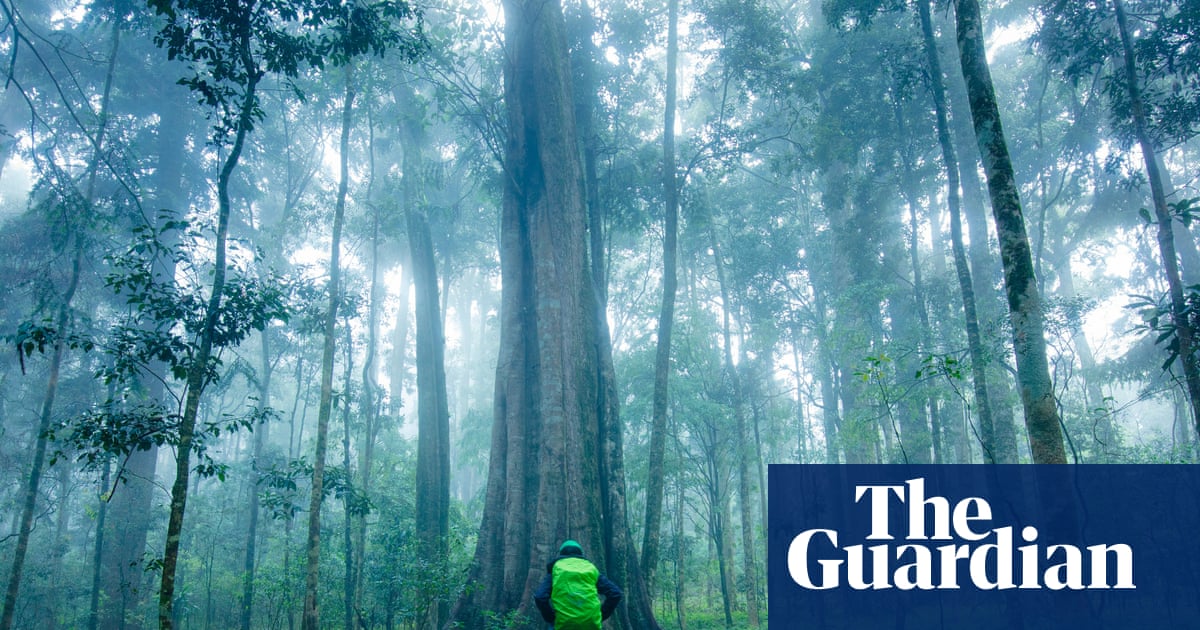
Australian Rainforests Now Release More Carbon Than They Absorb, Landmark Study finds
Cairns, Australia – In a world first, Australian tropical rainforests have transitioned from being a carbon sink to a net source of carbon emissions, according to new research published this week.The findings, based on a unique 53-year dataset, reveal a concerning shift in the ability of these vital ecosystems to mitigate climate change, demanding accelerated action to reduce global emissions.
The analysis, led by David Karoly of the University of Melbourne, tracked approximately 11,000 trees across 20 forest sites in Queensland since 1971.While the forests continue to play a role in absorbing carbon dioxide (CO2), the study demonstrates that gains in carbon storage are now outweighed by losses, primarily due to increased tree mortality. This reduced capacity to absorb extra carbon will make emissions cuts “a lot harder” and necessitate a more rapid transition away from fossil fuels, Karoly stated.
The research focused on carbon stored above ground in tree trunks and branches, providing a critical baseline understanding of forest health.Dr.Raphael Trouve, a forest dynamics expert at the University of Melbourne not involved in the study, emphasized the importance of long-term data collection, noting his own research – published earlier this year and relying on a 50-year Victorian forest dataset – found mountain ash forests were “thinning rapidly” under hotter, drier conditions.
“We thought the forest would be able to store more carbon because[CO[CO[CO[CO2]is increasing,” Trouve explained. “But looking at these long term empirical datasets, we find that is not the case – it allows us to confront the theory with reality and better understand how these systems work.”
The findings underscore the vulnerability of even seemingly resilient ecosystems to the impacts of climate change and highlight the urgent need for comprehensive strategies to protect and restore forests globally.
