
Players Demand Greater Revenue Share from Grand Slam Tournaments
Melbourne, Australia – January 12, 2026 – Top tennis players, including Jannik Sinner, Aryna Sabalenka, and Alexander Zverev, are collectively pushing for a important overhaul of prize money distribution at the four grand Slam tournaments. The players are advocating for a larger percentage of tournament revenue allocated to prize pools, increased player consultation on the sport’s structure, and greater financial support for player welfare initiatives.
the Core of the Demand: A Fairer Revenue Split
For years, the debate over revenue distribution in professional tennis has simmered. Players argue that the Grand Slams – Wimbledon, the US Open, the French Open, and the Australian Open – generate ample profits from the sport, yet the percentage allocated to prize money doesn’t adequately reflect player contributions. Currently, the revenue split varies between tournaments. The Australian Open, such as, allocates approximately 16% of its revenue to prize money, a figure mirrored by the US Open. Wimbledon offers around 13%, while the French Open’s figures remain undisclosed.
The players are now seeking a staged increase over the next five years,aiming for a 22% revenue share – the level currently seen at many ATP and WTA combined tour events. This change would represent a substantial boost to earnings for players across the board, particularly those outside the very top echelon.
Financial Figures and Recent Developments
The Australian Open is leading the way in prize money increases. According to the Australian Financial Review,Tennis Australia generated $697.2 million (approximately £346 million) in total revenue in 2025, largely from the Australian Open. This revenue translates to a prize pool representing roughly 16% of the total income.
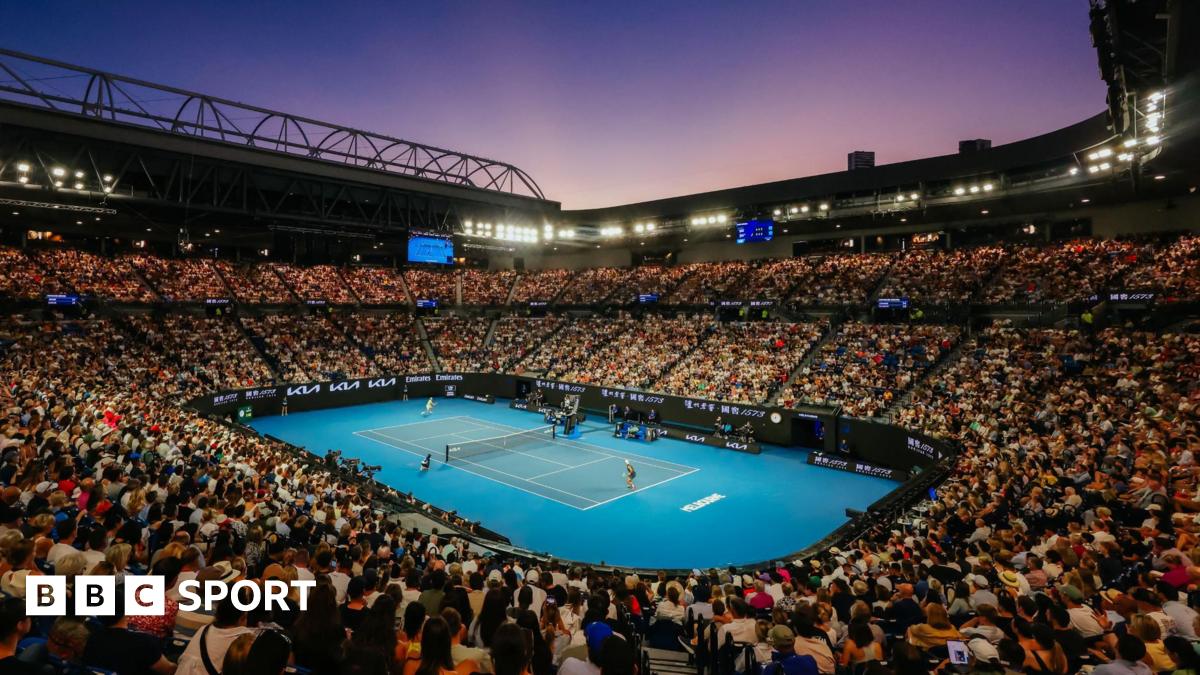
This year’s australian Open prize pool surpasses those of Wimbledon (£53.5 million) and the French Open (£47.5 million) in 2025, though it remains behind the US Open’s £67.4 million. The Australian Open 2026 is set to begin on January 18th in Melbourne, and will be closely watched as a potential testing ground for these proposed changes.
Beyond Prize Money: Player Welfare and Governance
The players’ demands extend beyond simply increasing the prize money. They are also calling for a greater voice in the governance of the sport and increased financial contributions towards essential player support systems. Specifically, the group is advocating for:
- Increased Pension Contributions: Ensuring a more secure financial future for players after their careers end.
- Enhanced Healthcare Access: Providing thorough and affordable healthcare options for all professional tennis players.
- Improved Maternity Support: Offering robust financial and logistical support for players taking maternity leave.
These demands highlight a growing concern among players about the long-term financial and physical well-being of those who dedicate their lives to the sport.
The Broader Implications for tennis
This push for a fairer revenue split and improved player welfare has the potential to reshape the landscape of professional tennis. A more equitable distribution of revenue could attract and retain talent, fostering greater competition and excitement for fans. Increased investment in player support systems could also help to address concerns about burnout and injury, ensuring the long-term health of the sport.
However, negotiations with the Grand Slam organizers are likely to be complex.the tournaments have their own financial considerations and stakeholders to answer to. Finding a mutually agreeable solution will require compromise and a willingness to prioritize the long-term health and sustainability of professional tennis.
Key Takeaways
- Top players are demanding a larger share of Grand Slam revenue, aiming for 22%.
- Tennis Australia generated $697.2 million in revenue in 2025, with 16% allocated to prize money.
- Players are also seeking greater input into the sport’s governance and increased support for pensions, healthcare, and maternity leave.
- The outcome of these negotiations could significantly impact the future of professional tennis.
