
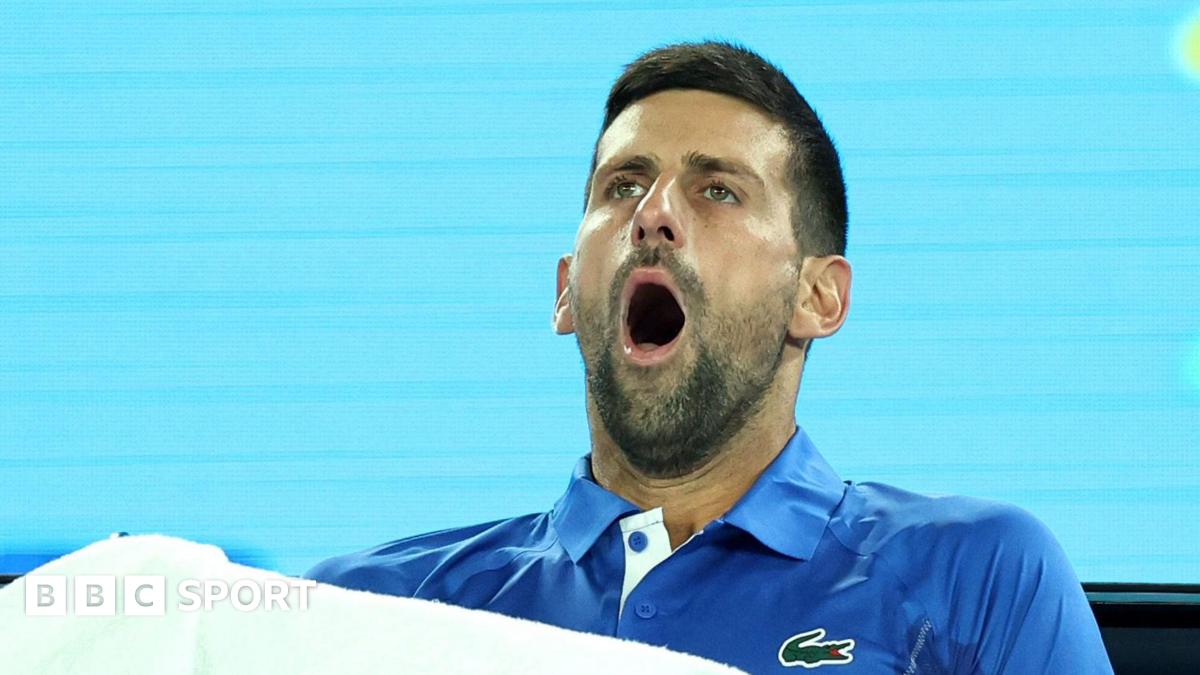
## Battling Jet Lag: How Tennis Pros Combat Travel Fatigue and the Risks of Sleep Aids
Tennis professionals face a uniquely demanding travel schedule, crisscrossing the globe to compete on five continents. In 2024 alone, ATP data revealed men’s players collectively travelled 2.3 million kilometers [[3]]. Successfully navigating jet lag is therefore paramount to performance, leading players to employ a variety of strategies – some conventional, others surprisingly unique.
The challenge lies in quickly resetting the body’s natural circadian rhythm. Novak Djokovic, a 24-time Grand Slam champion, prioritizes hydration during flights, enhancing his water with lemon, mint, and salt [[1]]. Upon arrival, he emphasizes grounding – walking barefoot on natural surfaces – followed by a hot bath with Epsom salts, and actively seeks out sunrise viewing to aid in brain resetting [[1]].beyond these practices, many players turn to natural herbal remedies containing valerian, hops, chamomile, and passionflower to promote sleep. However, melatonin, a hormone naturally produced by the brain to regulate sleep, has become increasingly popular as a sleep aid amongst athletes.This reliance on melatonin, though, carries potential risks. In 2024, Iga Swiatek, a six-time Grand Slam champion, received a one-month ban after testing positive for a banned substance found to be a contaminant in her melatonin supplement [[3]] and
