
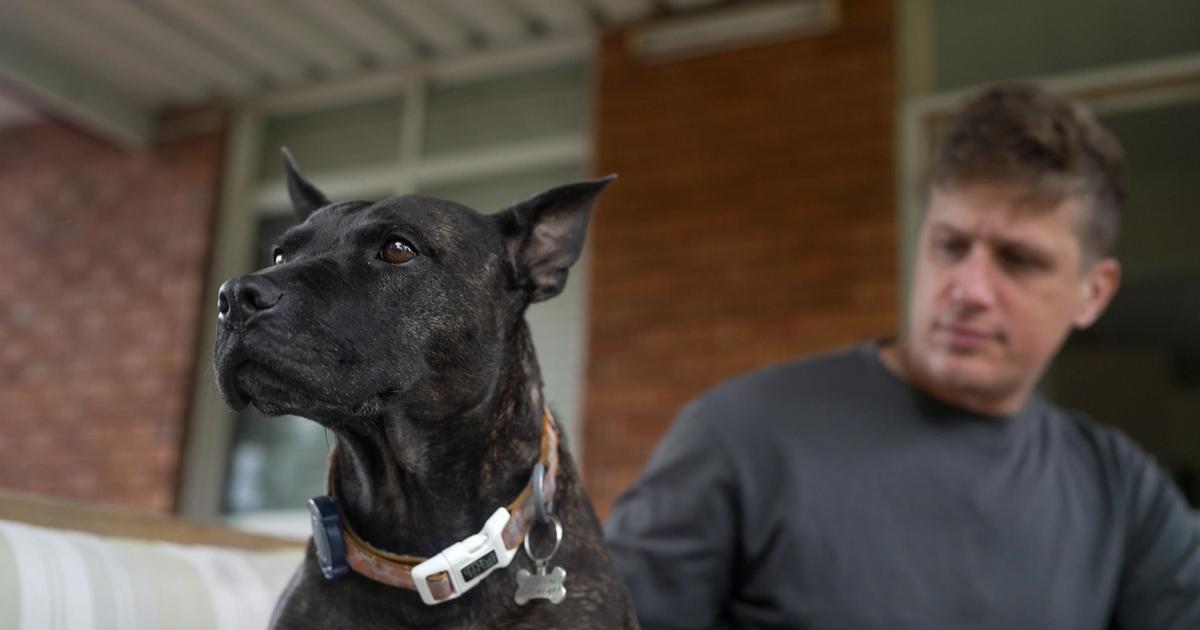
Australian AI Engineer Creates Experimental Cancer Vaccine to Save His Dog
When Paul Conyngham, an Australian artificial intelligence consultant, received a terminal cancer diagnosis for his beloved dog, Rosie, he faced a scenario all too familiar to pet owners: the exhaustion of standard treatment options and the looming specter of euthanasia. Rather than resigning himself to the outcome, Conyngham leveraged his professional expertise in machine learning to engineer a bespoke, experimental mRNA vaccine. While the narrative of a “DIY cure” captures the public imagination, the medical reality is far more complex. This case serves as a potent illustration of the convergence between computational biology and veterinary oncology, highlighting both the transformative potential of personalized immunotherapy and the significant regulatory and safety hurdles that remain.
Key Clinical Takeaways:
- Antigen Identification: The efficacy of cancer vaccines relies on the precise identification of tumor-specific antigens, a process now accelerated by AI-driven genomic sequencing.
- Regulatory Gap: Unlike human medicine, veterinary therapeutics often lack the rigorous Phase III clinical trial infrastructure, creating a “wild west” environment for experimental treatments.
- One Health Implications: Successes in canine oncology often provide critical data for human clinical trials, reinforcing the “One Health” approach to disease management.
The Mechanics of Personalized Immunotherapy
The core of Conyngham’s intervention mirrors the mechanism of action found in modern human oncology: training the immune system to recognize and attack malignant cells. In traditional chemotherapy, cytotoxic agents indiscriminately kill rapidly dividing cells, leading to significant morbidity. In contrast, mRNA vaccines function by delivering genetic instructions that code for specific neoantigens—unique protein markers found on the surface of the tumor. Once these antigens are expressed by the host’s cells, the immune system mounts a targeted response.
Historically, identifying these neoantigens was a labor-intensive process requiring weeks of manual genomic analysis. Although, the integration of artificial intelligence has drastically reduced this timeline. Algorithms can now scan tumor sequencing data to predict which epitopes are most likely to trigger a robust T-cell response. This shift from a “one-size-fits-all” approach to personalized medicine represents a paradigm shift in how we approach solid tumors, both in veterinary and human contexts.
“The ability to rapidly sequence a tumor and design a corresponding mRNA construct is no longer science fiction; This proves the emerging standard of care in high-level oncology. However, the leap from computational design to clinical efficacy requires rigorous validation that often exceeds the resources of individual practitioners.”
Navigating the Regulatory and Safety Landscape
While the outcome for Rosie appears positive, the medical community must approach such anecdotal successes with fierce objectivity. The development of a therapeutic vaccine outside of a controlled clinical trial environment introduces significant variables. In human medicine, the pathway from concept to approval involves stringent Quality Manufacturing Practice (GMP) protocols to ensure purity, potency, and sterility. In the veterinary sector, while the FDA’s Center for Veterinary Medicine (CVM) provides oversight, the barrier to entry for experimental compassionate use is notably different.
The primary risk in unregulated vaccine development is not merely inefficacy, but the potential for autoimmunity or cytokine storms. If the AI model incorrectly identifies a self-antigen as a tumor target, the resulting immune response could attack healthy tissue. Without adjuvant optimization, the vaccine may fail to penetrate the tumor microenvironment, rendering the treatment useless while delaying palliative care.
For pet owners navigating similar diagnoses, the temptation to seek “off-label” or experimental solutions is understandable. However, it is critical to engage with board-certified veterinary oncologists who can access legitimate clinical trials. These specialists operate within a framework of ethical oversight, ensuring that experimental therapies are administered with appropriate monitoring for adverse events.
The “One Health” Bridge: From Canine to Human
The significance of Conyngham’s work extends beyond veterinary medicine. Canine cancers, particularly osteosarcoma and melanoma, share striking genetic and biological similarities with their human counterparts. Dogs develop these diseases spontaneously in an immune-competent environment, making them superior models to genetically engineered mice for testing immunotherapies.
According to data published in Nature Reviews Cancer, the translational value of canine clinical trials is immense. A successful protocol in a dog can fast-track human applications, and vice versa. This symbiotic relationship is often formalized through comparative oncology programs, such as those supported by the National Cancer Institute. When an AI engineer successfully designs a vaccine for a dog, they are inadvertently stress-testing algorithms that could eventually serve human patients.
However, the funding and transparency of such initiatives remain opaque. Unlike pharmaceutical developments funded by major grants or biotech firms, individual innovations often lack the peer-reviewed documentation required for scientific replication. This underscores the need for a more integrated infrastructure where private innovation can be validated by academic institutions.
Clinical Triage and Patient Advocacy
For families facing a cancer diagnosis in a companion animal, the path forward requires a balance of hope and clinical pragmatism. The “DIY” approach, while heroic in narrative, is not a scalable or safe standard of care for the general population. The complexity of mRNA synthesis, lipid nanoparticle delivery, and cold-chain storage requires industrial-grade infrastructure.
Instead, the focus should be on accessing established diagnostic and therapeutic channels. Early detection remains the most potent tool in oncology. Utilizing advanced veterinary imaging centers for regular screening in predisposed breeds can identify malignancies at a stage where surgical resection is still viable. Owners should inquire about enrollment in clinical trials at university teaching hospitals. These programs offer access to cutting-edge therapies—including AI-designed vaccines—under the supervision of principal investigators who adhere to strict ethical and safety guidelines.
The story of Rosie is a testament to the power of interdisciplinary innovation, proving that AI can democratize complex biological design. Yet, in medicine, anecdote is not evidence. As we move toward a future where personalized cancer vaccines develop into commonplace, the role of the clinician remains paramount: to interpret the data, manage the risk, and ensure that the pursuit of a cure does not compromise the safety and dignity of the patient.
Disclaimer: The information provided in this article is for educational and scientific communication purposes only and does not constitute medical advice. Always consult with a qualified healthcare provider regarding any medical condition, diagnosis, or treatment plan.