
Roost: Austin’s Hidden architectural Gem Prioritizes Minimal Impact
A Sanctuary Unveiled
Nestled within the secluded landscape of Austin, Texas, Roost, designed by Furman + Keil Architects, is a 928-square-foot timber structure that reveals itself gradually. Far below the elevation of its surrounding neighborhood, it remains concealed by a dense tree canopy. Access is granted either by a narrow stairwell or a tranquil paddle along the water. The descent to Roost, winding through a limestone grotto and into the wetlands, evokes a sense of entering a hidden world.
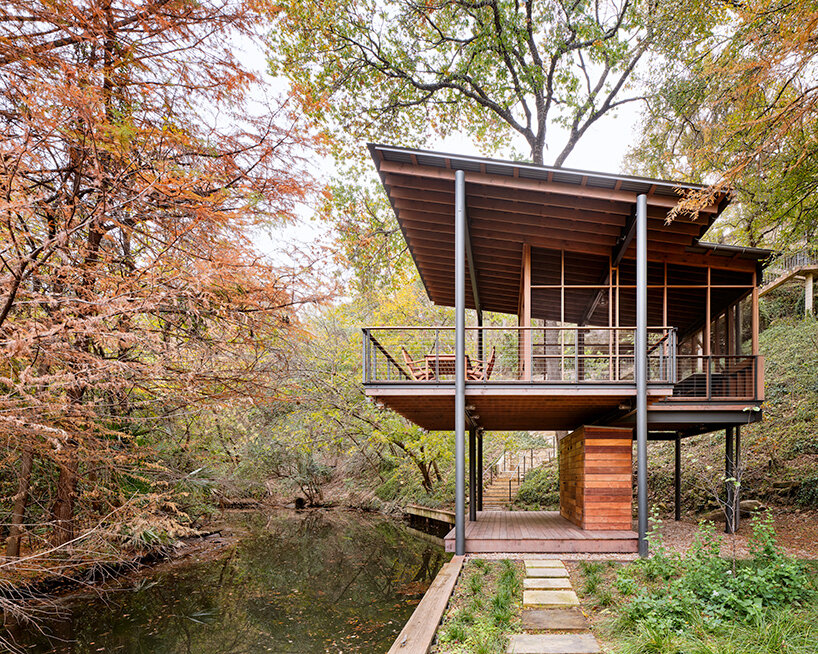
Roost is hidden deep below its surrounding austin neighborhood along a secluded waterway
Living Lightly on the Land
Furman + Keil Architects offer a unique approach to inhabiting the landscape without disrupting its natural rhythms. Elevated above the water on steel piers, the structure appears to hover, providing a vantage point into the surrounding treetops. A screened porch invites long afternoons dedicated to birdwatching, while the shaded space beneath serves as both a launch for boats and a functional zone for engaging with the shoreline. This design expands the possibilities for seasonal living without increasing the home’s conditioned footprint.
Did you know? The choice of timber for roost’s structure was deliberate, reflecting a commitment to sustainable building practices and minimizing the project’s environmental impact.
Resilience in Design
The Roost extension directly addresses the constraints and conditions of its delicate wetland setting. The inaccessibility of the wetland to most construction equipment necessitated a strategy that woudl preserve the terrain while allowing a durable structure to emerge. elevating the project minimized ground disturbance, preserved the fragile ecology, and offered new sightlines across the water’s edge.The return of owls nightly, settling onto the structure, highlights its integration into the ecosystem.
Roost is shaped by a desire for permanence within a fluctuating landscape. The site’s history of flooding required that every material and form decision serve longevity and adaptability. By re-using the previous steel piers and elevating the new platform, the architects created a resilient envelope that can withstand rising water while remaining deeply attuned to its setting. the absence of traditional foundations reflects a commitment to light intervention.
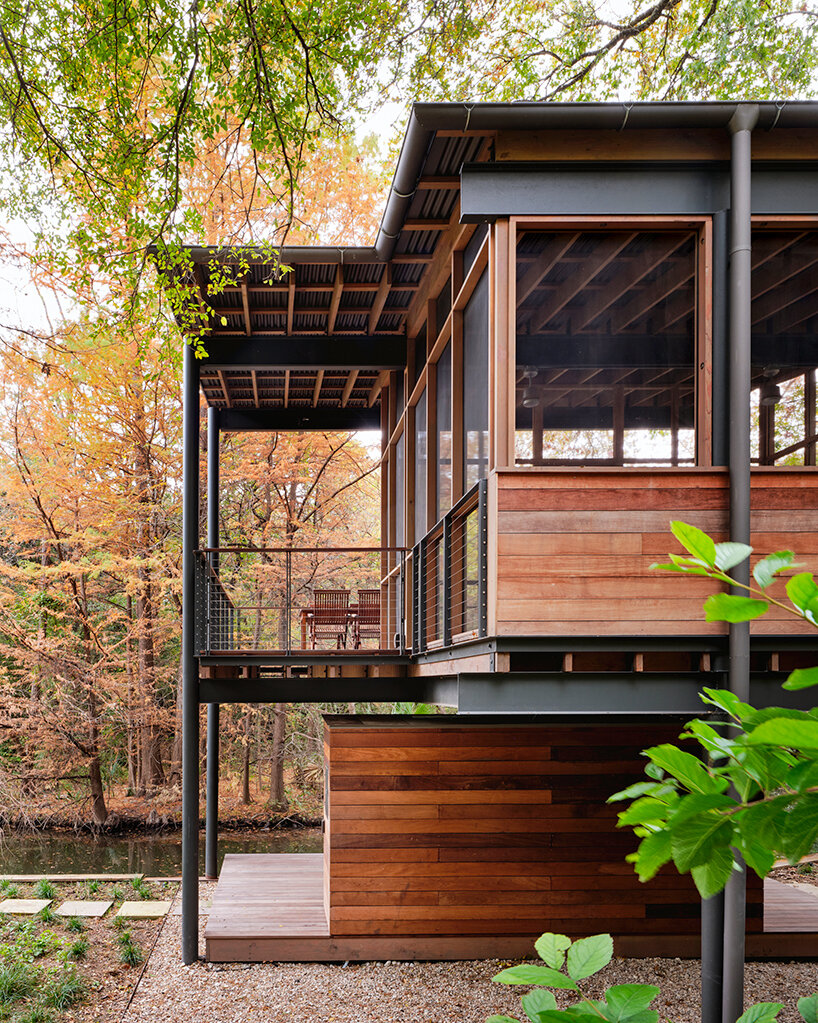
The project is accessed through a limestone grotto or by canoe for a gradual and immersive approach
Prioritizing Minimal Impact
Furman + Keil Architects demonstrate that minimizing a project’s footprint begins with structure. Rather than imposing a new foundation, the team retained and extended the existing piers, forming the bones of a wood-framed superstructure. The materials had to be carried in by barge, heightening the importance of each component. Light wood cladding and open detailing allow the structure to blend into its surroundings,evoking a treehouse more than a traditional outbuilding.
Pro Tip: consider the existing landscape when planning any construction project. Reusing existing structures and minimizing ground disturbance can substantially reduce environmental impact.
Construction is embraced as an act of negotiation with the site. The long stair leading down to the bluff offered no real access, and the barge route necessitated careful logistics. The design responds to these limitations with clarity rather of compromise. By limiting conditioned space,simplifying geometry,and lifting the program off the ground,the result is a project that feels born of the terrain rather than imposed on it.
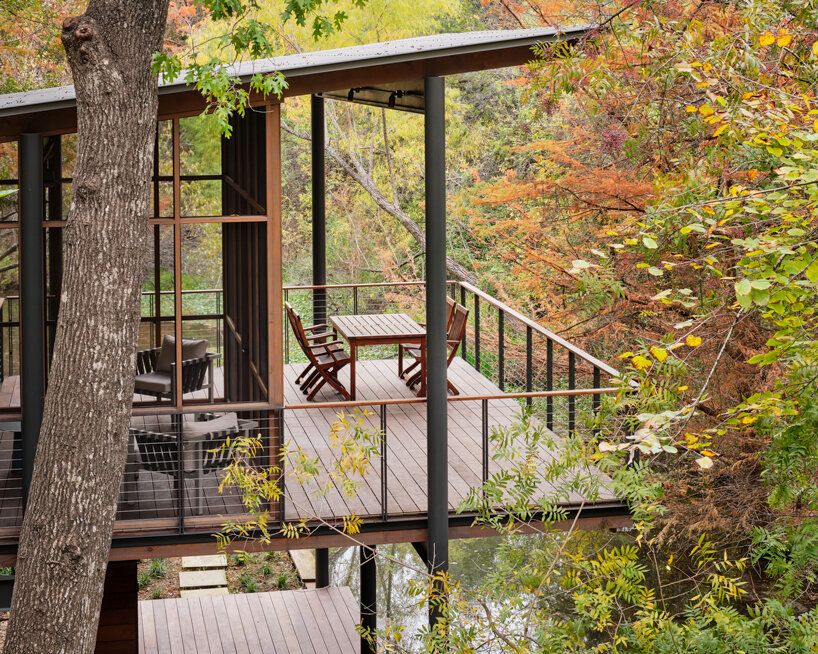
The structure is elevated on existing steel piers to protect the wetland habitat
The spirit of the project is quiet occupation. It frames the wetlands with care, offering just enough shelter to extend daily life into a more elemental setting.There is no sense of spectacle here, only the slow rhythms of light, wind, and water, and a structure that listens to them all.
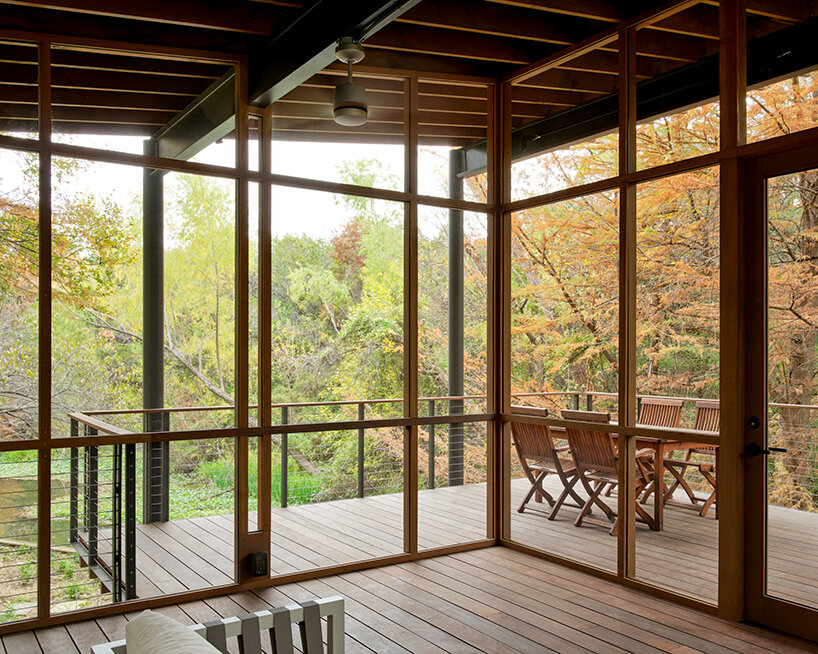
A screened porch and lower platform allow for birdwatching and boat access
Quotes from the Architects
The architects at Furman + Keil emphasized the importance of minimal intervention and resilience in their design. Their approach ensured that the structure not only coexists harmoniously with its surroundings but also enhances the natural beauty of the site.
Frequently Asked Questions
What is the size of Roost?
Roost is a 928-square-foot structure.
How is Roost accessed?
It can be accessed either by a narrow stairwell or by paddling along the water.
What materials were used in the construction of Roost?
The structure is primarily made of timber and steel, with light wood cladding.
How does Roost address the risk of flooding?
By re-using the previous steel piers and elevating the new platform, the architects created a resilient envelope that can withstand rising water.
