
Hungarian humorist Péter Aranyosi Faces Backlash Over Offensive Jokes
Table of Contents
Péter Aranyosi, a Hungarian humorist and recipient of the Karinthy Ring, is facing widespread criticism after several of his jokes were deemed offensive and discriminatory. The controversial remarks, made during various public appearances, have sparked outrage and condemnation from organizations and individuals alike.The jokes targeted groups including Holocaust survivors and the Roma community, prompting discussions about the boundaries of comedy and the responsibility of performers.As of June 2024, the controversy continues to unfold, with many calling for accountability.
Details of the Offensive Remarks
Aranyosi’s controversial statements surfaced from multiple sources. In a podcast discussion, he joked about how to laugh at “Auschwitz escaped Jewish aunts,” a statement that drew immediate condemnation. The United States Holocaust Memorial Museum notes that trivializing the Holocaust is deeply offensive to survivors and their families.
Further fueling the controversy, Aranyosi made disparaging remarks about the roma community during an interview with Transylvania TV. He described his experience traveling through the Szeklerland region,stating,”A village,a Gypsy,a village,a Gypsy,a village,a Gypsy,a horse-drawn carriage… so you can really be mad that there is no highway.”
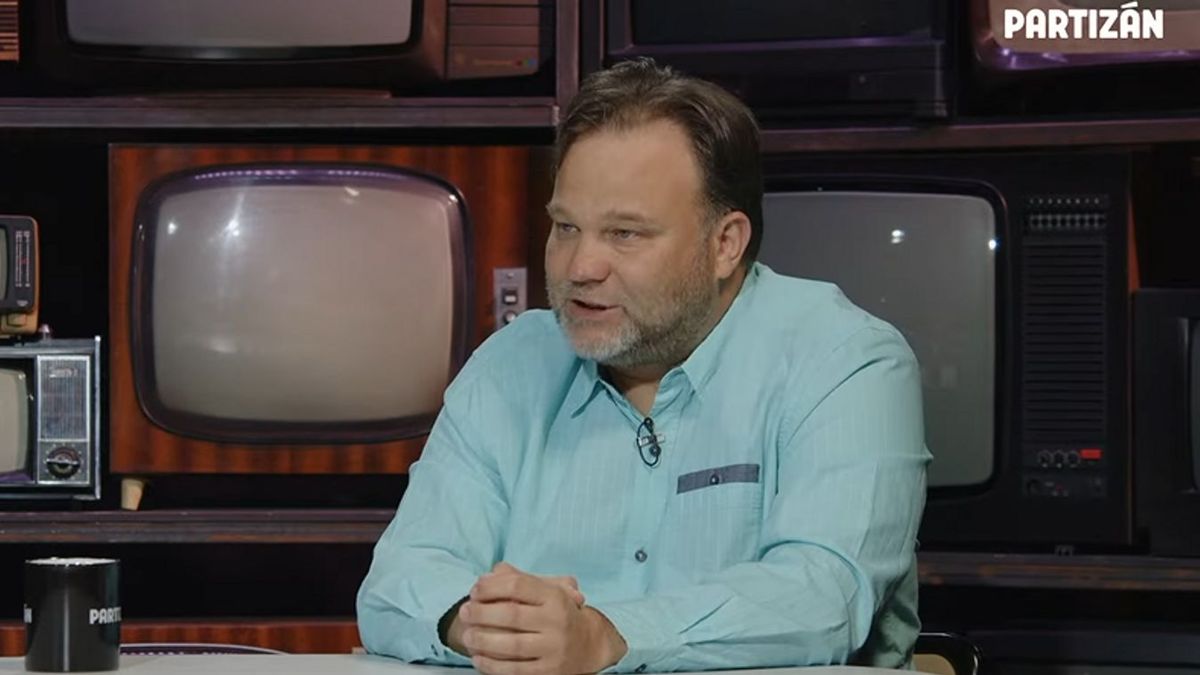
In late May, during an interview with Partizán, Aranyosi recalled a cinema experience in Miskolc, saying that in his youth, it was impossible to sit in the frist three rows because “the man occupied from the Dakotas there became lice.”
Did You Know? The karinthy Ring is a prestigious Hungarian award given to recognize outstanding achievements in humor and satire.
Organizations Condemn the Remarks
The Deed and Defense Foundation (TEV) is among the organizations that have publicly criticized Aranyosi’s jokes.TEV, dedicated to combating antisemitism and promoting tolerance, released a statement condemning the remarks as tasteless and harmful.The Anti-Defamation League (ADL) also emphasizes the importance of speaking out against hate speech and discriminatory language.
The backlash highlights the ongoing debate about the role of humor in addressing sensitive topics. While some argue that comedy should be free from censorship, others maintain that jokes that perpetuate harmful stereotypes or trivialize suffering are unacceptable.
The Broader Context of Humor and Offense
The controversy surrounding Péter Aranyosi’s jokes reflects a broader discussion about the line between humor and offense. In recent years, there has been increasing scrutiny of comedians and public figures who make jokes that are perceived as discriminatory or insensitive. According to a 2023 Pew Research Center study, 62% of Americans believe that comedians should be mindful of the potential impact of their jokes on different groups.
Pro Tip: When discussing sensitive topics, it’s crucial to consider the potential impact of your words on marginalized communities. Using inclusive language and avoiding stereotypes can help prevent unintentional harm.
the incident also raises questions about cultural differences in humor. what is considered funny in one culture may be deeply offensive in another. Understanding these nuances is essential for promoting cross-cultural understanding and avoiding misunderstandings.
Timeline of events
| Date | Event |
|---|---|
| Late May 2024 | Aranyosi makes disparaging remarks about Roma people in an interview with Transylvania TV. |
| Late May 2024 | Aranyosi recalls a cinema experience in Miskolc, making offensive comments about “Dakotas.” |
| June 2024 | Aranyosi’s “Auschwitz escaped jewish aunts” joke surfaces from a podcast discussion. |
| June 2024 | The Deed and Defense Foundation (TEV) and other organizations condemn Aranyosi’s remarks. |
How do you think comedians should balance freedom of expression with the need to avoid causing offense? What role should cultural context play in determining what is considered acceptable humor?
Evergreen Insights: the Evolving Landscape of Comedy
The debate surrounding offensive humor is not new, but it has intensified in recent years due to the rise of social media and increased awareness of social justice issues. Comedians are now more likely to face immediate and widespread criticism for jokes that are perceived as harmful. This has led to a shift in the comedy landscape, with many performers becoming more cautious about the topics they address and the language they use.
However, some argue that this increased scrutiny is stifling creativity and preventing comedians from pushing boundaries. They maintain that comedy should be a space for exploring uncomfortable truths and challenging societal norms, even if it means occasionally causing offense. Finding a balance between these competing perspectives remains a challenge for the comedy industry.
Frequently asked Questions About Offensive Humor
- What is considered offensive humor?
- offensive humor typically involves jokes or remarks that are discriminatory, insensitive, or harmful to particular groups or individuals.This can include jokes that perpetuate stereotypes, trivialize suffering, or promote hate speech.
- Why is it significant to avoid offensive humor?
- Avoiding offensive humor is important because it can perpetuate harmful stereotypes, reinforce prejudice, and cause emotional distress to those who are targeted. It also contributes to a culture of disrespect and intolerance.
- How can comedians avoid making offensive jokes?
- comedians can avoid making offensive jokes by being mindful of the potential impact of their words on different groups, using inclusive language, and avoiding stereotypes. they can also seek feedback from diverse audiences to ensure that their jokes are not unintentionally harmful.
- what is the role of context in determining whether a joke is offensive?
- Context plays a significant role in determining whether a joke is offensive. A joke that is acceptable in one context may be deeply offensive in another. Factors such as the audience, the setting, and the intent of the comedian can all influence how a joke is perceived.
- what are the consequences of making offensive jokes?
- The consequences of making offensive jokes can include public criticism, loss of reputation, and damage to one’s career. In certain specific cases, offensive jokes may also lead to legal action.
What are your thoughts on this issue? Share your opinions and join the discussion below. don’t forget to share this article with your friends and followers!
